BREAKING NEWS
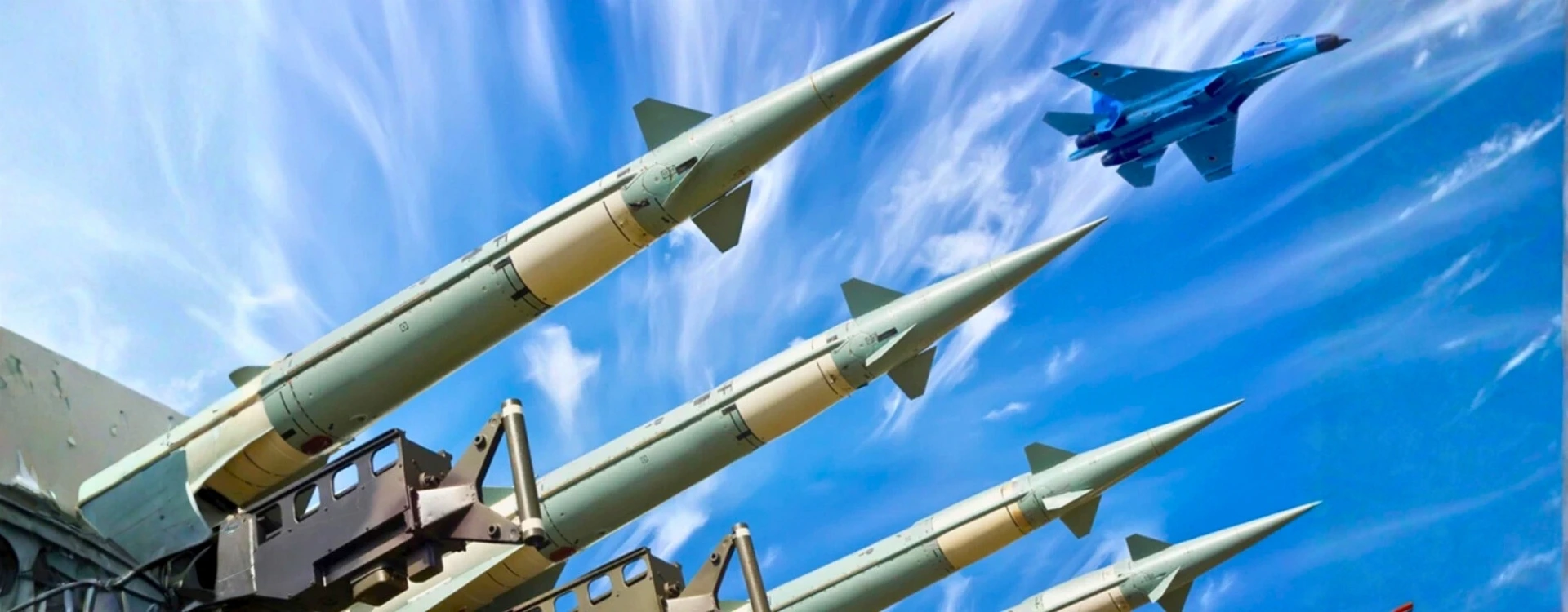
Missile Launch Early Warning Systems are regarded as one of the most critical security layers in modern defense doctrines. These systems detect ballistic or tactical missile launches conducted by hostile actors within seconds, providing decision-makers with vital early warnings. Their primary objective is to identify the type, direction, and timing of a potential attack in advance, enabling civil defense measures to be activated, air defense systems to be engaged, and strategic countermeasures to be planned. Since their initial development during the Cold War, these technologies have evolved into multi-layered early warning networks that integrate space-based sensors with ground-based radar systems.
From a technical perspective, Missile Launch Early Warning Systems are composed of infrared detection satellites, long-range radars, and advanced data analysis software. The heat signature generated during missile engine ignition is detected by orbital sensors and transmitted in real time to command centers. Historical examples include the United States’ SBIRS and the Soviet-era Oko systems. Today, these infrastructures are continuously enhanced with artificial intelligence–supported threat analysis, more sensitive sensors, and faster decision-making mechanisms. Missile launch early warning technologies play a vital role not only in achieving military superiority but also in maintaining deterrence and strategic stability.


The cookies used on our website are used to provide you with a better user experience and to improve our website. You can manage your cookie preferences from the options below.






 Süheyla Yıldız