BREAKING NEWS

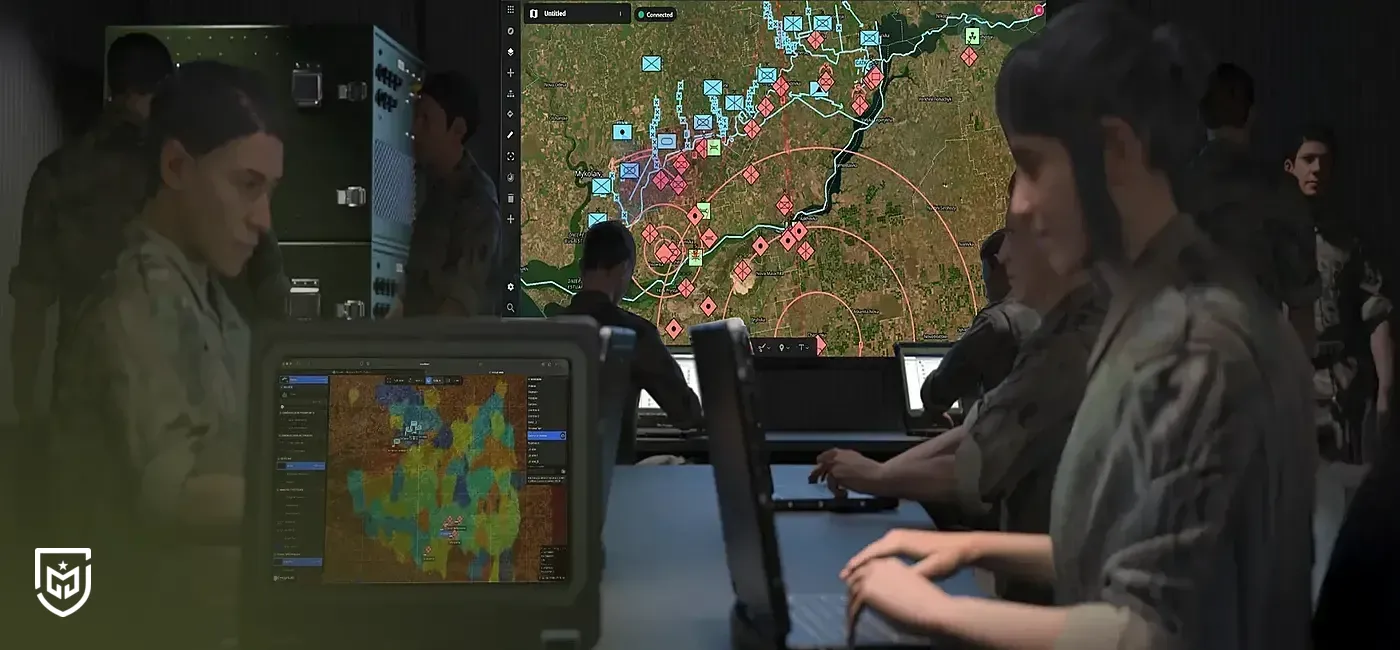
Military artificial intelligence ethical rules have become one of the most critical topics on the global security agenda as advanced warfare technologies rapidly evolve. AI-supported systems are now actively used in target detection, decision-support mechanisms, and autonomous weapons platforms. While these technologies initially provide operational speed and precision, ethical concerns such as human control, responsibility, and legal oversight are becoming increasingly important. For this reason, military artificial intelligence must be addressed not only from a technical perspective but also within a strong moral and legal framework.
From a more technical standpoint, military AI ethical rules are built upon key principles such as human-in-the-loop control, distinction between military and civilian targets, proportionality, and accountability. Autonomous systems should not be allowed to make lethal decisions entirely on their own, and ultimate responsibility must always rest with human commanders. Preventing algorithmic bias, ensuring data security, and protecting civilian populations are also core elements of the ethical framework. Today, many countries and military alliances are working to integrate these principles into their defense doctrines. Ongoing efforts within NATO clearly demonstrate the necessity of developing military artificial intelligence within defined ethical boundaries. In the future, these rules are expected to become one of the main criteria determining the legitimacy and acceptance of AI-driven warfare systems.


The cookies used on our website are used to provide you with a better user experience and to improve our website. You can manage your cookie preferences from the options below.






 Rabia Kılıç