BREAKING NEWS
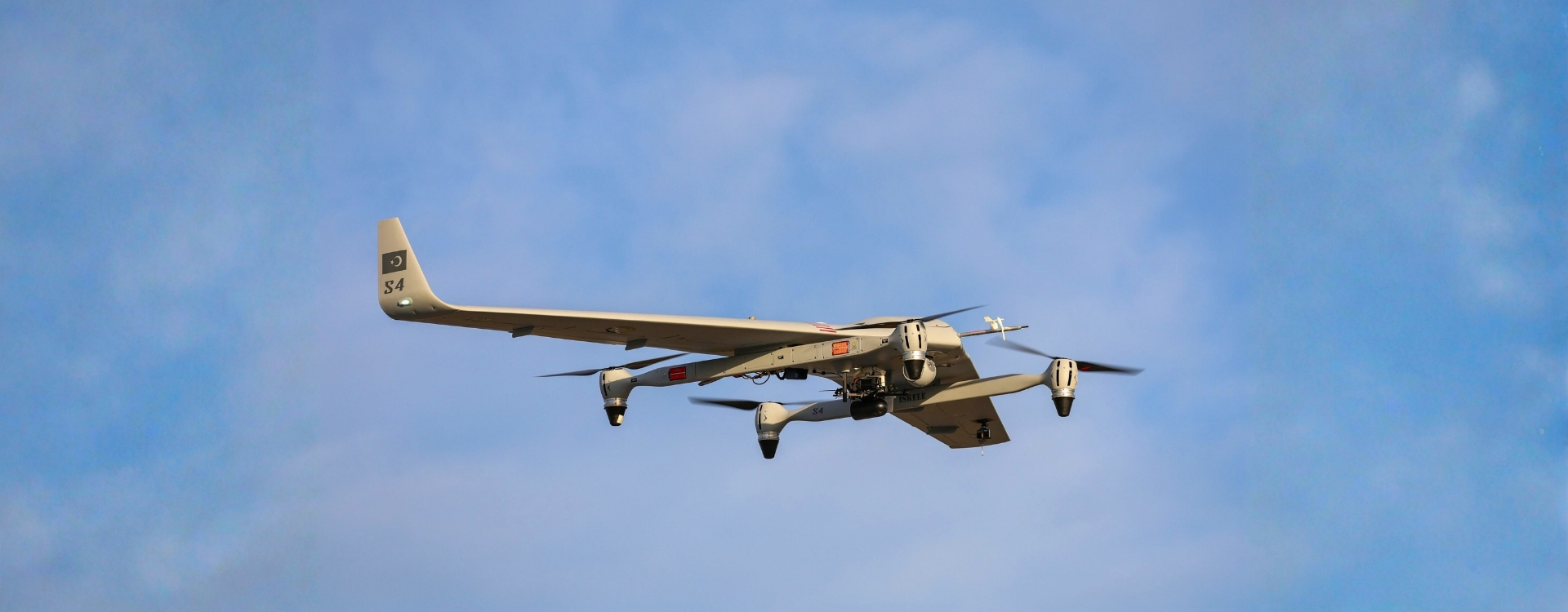
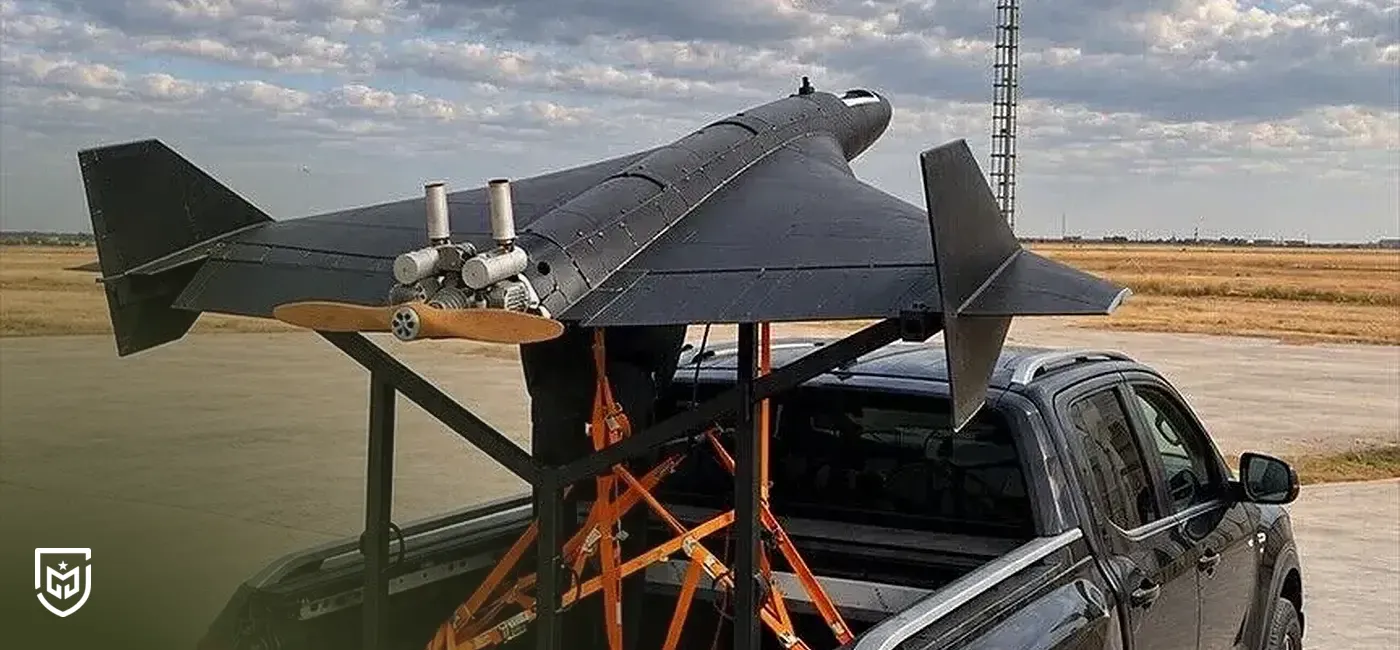
Low RCS (Low Radar Cross Section) UAV design refers to a low-observable approach aimed at reducing the probability of detection by radar systems. The objective is not to make an unmanned aerial vehicle completely invisible, but to decrease the radar energy reflected back to the source, thereby shortening detection range and complicating tracking and identification. Due to the direct connection of this subject with defense and security technologies, the topic is best addressed at a conceptual and architectural level, without sharing actionable design steps, dimensions, or production methods.
From a technical perspective, RCS is shaped by several interrelated factors, most notably geometry and shaping, surface material behavior, gaps, joints, and sharp reflective features, scattering caused by antennas and conductive components, and the operational profile of the UAV such as altitude, orientation, speed, and payload configuration. Low-observable philosophy generally focuses on redirecting incoming radar waves away from the source rather than reflecting them directly back, which is why surface transitions, edge alignment, and external protrusions can have a disproportionate effect on radar visibility. However, even a UAV optimized for low RCS can still be detected through other signatures such as thermal emissions, acoustic noise, communication signals, optical visibility, and flight behavior. For this reason, low RCS should be viewed not as a standalone solution, but as one component of a broader signature management strategy. A sound development roadmap begins with clearly defined requirements—such as relevant radar bands, angular coverage, and mission profiles—followed by consistent validation approaches and careful consideration of manufacturability, maintenance, and long-term surface integrity from the earliest design stages.


The cookies used on our website are used to provide you with a better user experience and to improve our website. You can manage your cookie preferences from the options below.



 Süheyla Yıldız