BREAKING NEWS
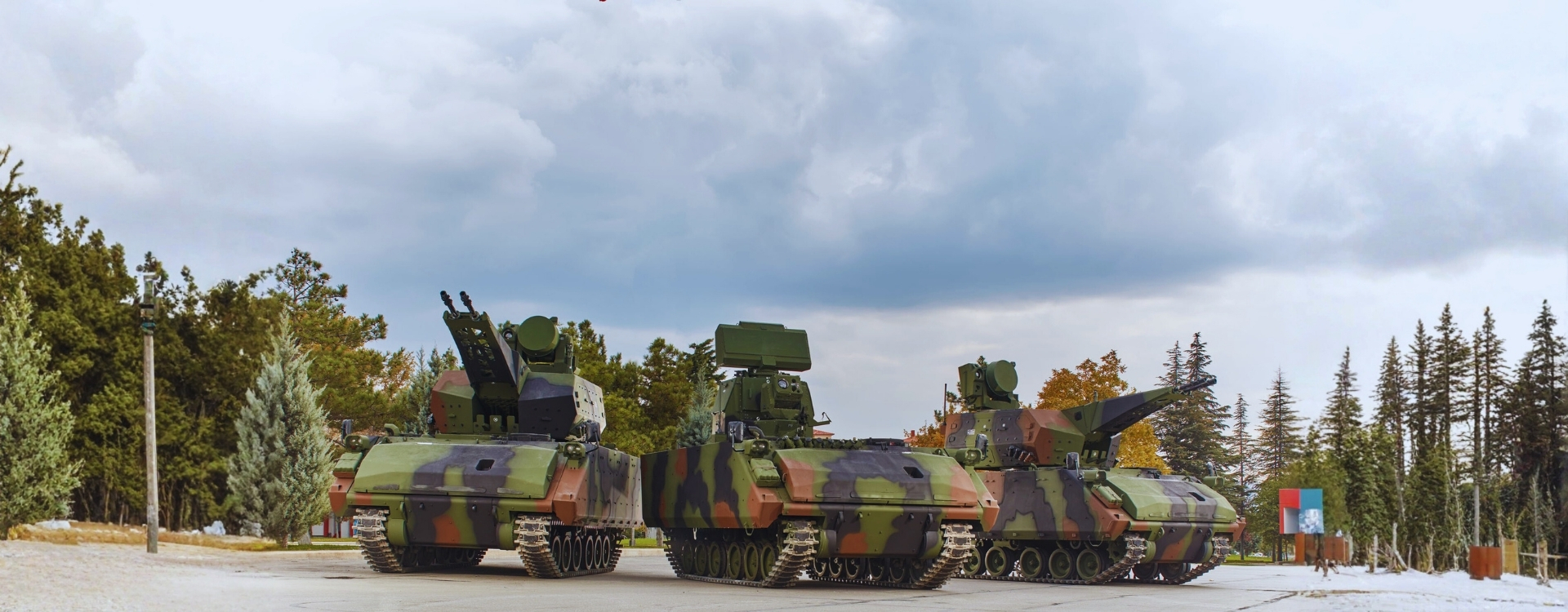
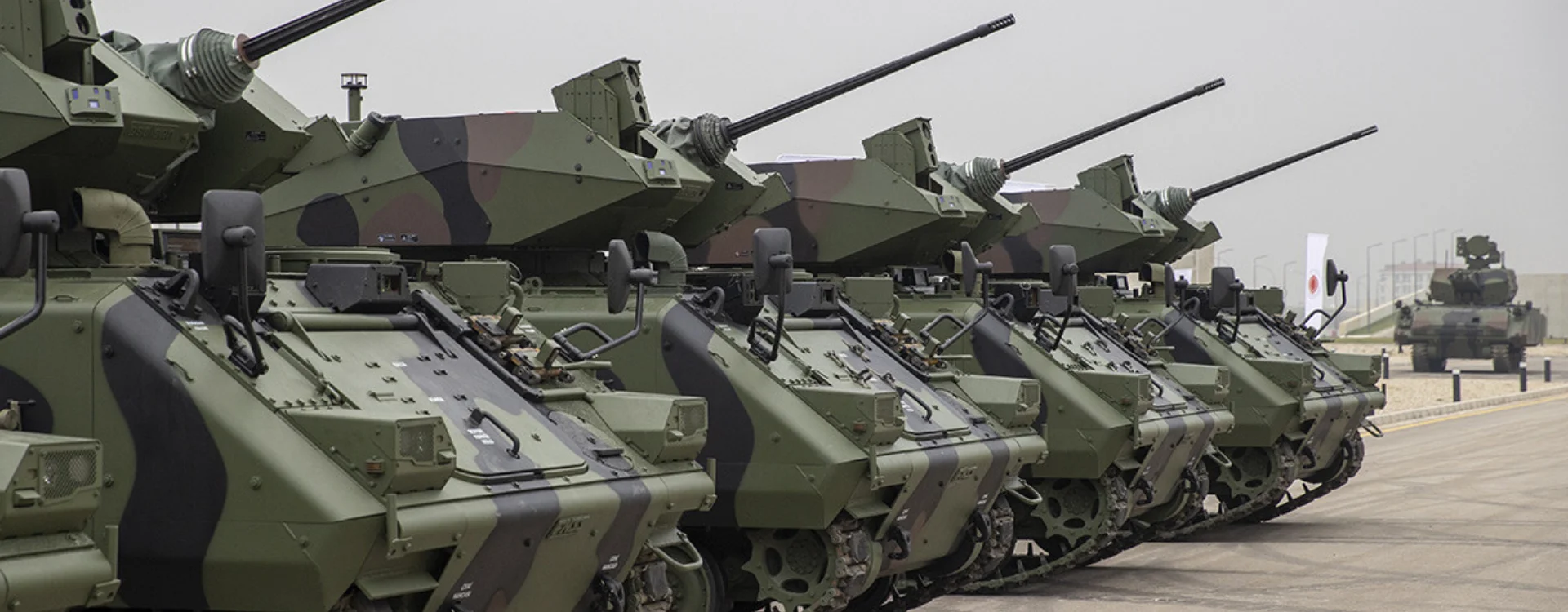
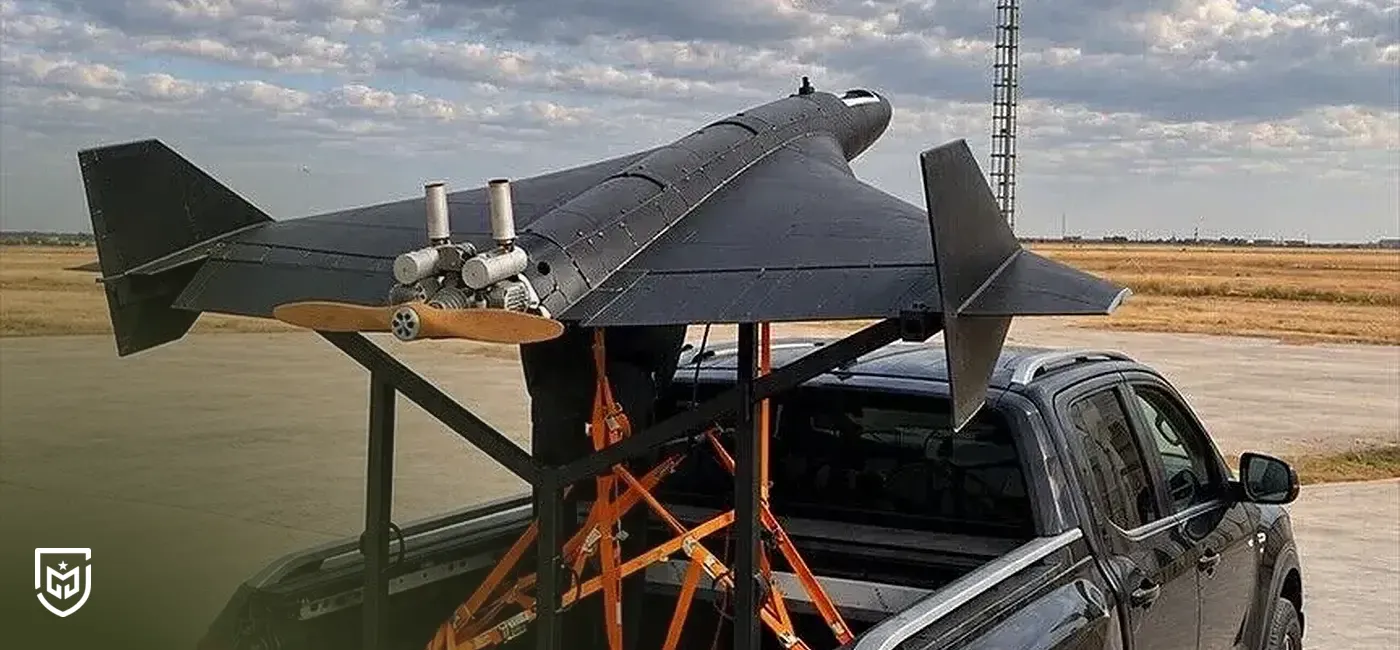
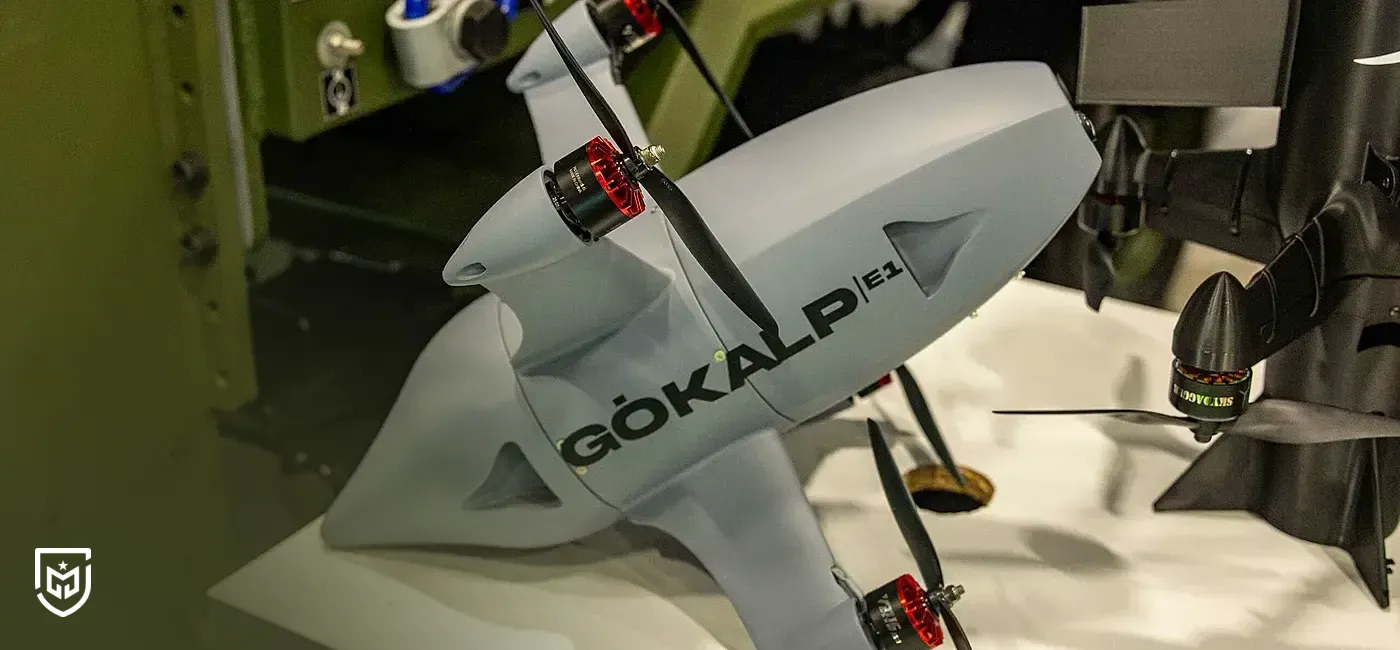
Low-altitude air defense threats have become one of the fastest-growing risk areas in today’s modern warfare and security environment. These threats typically operate at low altitudes, making them difficult to detect by conventional radar systems, while remaining relatively low-cost and highly effective. In particular, unmanned aerial vehicles (UAVs), mini drones, and low-flying cruise missiles pose serious risks to military bases, critical infrastructure, and strategic facilities. By exploiting gaps in traditional air defense coverage, these systems create a strong element of surprise and significantly challenge response times.
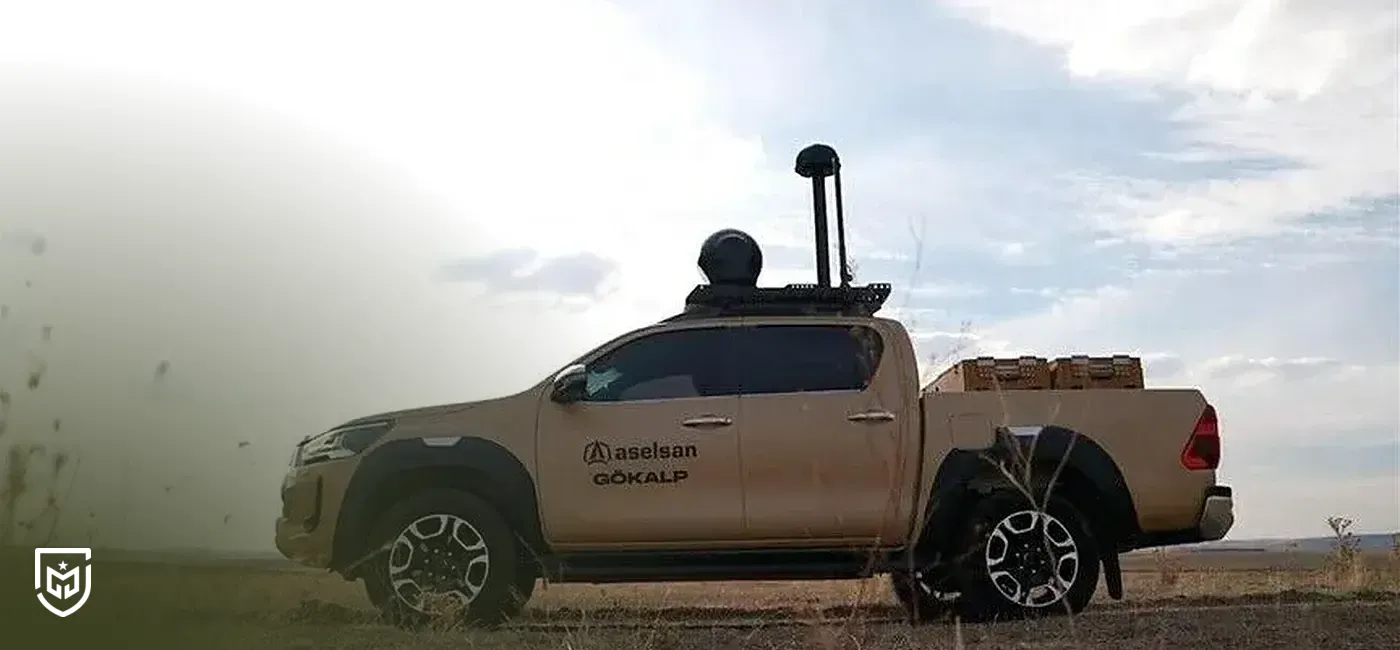
From a technical perspective, the main advantage of low-altitude threats lies in their ability to use terrain masking and operate within radar blind zones. Advanced electronic warfare capabilities, signal jamming, and autonomous flight technologies further increase the complexity of detecting and neutralizing these threats. As a result, modern armed forces are increasingly investing in short-range air defense systems, rapid-response radar networks, and artificial intelligence-supported command and control structures. Low-altitude air defense is no longer solely a military concern; it has become a strategic necessity for protecting energy facilities, airports, borders, and urban areas.


The cookies used on our website are used to provide you with a better user experience and to improve our website. You can manage your cookie preferences from the options below.



 Süheyla Yıldız