BREAKING NEWS
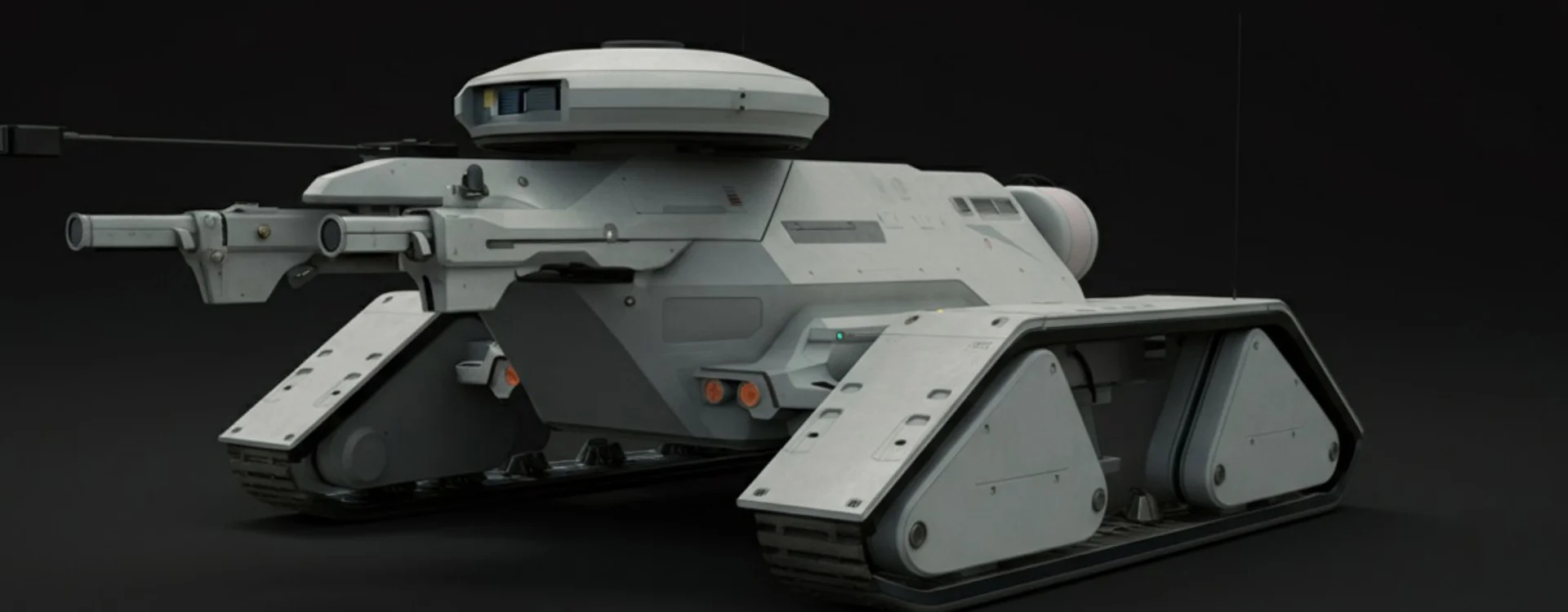
Law of war and autonomous weapons have become one of the most critical discussion areas in international security policy with the rapid development of modern defense technologies. Today, AI-supported systems play an active role in many military processes such as target detection, threat analysis, and operational planning, while autonomous weapon systems capable of acting without direct human intervention raise new legal and ethical questions. In particular, fundamental principles such as international humanitarian law, protection of civilians, proportional use of force, and maintaining human control are highly important in the use of autonomous weapon technologies. Leaving battlefield decisions entirely to algorithms may create serious risks such as incorrect target selection, loss of control, and unclear responsibility.
From the perspective of the law of war, autonomous weapon systems create a growing need for new regulations on accountability, oversight mechanisms, and human responsibility. International discussions held within the United Nations emphasize that systems capable of making lethal decisions without meaningful human control should be limited or strictly regulated. Although the use of artificial intelligence in modern defense technologies provides operational advantages, systems used without legal supervision and ethical frameworks may pose risks to global security. For this reason, many countries support the “human-in-the-loop” approach, requiring human approval in critical attack decisions. As autonomous weapon technologies are expected to become more widespread in the future, the importance of international norms that preserve the balance between the law of war and technology continues to increase.


The cookies used on our website are used to provide you with a better user experience and to improve our website. You can manage your cookie preferences from the options below.




 Süheyla Yıldız