


Air Forces News
Global Developments


BREAKING NEWS
The crises experienced in Europe’s joint defense industry projects in recent years have once again brought the continent’s need for next-generation air power to the agenda. The Russia-Ukraine War, rising tensions in the Middle East and increasingly frequent major-war scenarios are forcing European countries, which long prioritized prosperity-focused policies, to rapidly strengthen their defense capabilities. However, delays and cancellations in some joint projects worth billions of euros have made Europe’s search for short- and medium-term solutions even more critical.
Following the problems in the next-generation fighter aircraft program jointly pursued by Germany and France, the lack of expected progress in Germany’s large-scale warship project for its navy also attracted attention. These developments show that Europe is facing serious structural problems in multinational defense projects, particularly in cost, schedule, authority sharing, strategic control and political coordination. Although Europe’s 6th-generation fighter aircraft goals remain important in the long term, the current security environment reduces the luxury of waiting for many years.
European countries currently operate Eurofighter aircraft, which are generally considered 4.5-generation fighters. In theory, it may be possible for European countries to develop a new joint platform positioned between the 5th and 6th generation from scratch. However, recent disappointments in joint projects, political divisions within the European Union and increasing budget pressure make this option more difficult. Even for countries with the ability to develop a new fighter aircraft individually, qualified workforce, financing, political determination and time management remain major obstacles.
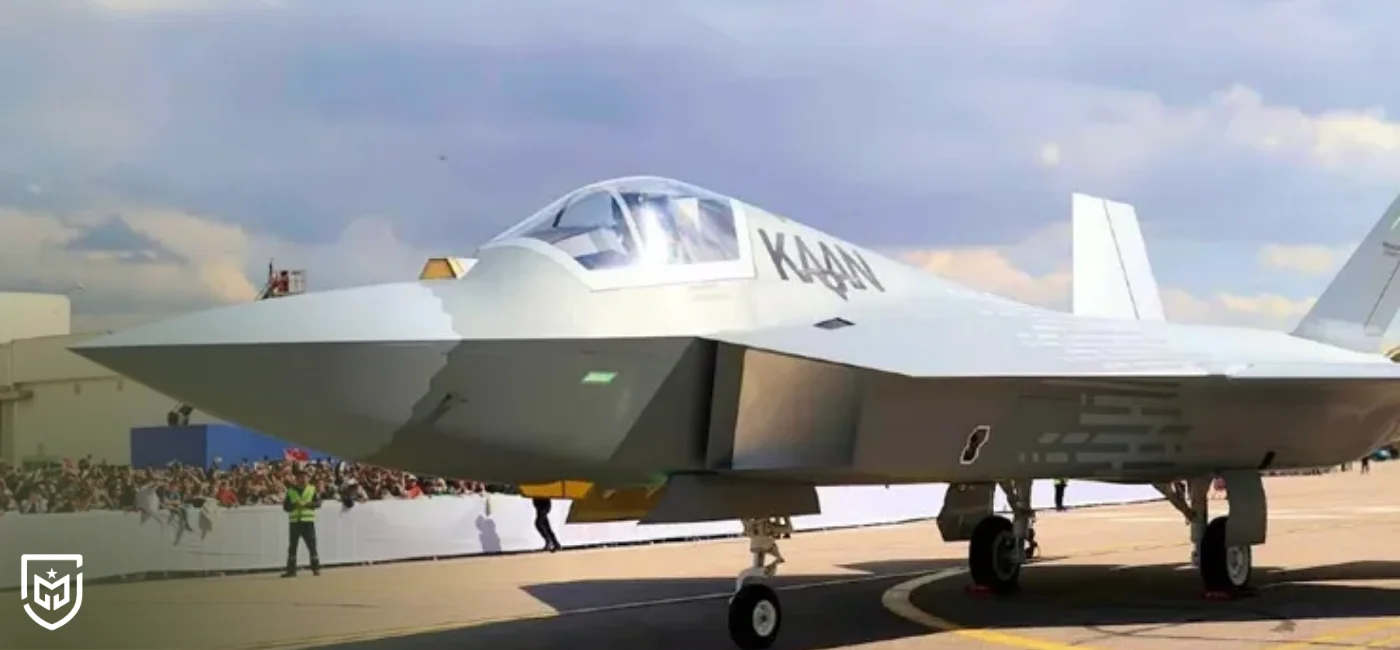
In this context, Türkiye’s National Combat Aircraft KAAN stands out as a notable alternative for NATO countries. The fact that Türkiye, alongside the United States, is among the NATO countries that have brought a 5th-generation fighter aircraft to the skies increases KAAN’s strategic value. Türkiye has developed KAAN with its own engineering capabilities and moved the platform into the flight-test phase, while full operational maturity is expected after 2030. Nevertheless, the fact that KAAN is already a flying next-generation fighter aircraft program makes it a strong candidate in Europe’s search for an interim solution.
Concerns about the F-35 in Europe may also make KAAN more visible. Uncertainties in relations with the United States, high operating costs of the F-35, software update dependencies and debates over operational autonomy are strengthening the search for alternatives in some countries. In this environment, KAAN, developed by a NATO member other than the United States, may offer a different option both politically and technically.
One of KAAN’s most important advantages for European countries could be the flexible integration capability of the Turkish defense industry. Türkiye is developing KAAN in line with its own requirements, but the possibility of adapting the platform to different users’ sensor, radar, mission computer, communication or subsystem demands creates an important opportunity. The model previously discussed for equipping HÜRJET with Spain’s own systems shows that a similar approach could also be applied to KAAN. In this way, NATO or EU member countries could become involved in a more flexible cooperation model that includes their own subsystems, rather than simply purchasing a ready-made platform.
As a result, the problems experienced in Europe’s joint defense projects are turning KAAN from Türkiye’s national fighter aircraft program into a strategic platform closely watched on NATO’s agenda. KAAN may be one of the topics discussed by leaders at the NATO Summit to be held in Ankara. When Türkiye’s achievement in developing a 5th-generation fighter aircraft, its flexible defense industry ecosystem and Europe’s need for short-term solutions are considered together, KAAN can be expected to become a more visible option for NATO countries in the coming period.


The cookies used on our website are used to provide you with a better user experience and to improve our website. You can manage your cookie preferences from the options below.
 Süheyla Yıldız
Post Comment
Comments
No comments yet.
Related News
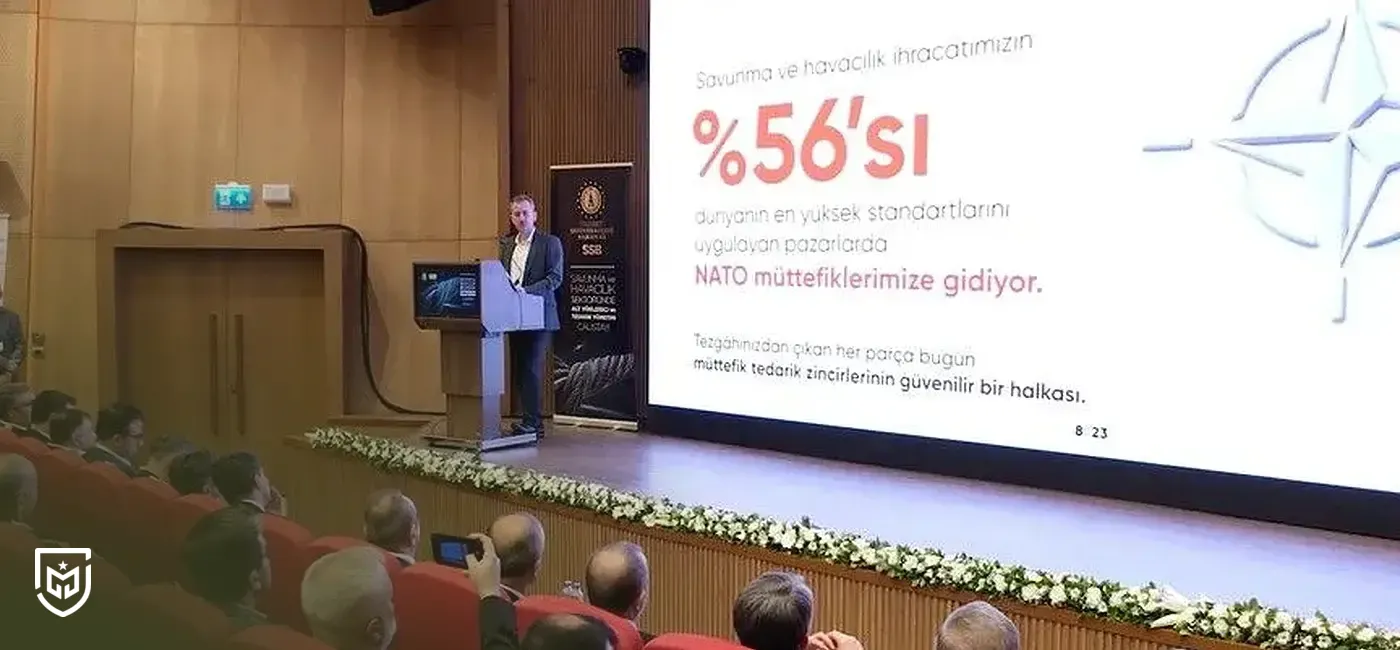
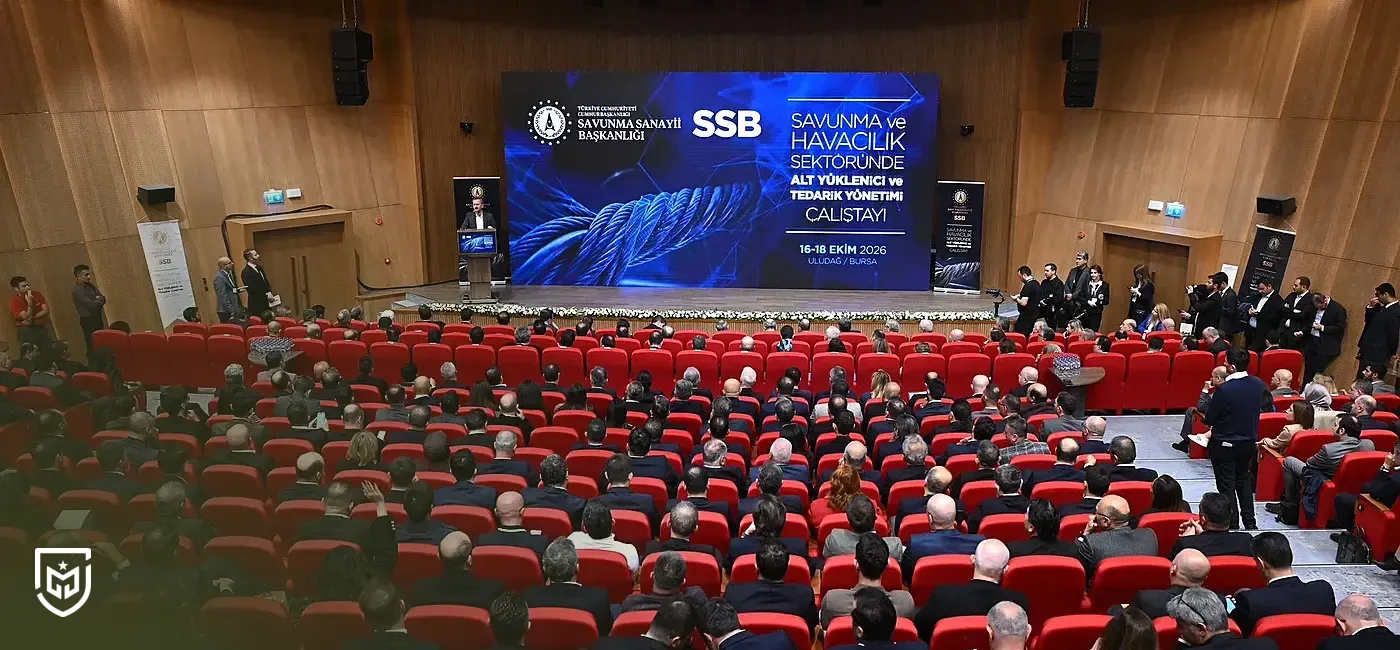
SSB Sector Meeting: Focus on Supply Chain and Production Capabilities
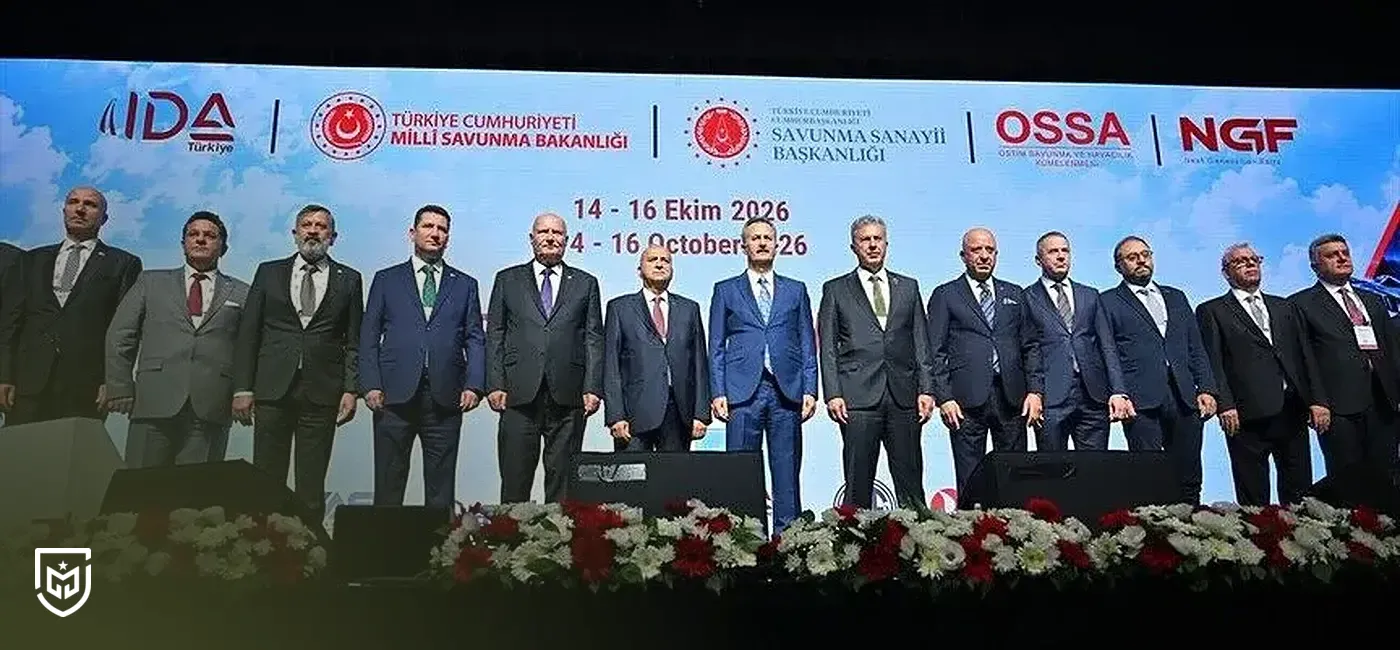
Turkish defense industry signed 15 billion dollars in new contracts in 2026
SSB Hosts Second Supply Chain Strengthening Summit
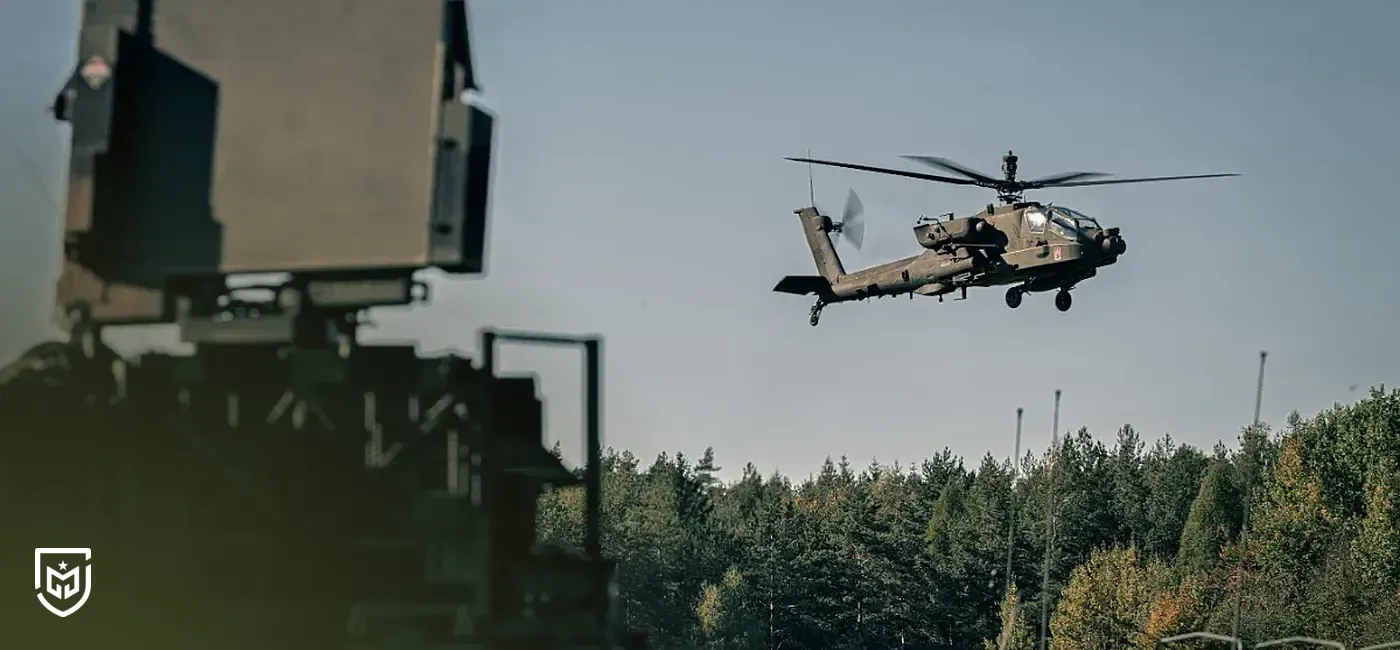
Skyfall II Exercise: U.S. Army Demonstrates UAV Defense Capabilities in Germany
SSB Chief: Transparent Licensing Will Strengthen Defense Cooperation
STM's Swarm UAV System Demonstrates Operational Success at Ateş Serbest-2026
TUSAŞ Kamikaze UAV Systems Achieve Success in Exercise Ateş Serbest-2026
Fire Free-2026 Exercise Successfully Completed