BREAKING NEWS
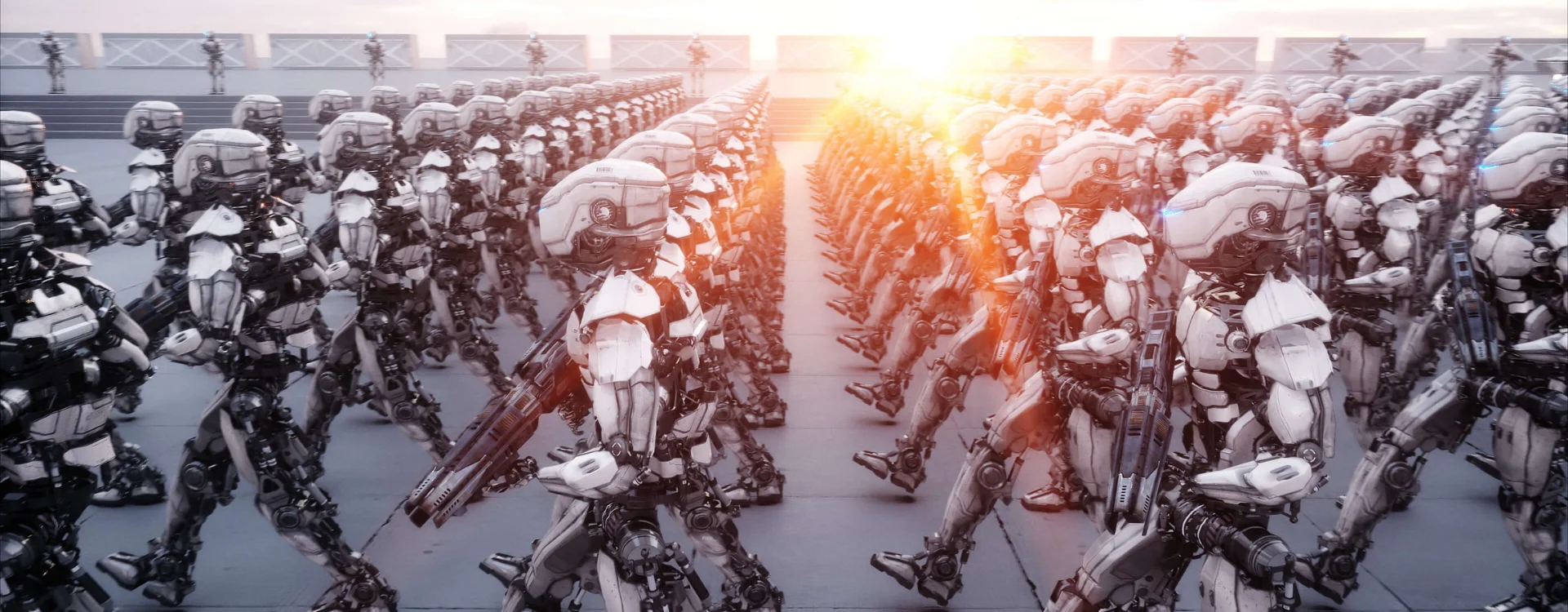
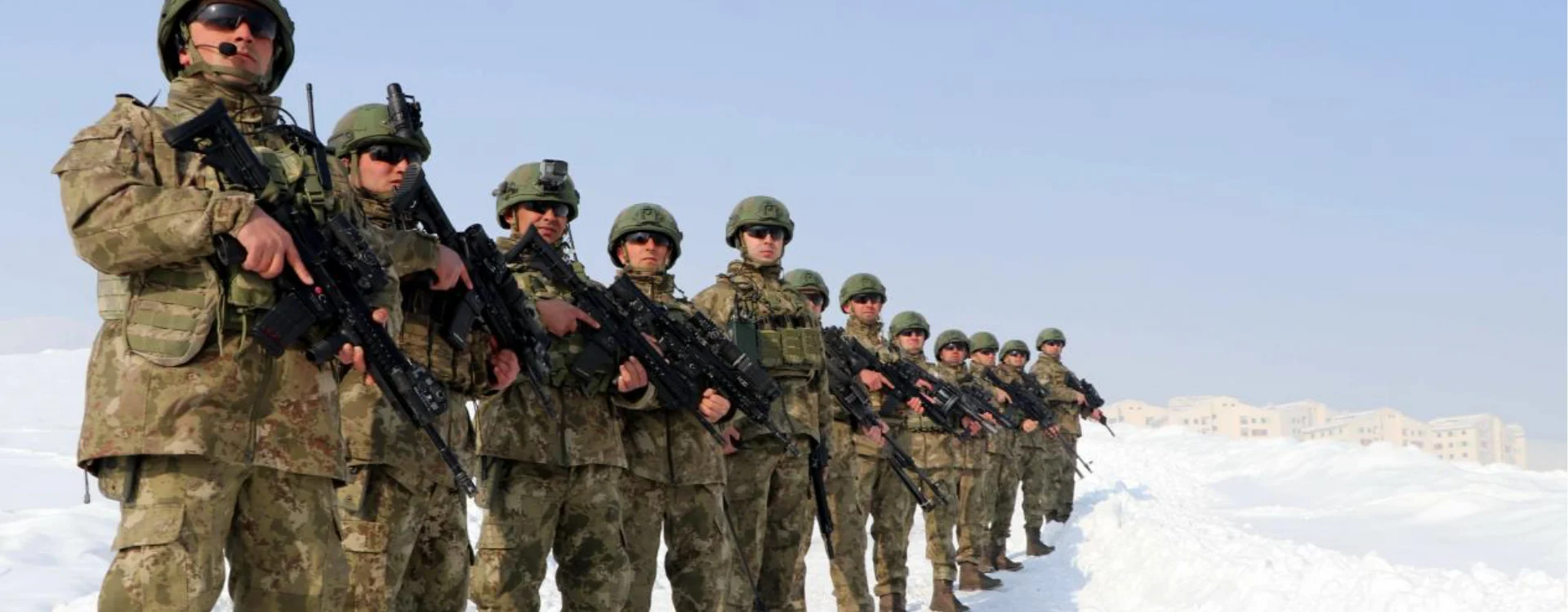
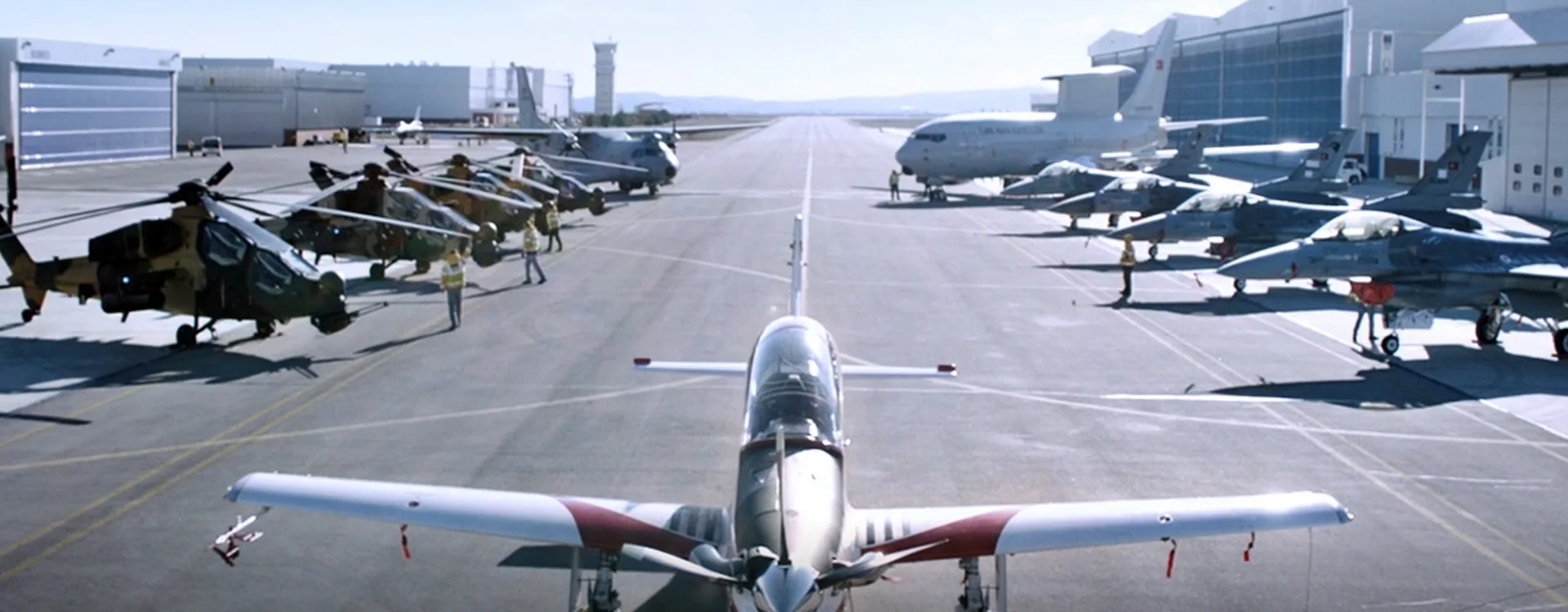
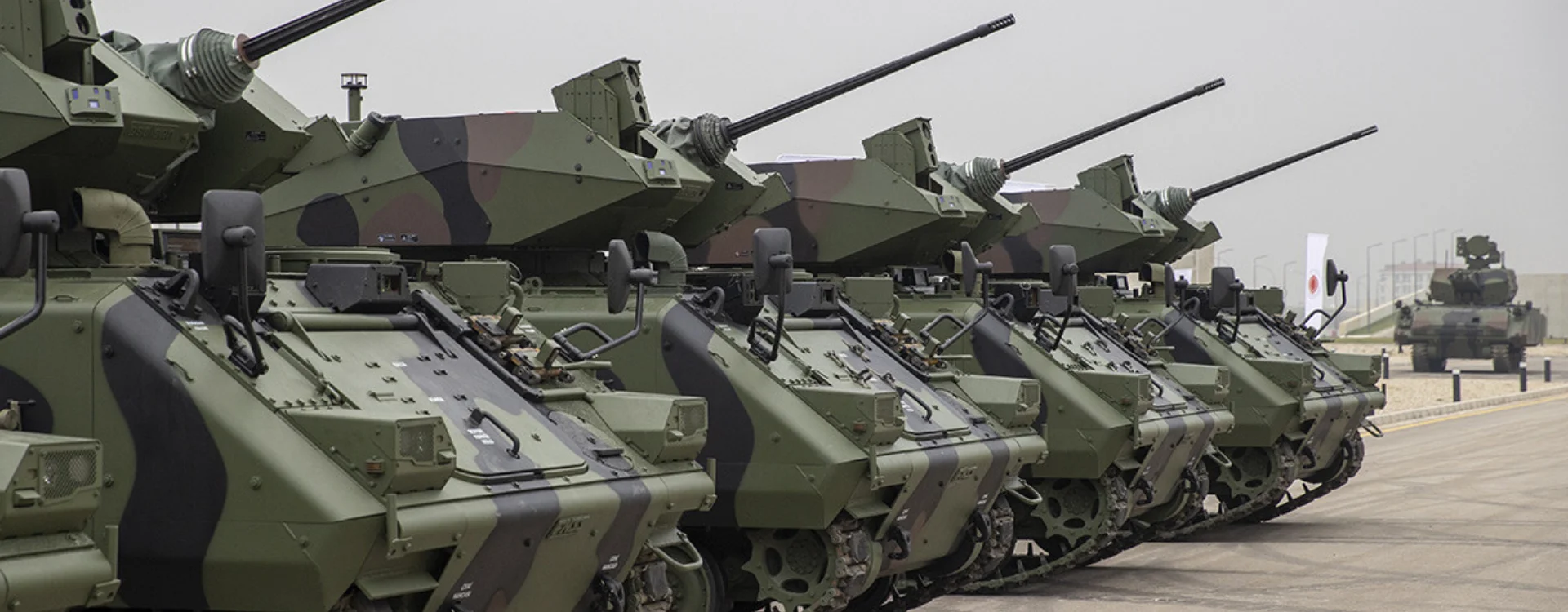
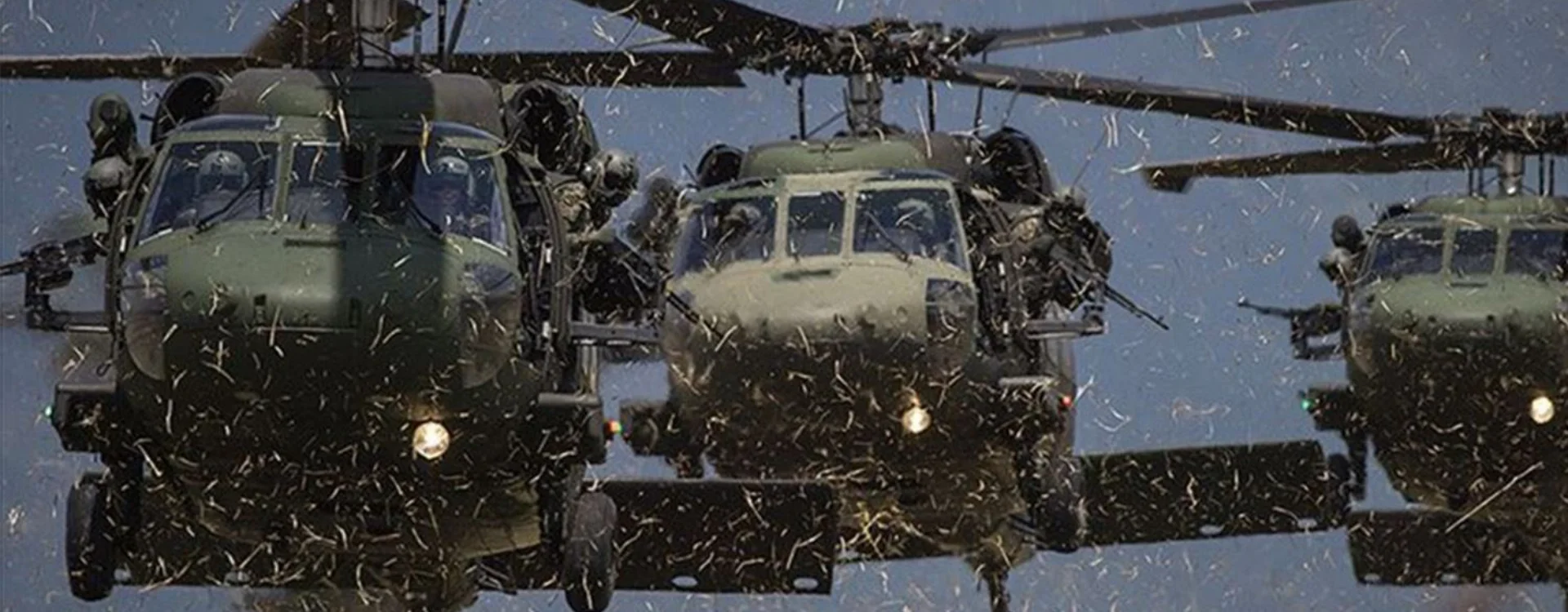
Future wars will move beyond traditional conflicts where soldiers face each other directly on the battlefield. They will increasingly be shaped by artificial intelligence, unmanned systems, cyberattacks, electronic warfare, space technologies and robotic platforms. As the speed of war increases, decision-making processes will become heavily dependent on digital systems. A country’s military power will no longer be measured only by the number of tanks, aircraft or soldiers it has, but also by its data processing capacity, satellite network, air defense systems, drone technology and cyber defense strength. In future wars, the strongest side will not simply be the one with the most weapons, but the one that can collect, analyze and use information in the fastest and most effective way.
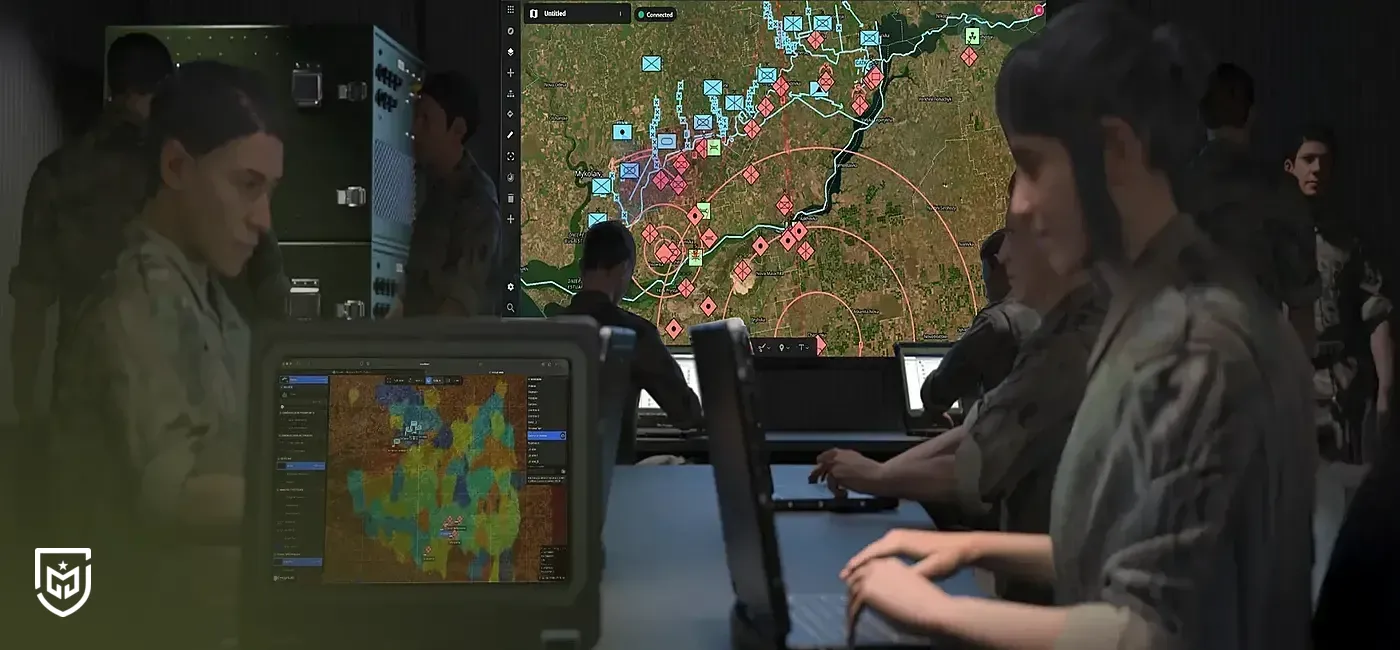
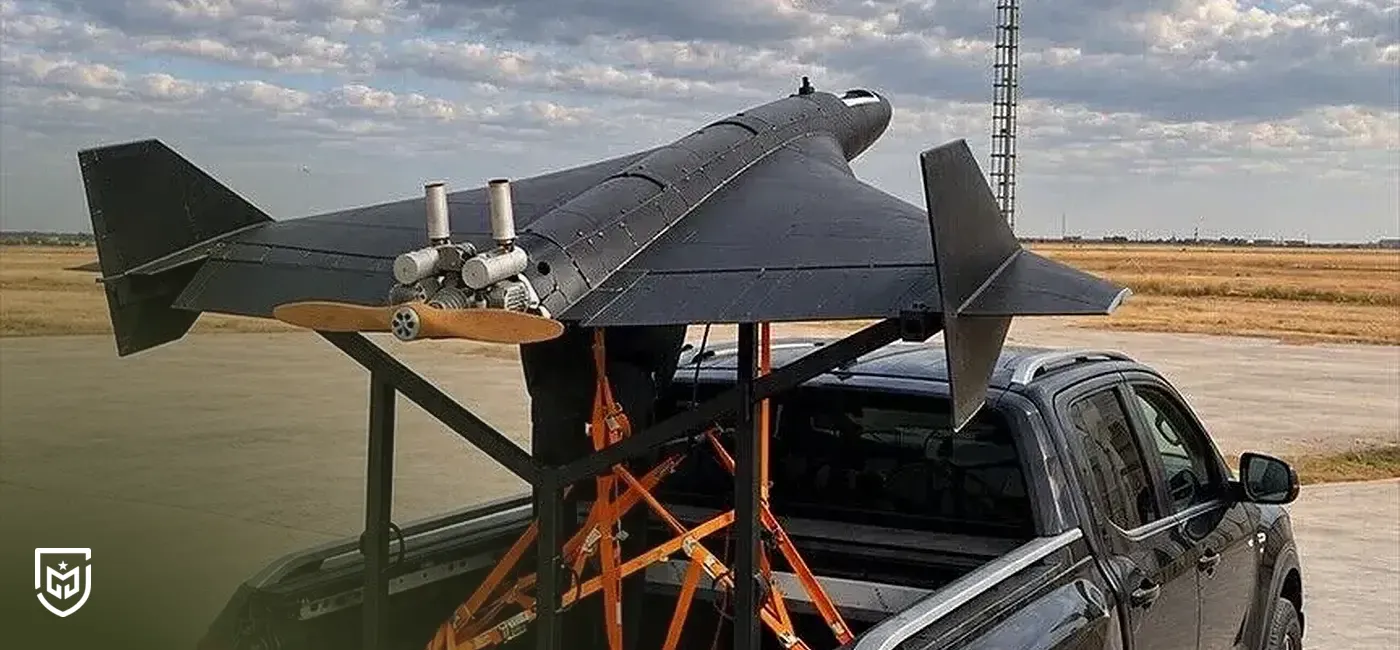
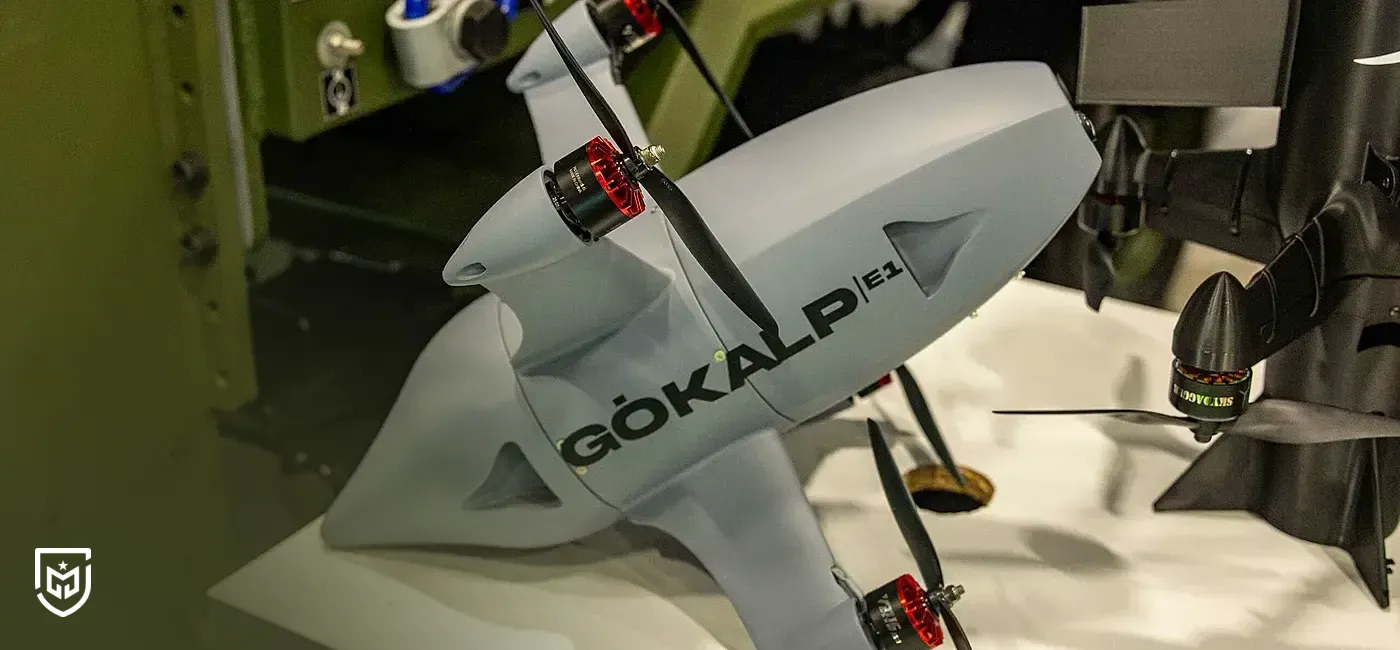
From a technical perspective, future wars will largely have a hybrid structure. UAVs, UCAVs, autonomous ground vehicles, naval drones and AI-supported command systems will operate at the same time. Cyberattacks will target enemy energy infrastructure, communication networks and military data centers, while electronic warfare systems will be used to disrupt radars, GPS connections and communication channels. Space-based satellites will provide target detection and real-time intelligence, while laser defense systems and advanced missile shields will protect critical regions. In the future, the human factor will not disappear completely from the battlefield, but soldiers will take on more roles in remote control, strategic decision-making and managing high-technology systems. In this new era, wars will be faster, more digital, more complex and far more technology-driven.


The cookies used on our website are used to provide you with a better user experience and to improve our website. You can manage your cookie preferences from the options below.




 Süheyla Yıldız