BREAKING NEWS
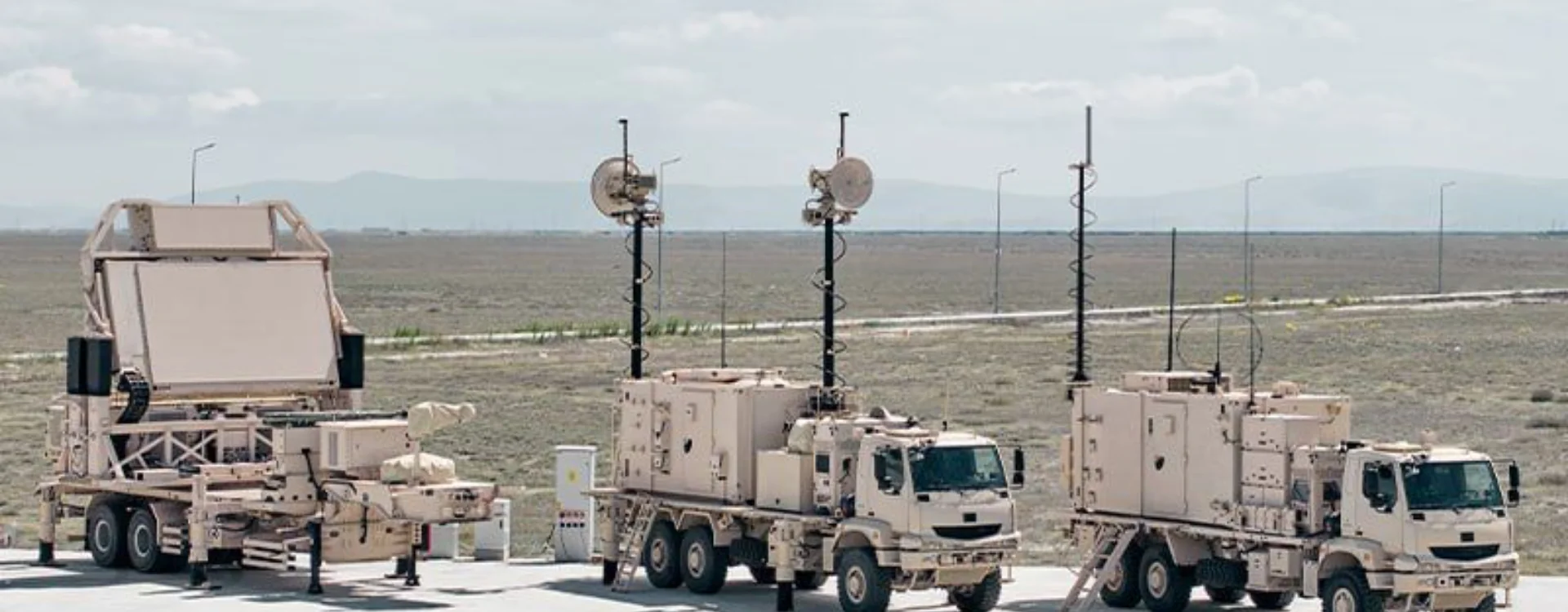
Missile defense systems are considered one of the most critical elements of modern warfare technology. Today, ballistic missiles, cruise missiles, hypersonic weapons and kamikaze drones pose major threats, while countries develop advanced air defense networks to neutralize these dangers. The main purpose of missile defense systems is to detect, track and destroy an incoming threat before it reaches its target. Thanks to these systems, cities, military bases, energy facilities and strategic regions can be protected.
Modern missile defense systems generally consist of radar networks, command-and-control centers, early warning systems and interceptor missile platforms. In the first stage, advanced radar technologies come into operation. Long-range radars continuously scan the airspace to detect incoming missile threats. These radars analyze the target’s speed, direction, altitude and estimated impact point, then transmit the data to the defense center. This process takes place within seconds.
The detected threat is then analyzed by command-and-control systems. AI-supported defense software identifies the type of threat and calculates the most suitable response method. Once the system confirms that the threat is real, interceptor missile systems are activated. At this stage, the defense system launches a counter-missile to destroy the enemy missile in the air.
Interceptor missiles used in missile defense systems move at extremely high speeds. As they approach the target, they are guided by radar, infrared sensors and advanced tracking systems. Some systems destroy the target through direct impact, while others neutralize the threat by exploding nearby and using fragmentation effects. In modern air defense technology, even milliseconds can be highly important.
Ballistic missile defense systems are designed against long-range threats moving at high altitude. Some of these systems have the capability to intercept threats even outside the atmosphere. Systems developed against cruise missiles use special radar solutions to track low-altitude targets. In recent years, next-generation defense technologies against hypersonic missiles have also gained major importance.
Layered air defense is one of the most important strategies of modern armies. In these systems, defense platforms with different ranges work together. Long-range systems try to stop the threat at an early stage, while medium- and short-range systems create additional security layers. This reduces the chance of a missile passing through the defense line.
Radar technologies are at the center of missile defense systems. AESA radars can track multiple targets at the same time through electronic scanning technology. Modern radar networks working together with electronic warfare systems are also becoming more resistant to enemy jamming attempts. AI-supported analysis systems significantly increase threat detection speed.
Missile defense systems are important not only in military operations but also for national security. Advanced defense networks have become a key part of security policies, especially for protecting critical infrastructure, securing airspace and creating strategic deterrence. Today, many countries invest billions of dollars in next-generation air defense systems.
In the future, laser defense systems, AI-supported interception networks and autonomous air defense platforms are expected to become more common. As hypersonic threats increase, work continues on faster radar technologies and more advanced tracking systems. For this reason, missile defense systems will remain one of the most strategic areas of modern warfare technology.


The cookies used on our website are used to provide you with a better user experience and to improve our website. You can manage your cookie preferences from the options below.




 Süheyla Yıldız