


Global Developments


BREAKING NEWS
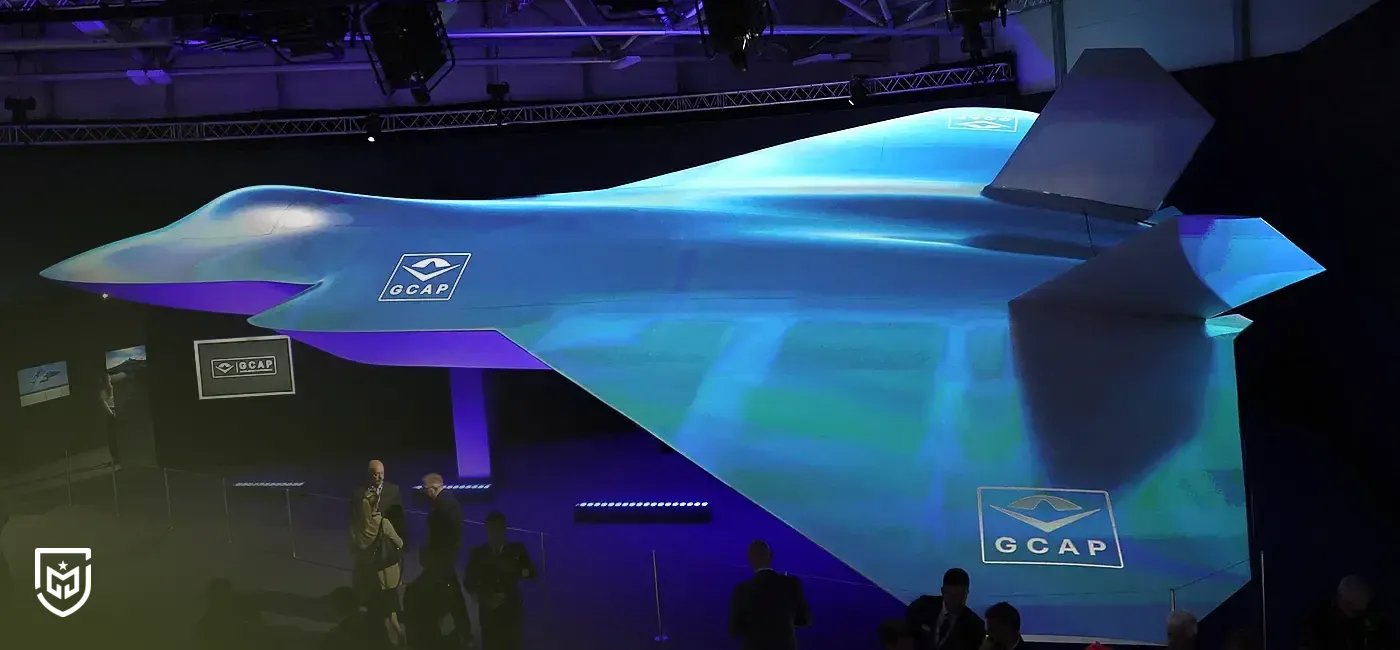
Italy, the United Kingdom, and Japan are opening the Global Combat Air Programme (GCAP) to new partner nations. During remarks at an event in Rome, Italy's Defense Minister Guido Crosetto stated that the project welcomes additional participants. Minister Crosetto noted that Canada has emerged as the most interested observer nation, and expressed willingness to include Germany, Saudi Arabia, and other countries. According to Crosetto, expanding the number of participating nations will enable more effective cost-sharing arrangements for the aircraft's development.
GCAP represents one of the world's most comprehensive sixth-generation fighter aircraft development initiatives. The program is designed to shape the future of air defense systems, incorporating advanced technologies, artificial intelligence integration, and manned-unmanned teaming capabilities. The aircraft is being developed to NATO standards and is intended for multi-mission operations. The system will provide air superiority, conduct reconnaissance missions, and feature electronic warfare capabilities. This sixth-generation platform incorporates technologies that represent significant advances beyond fifth-generation aircraft.
The Italian Parliament formally approved 8.8 billion euros in funding for the GCAP program on February 12, 2026. This budget covers the aircraft's concept assessment, preliminary design, and full development phases. Current projections estimate the program's total development cost will reach 18.6 billion euros. This approved amount exceeds the 18 billion euros Italy spent on 90 F-35 aircraft, making GCAP the most expensive defense program in Italian Armed Forces history. The budget will be disbursed annually through 2037. With 2 billion euros currently secured, the project welcomes new partners to address remaining financing requirements.
International cooperation in sixth-generation fighter aircraft development holds a significant place in defense industry history. The F-35 program previously represented the broadest NATO partnership, with such collaboration advancing technology transfer and industrial capacity. The GCAP project similarly aims to strengthen participating nations' defense industrial infrastructure. The program includes leading defense firms such as Italy's Leonardo, the United Kingdom's BAE Systems, and Japan's Mitsubishi Heavy Industries. These companies drive the project forward with advanced technology and engineering expertise.
Recently, Germany and France terminated their joint fighter aircraft development project due to industrial disagreements. This development has elevated GCAP's importance as an alternative in international defense partnerships. Leonardo's CEO emphasized that Germany's industrial expertise would make it a particularly valuable partner. New participant involvement will enhance the project's technological capacity, distribute cost burdens, and expand market potential. Consequently, GCAP will establish a stronger position in the global defense market.


The cookies used on our website are used to provide you with a better user experience and to improve our website. You can manage your cookie preferences from the options below.
 Tolga Demirel
Post Comment
Comments
No comments yet.
Related News
SSB Sector Meeting: Focus on Supply Chain and Production Capabilities
Turkish defense industry signed 15 billion dollars in new contracts in 2026
SSB Hosts Second Supply Chain Strengthening Summit
SSB Chief: Transparent Licensing Will Strengthen Defense Cooperation
Görgün: Turkish-German defense partnership to be revitalized with new vision
Spain Plans to Purchase 15 Additional Hürjet Advanced Trainers
Turkey and Spain to Develop Joint Version of Hürjet Aircraft
Romanian Corvette Conducts Black Sea Exercises