BREAKING NEWS
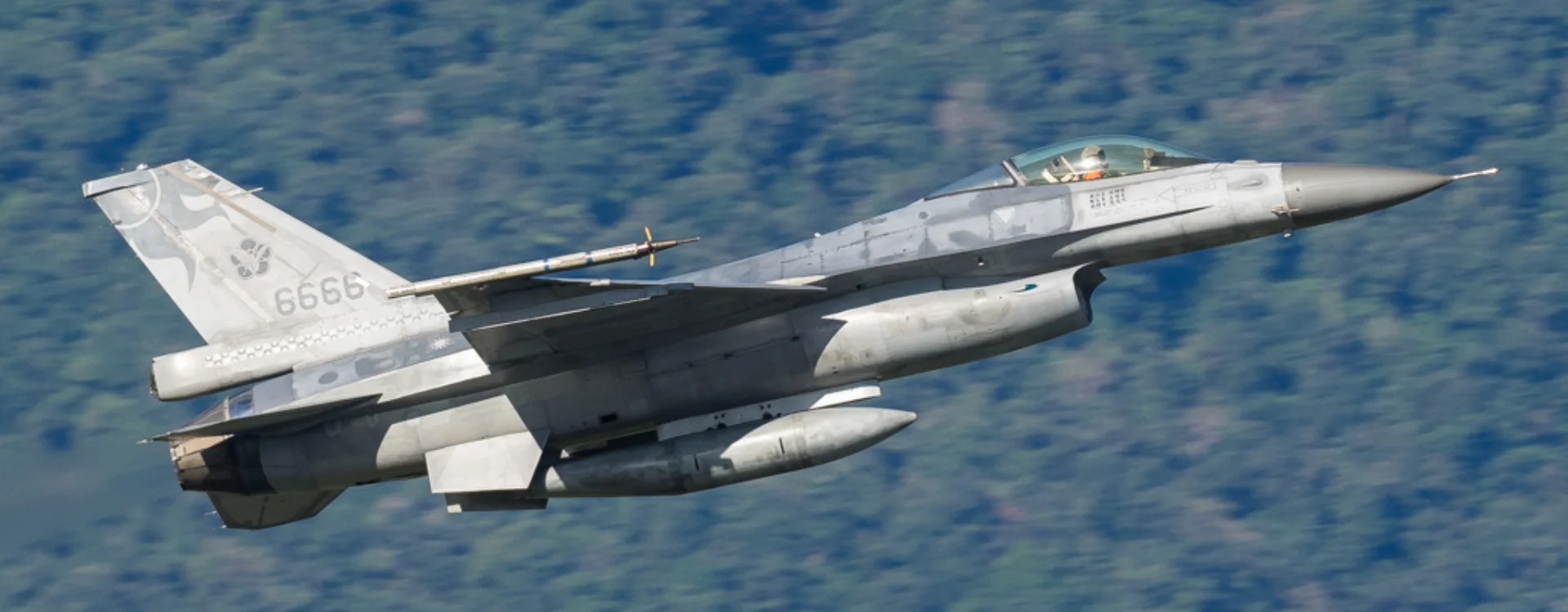
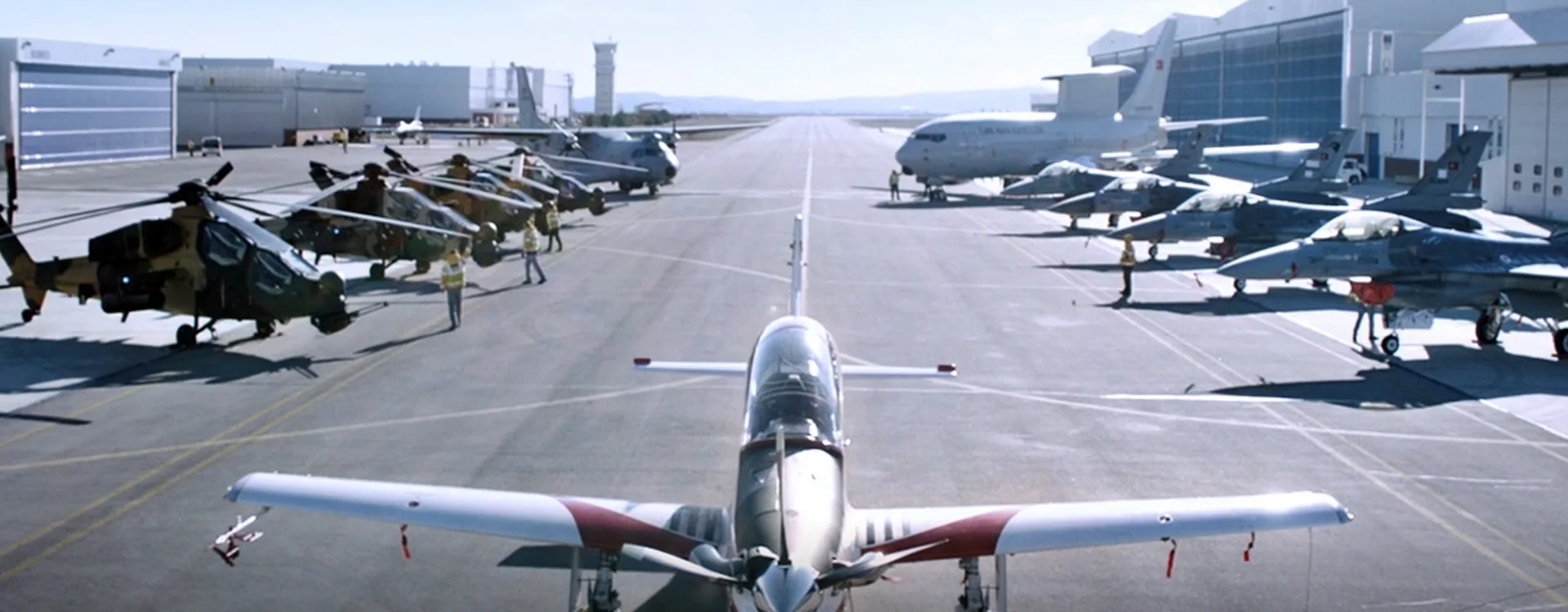
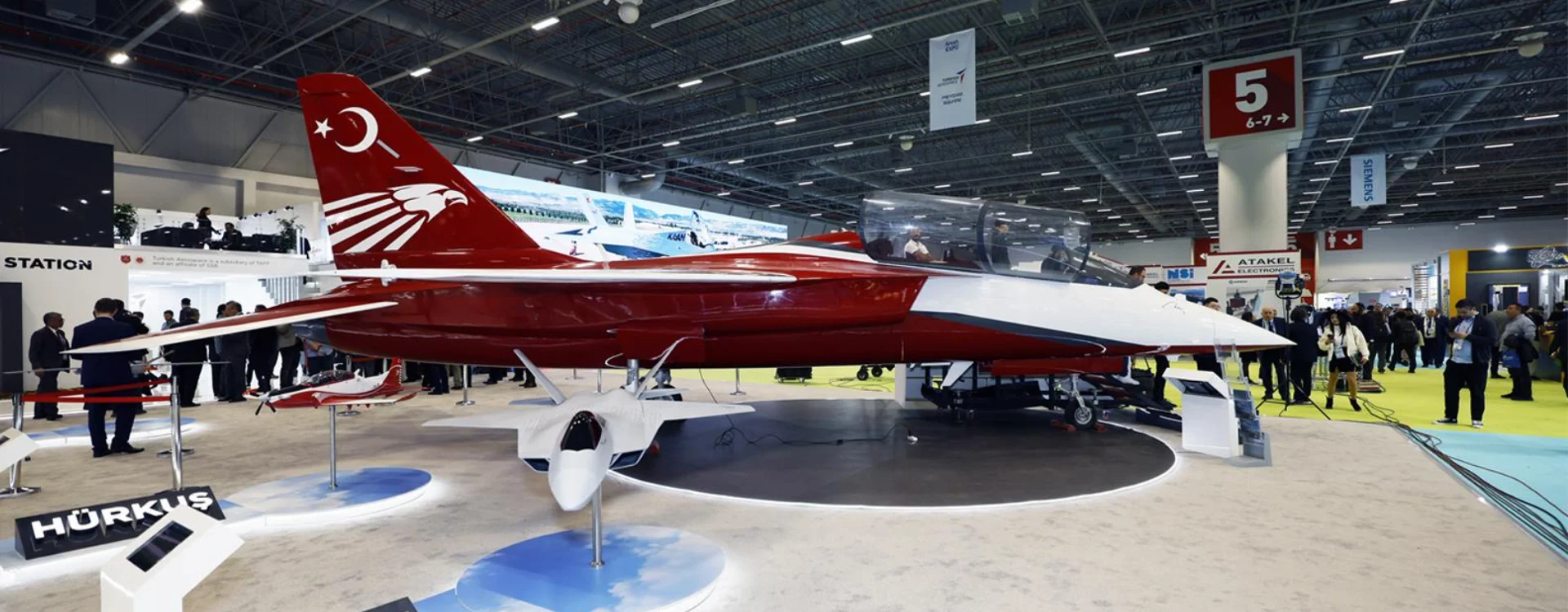
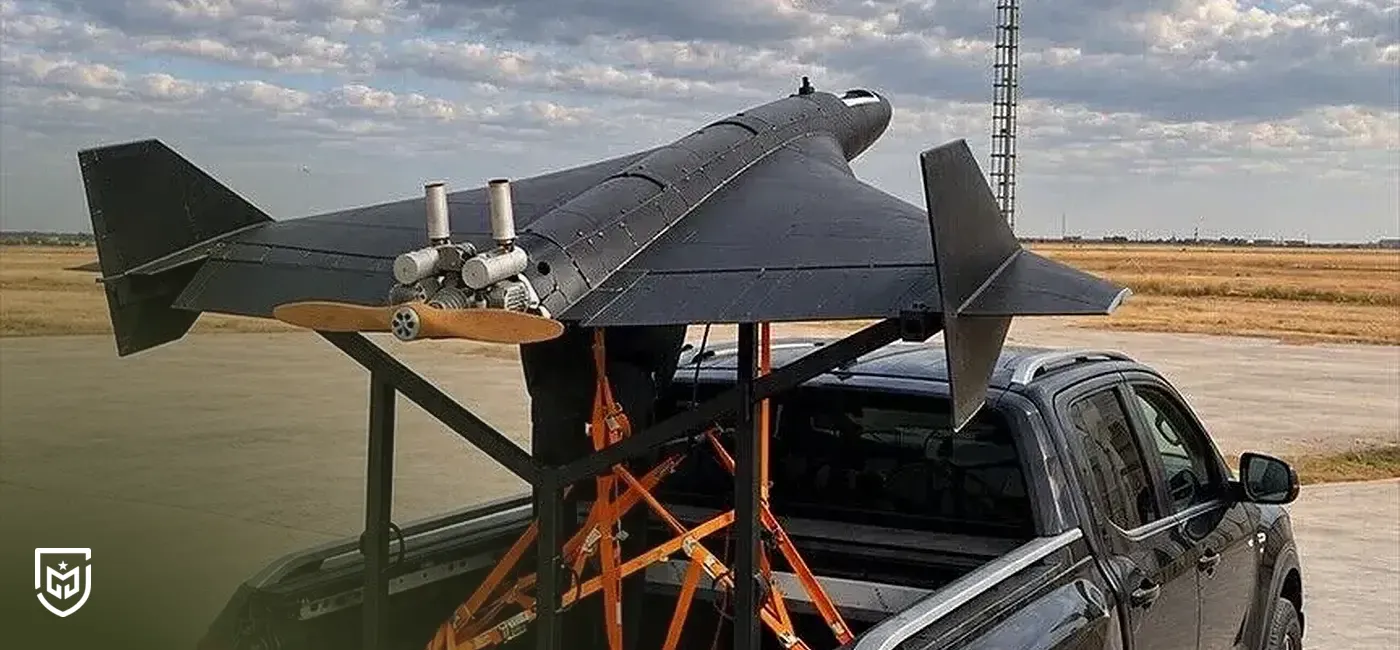
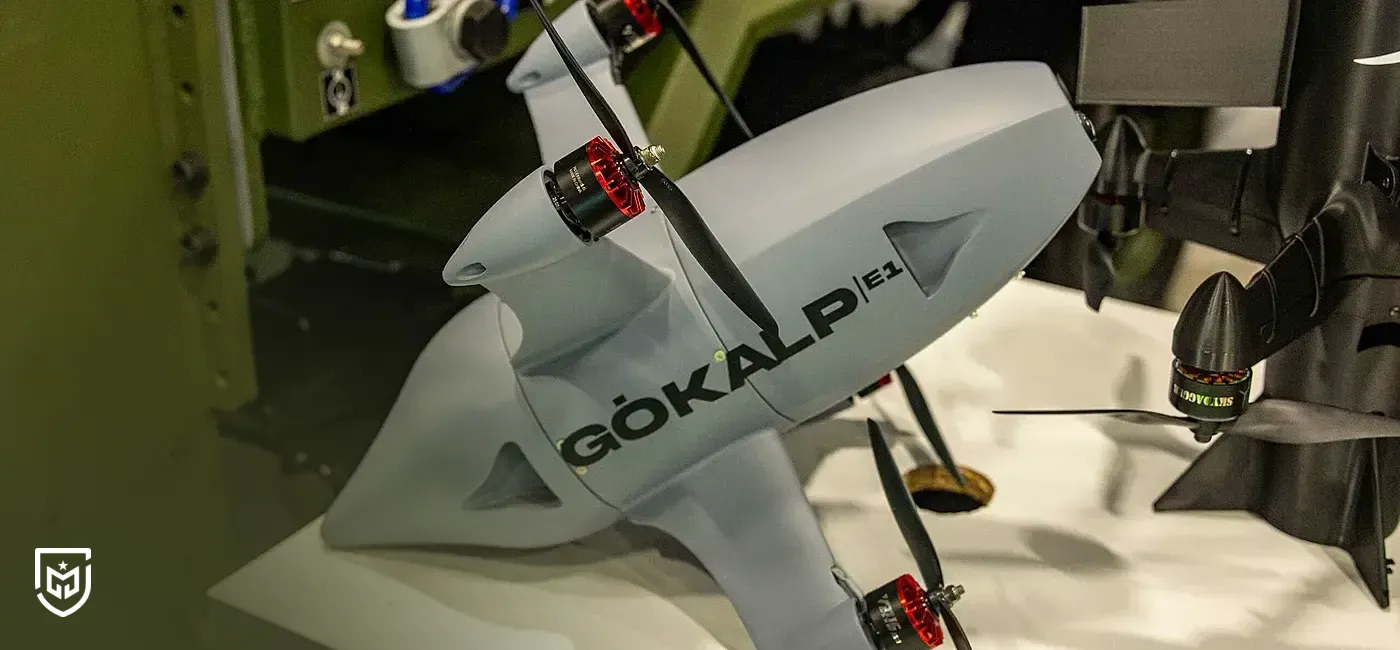
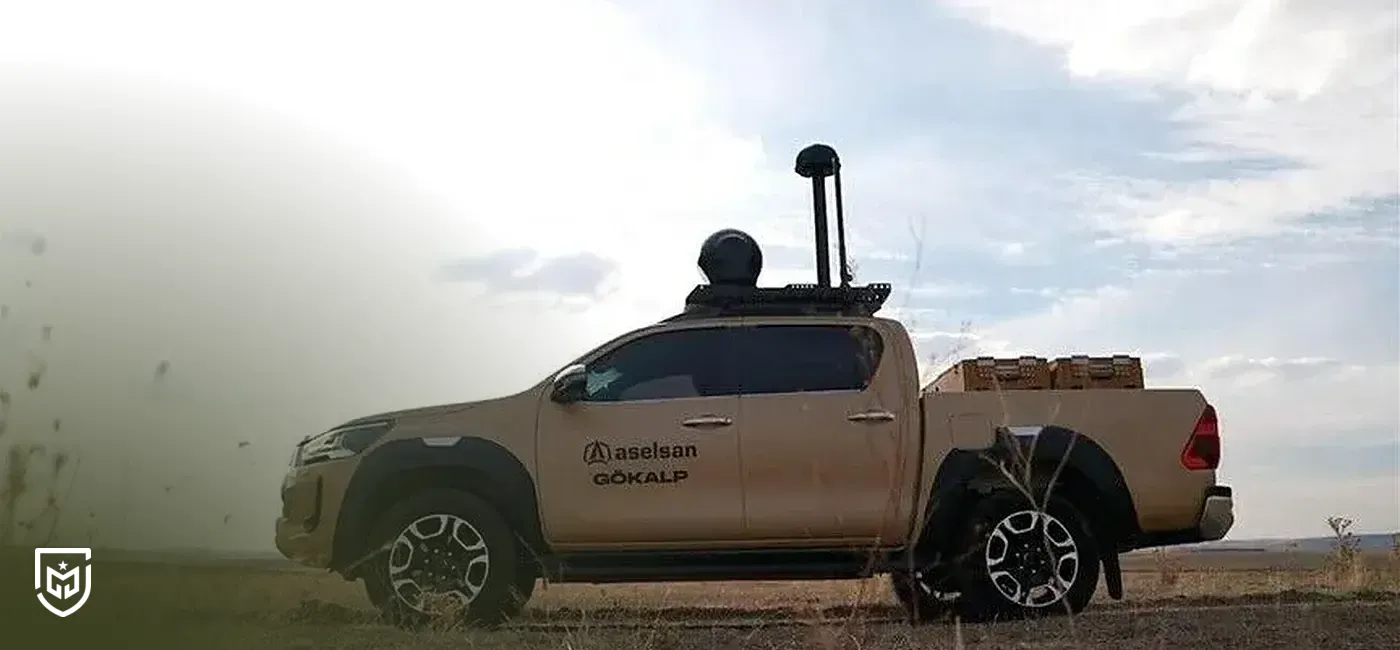
The question of whether a UAV or a fighter jet is more effective is one of the most debated topics in modern defense technology. Today, unmanned aerial vehicles stand out with their low cost, long endurance, reconnaissance-surveillance capability and ability to reduce pilot risk in dangerous missions. Fighter jets, on the other hand, remain among the most critical elements of modern armies thanks to their high speed, strong payload capacity, air superiority role and strategic strike power. Therefore, it is not accurate to say that one system is absolutely superior to the other. UAVs provide major advantages in border security, target tracking, intelligence gathering and low-intensity conflicts, while fighter jets play a more decisive role in large-scale wars where advanced air defense systems are present.
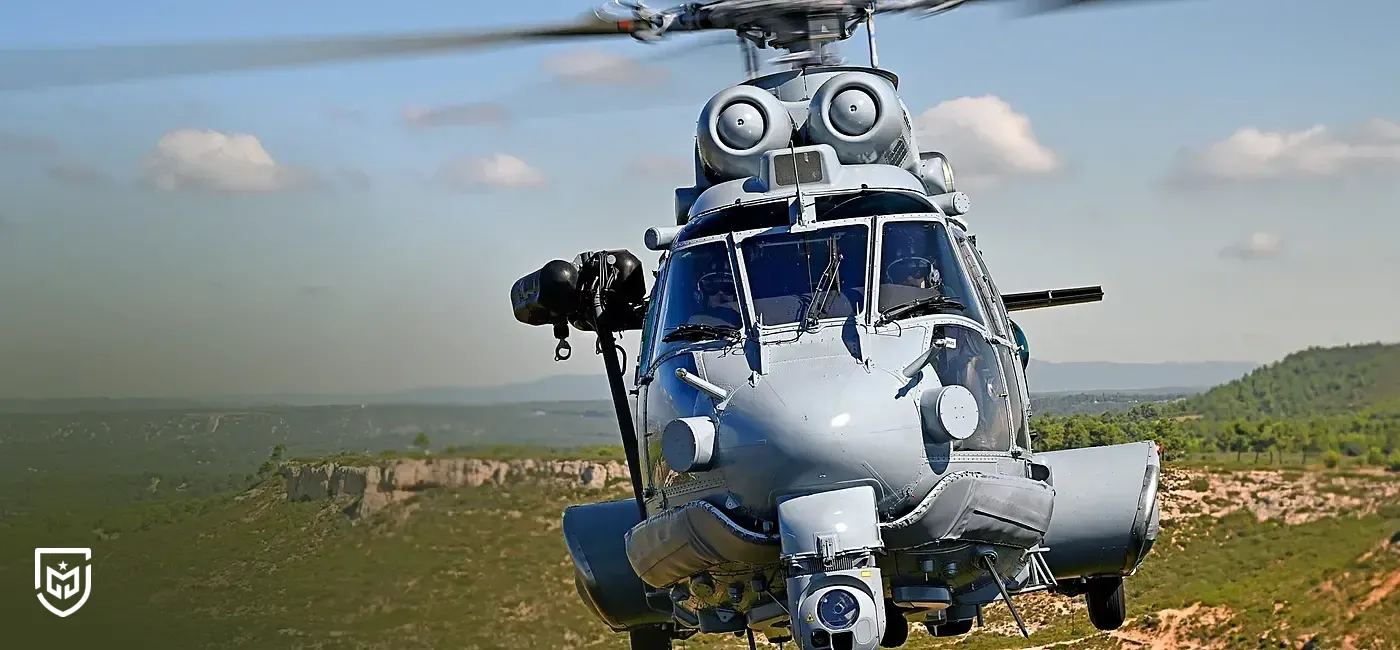
From a technical perspective, UAVs give armies continuous surveillance and precision targeting capability in modern warfare. Their lower production cost, ability to operate in groups and absence of pilot risk make them highly valuable. However, UAVs are generally more limited than fighter jets in terms of speed, maneuverability, payload capacity and survivability in heavily defended airspace. Fighter jets can establish air dominance with advanced radar systems, electronic warfare capability, long-range munitions and high-altitude performance. In the future of air warfare, the most effective model is expected to be not only UAVs or fighter jets alone, but a hybrid air power structure where manned fighter aircraft and AI-supported unmanned systems operate together. For modern armies, real success depends on using UAVs as reconnaissance and support assets while employing fighter jets as air superiority and strategic strike platforms.


The cookies used on our website are used to provide you with a better user experience and to improve our website. You can manage your cookie preferences from the options below.


 Süheyla Yıldız