BREAKING NEWS
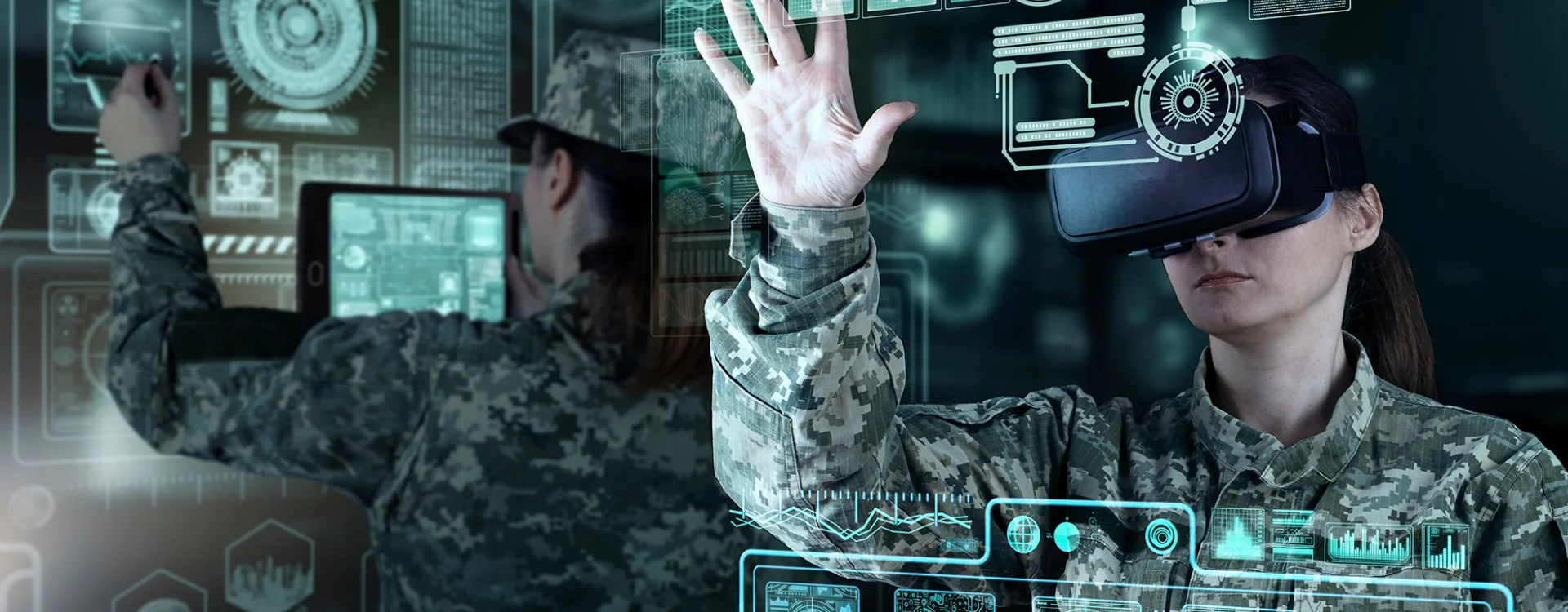
The use of artificial intelligence in the defense industry has become one of the most critical development areas of modern warfare technologies. Today, armies invest not only in physical power but also in data analysis, automation and intelligent defense systems. AI-supported technologies allow military operations to be carried out faster, safer and more effectively. In recent years, autonomous systems, target detection algorithms and advanced analysis platforms have begun to completely reshape war strategies.
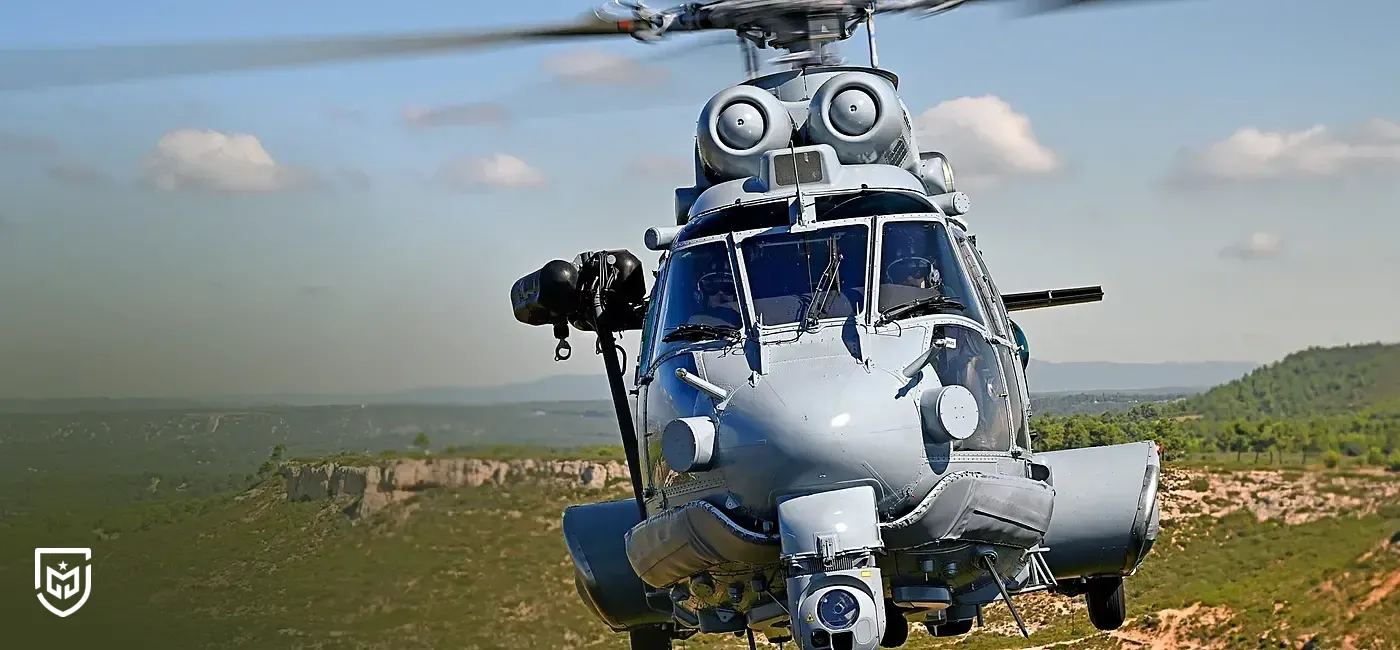
In modern defense systems, artificial intelligence is actively used in radar technologies, air defense networks, unmanned aerial vehicles and cybersecurity infrastructure. Thanks to these systems, threats can be analyzed within seconds and automatic responses can be carried out. Real-time data processing provides a major decision-making advantage on the battlefield. This increases the success of military operations while reducing the risk of human error.
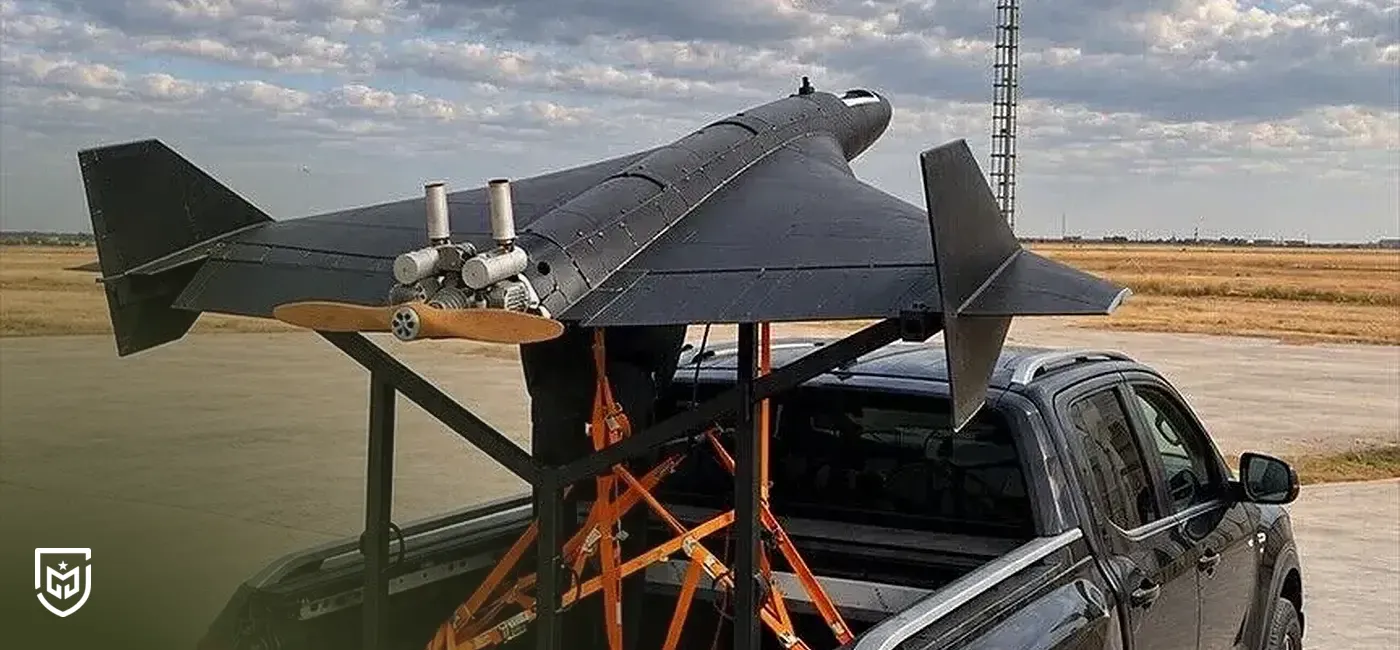
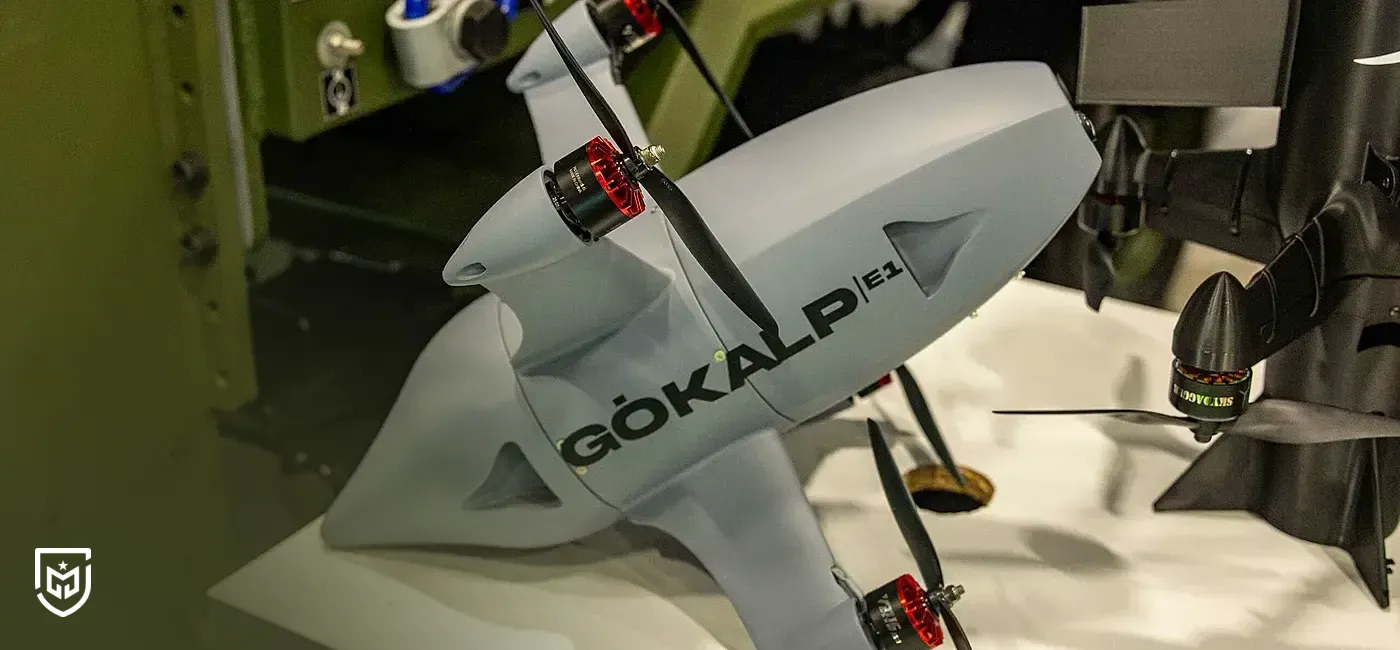
One of the most important uses of artificial intelligence in the defense industry is unmanned aerial vehicles. UAV and UCAV systems can recognize targets automatically through advanced image processing algorithms. They can also optimize flight routes during missions, increasing operational efficiency. AI-supported drone systems provide significant advantages to armies in reconnaissance and surveillance missions.
AI technologies used in air defense systems are also highly important. Missile attacks, kamikaze drones and ballistic threats can be detected in a very short time through AI-supported radar systems. Threat analysis systems evaluate the speed, direction and risk level of a target to determine the most suitable defense method. As a result, modern air defense networks become more effective.
Artificial intelligence also plays a major role in cybersecurity. Government institutions, military data centers and critical infrastructure are constantly at risk of cyberattacks. AI-supported security software can analyze unusual activity in real time and detect attacks at an early stage. Through big data analysis, threats can be identified before they cause serious damage.
Autonomous combat systems are among the most striking examples of AI transformation in the defense industry. Land vehicles, naval systems and robotic defense platforms that can operate without direct human intervention are shaping the warfare concepts of the future. These systems aim to reduce soldier losses by operating in high-risk areas.
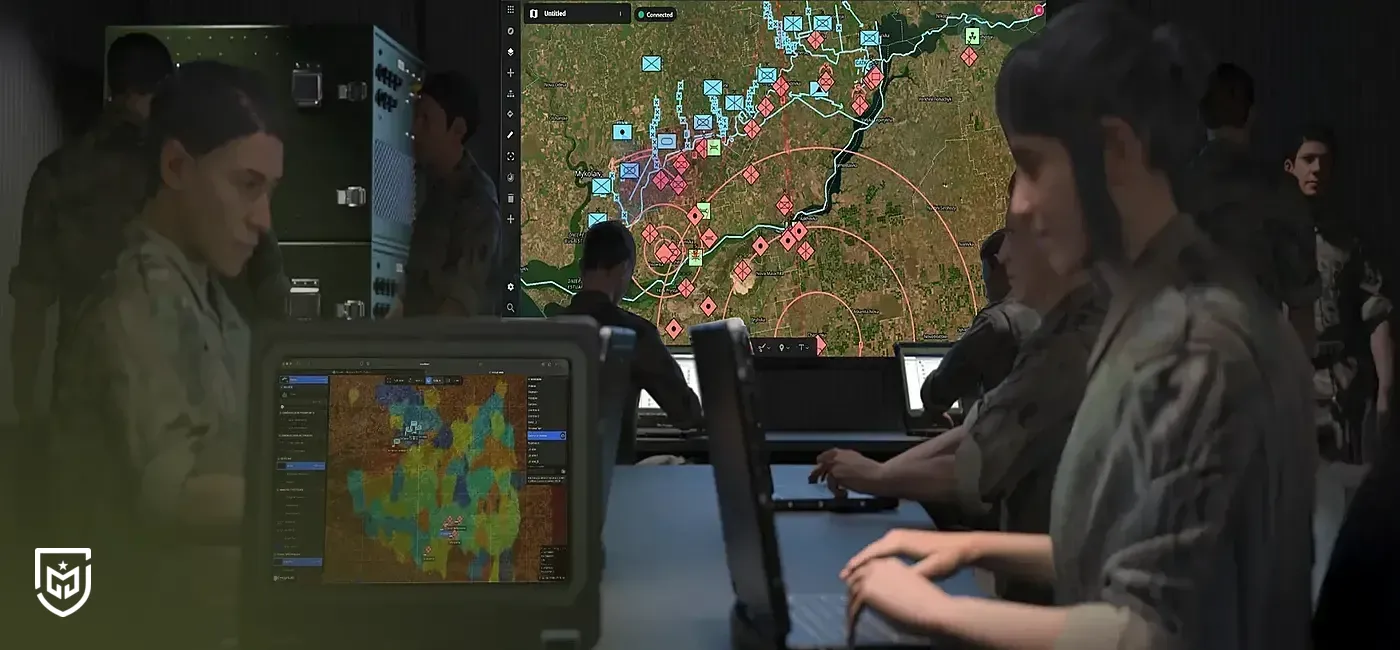
AI-supported military analysis systems also play an important role in strategic planning. Large amounts of intelligence data can be analyzed within seconds to create possible threat scenarios. Satellite images, radar data and field reports can be processed by artificial intelligence, providing rapid information flow to command centers. This significantly speeds up operational decision-making processes.
The use of artificial intelligence in the defense industry also increases economic and technological competition. Many countries are developing AI-based defense projects with major investments. This is because technological superiority is expected to be one of the decisive factors in future wars. Countries that are strong in artificial intelligence also gain strategic advantages in the military field.
In the future, AI-supported warfare technologies are expected to become even more advanced. Autonomous fighter aircraft, smart missile systems, robotic soldiers and advanced electronic warfare solutions may define the next era of the defense industry. For this reason, artificial intelligence will continue to remain at the center of not only the technology world but also global security strategies.


The cookies used on our website are used to provide you with a better user experience and to improve our website. You can manage your cookie preferences from the options below.



 Süheyla Yıldız