BREAKING NEWS
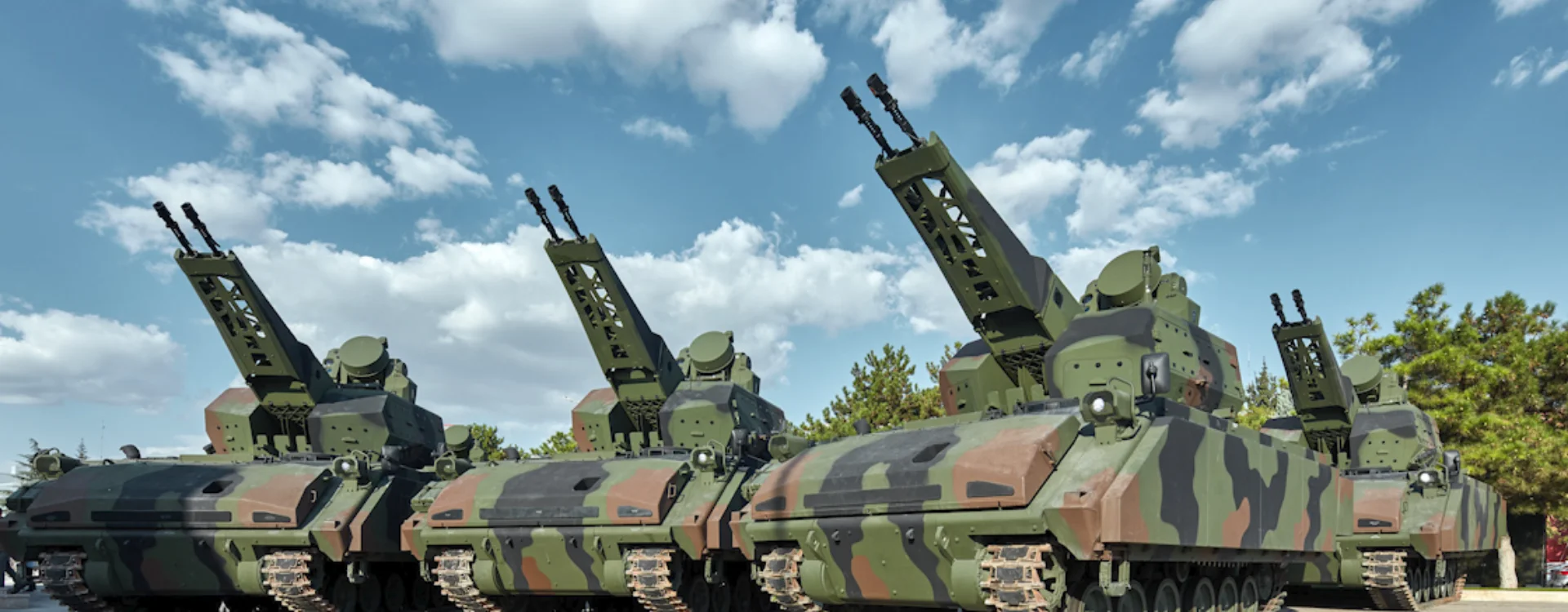
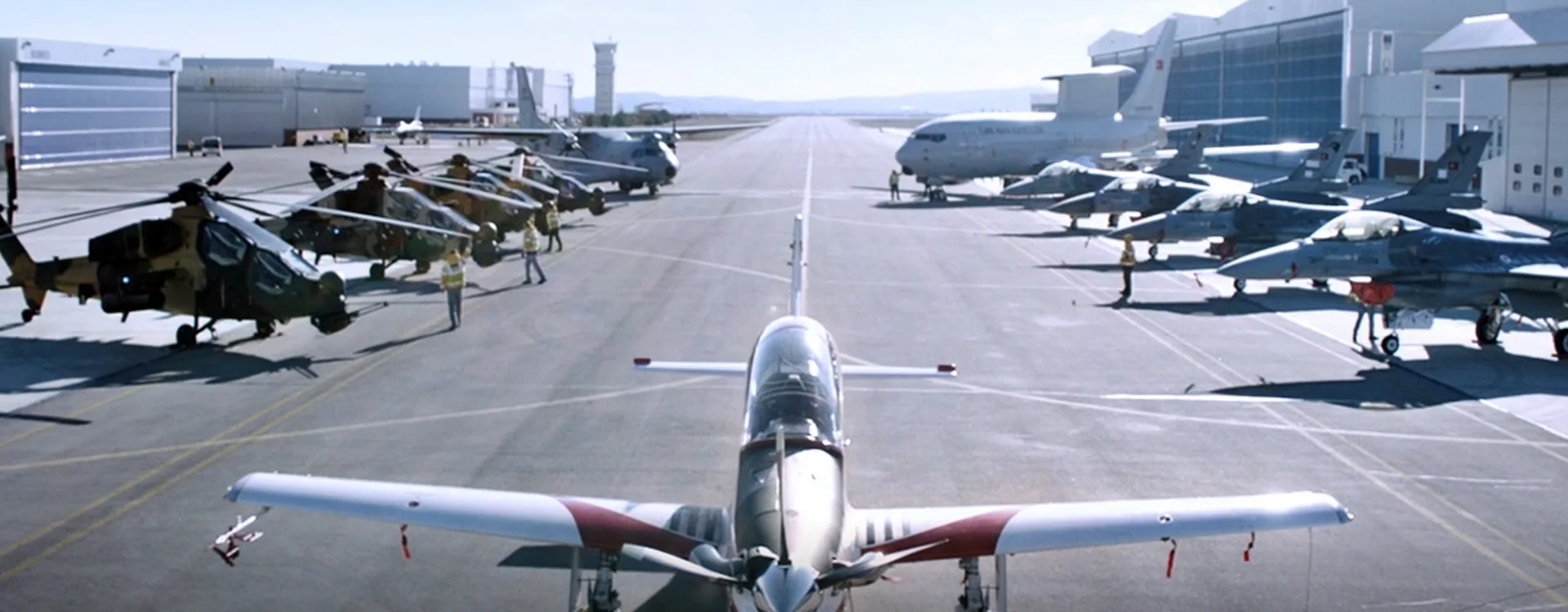
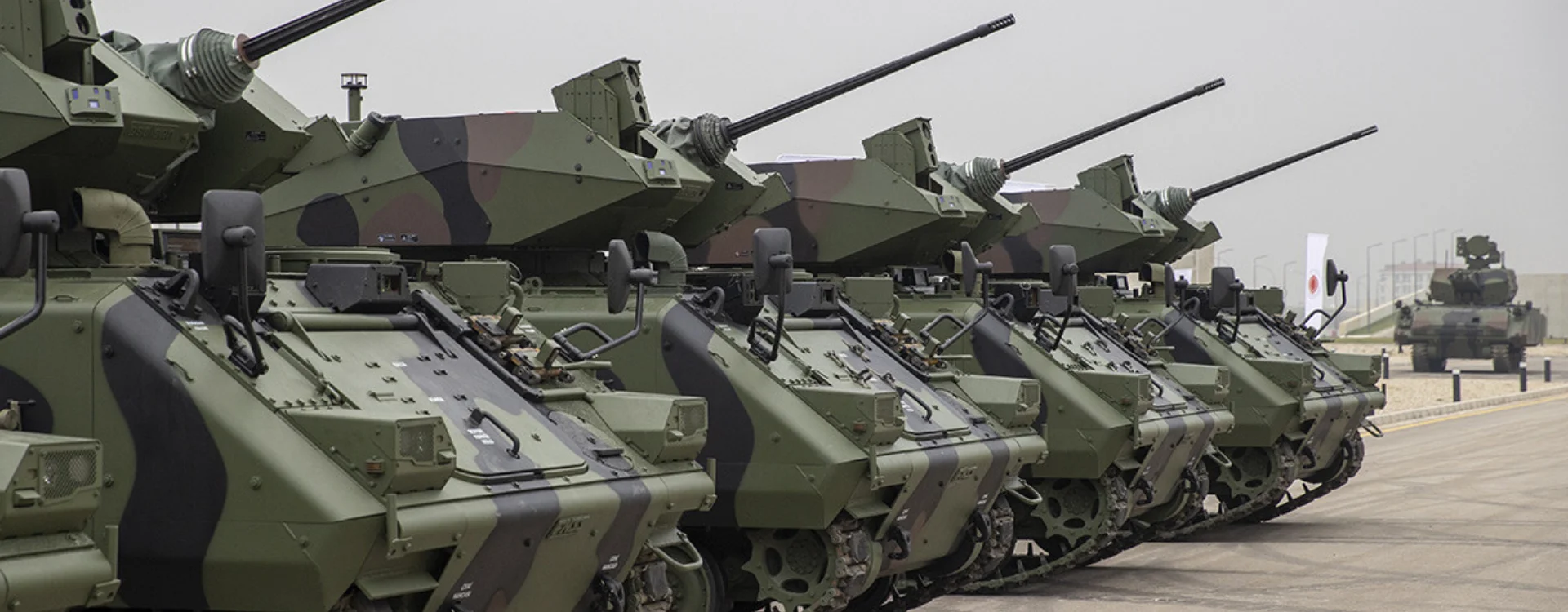
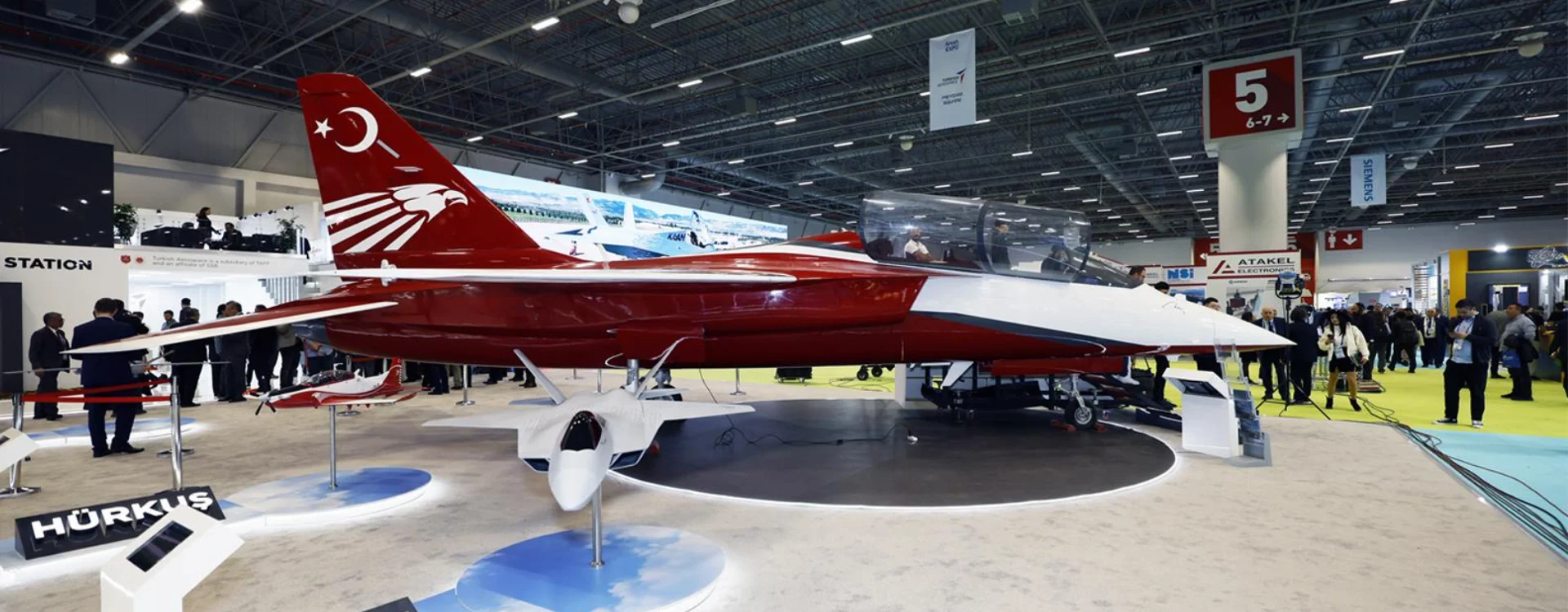
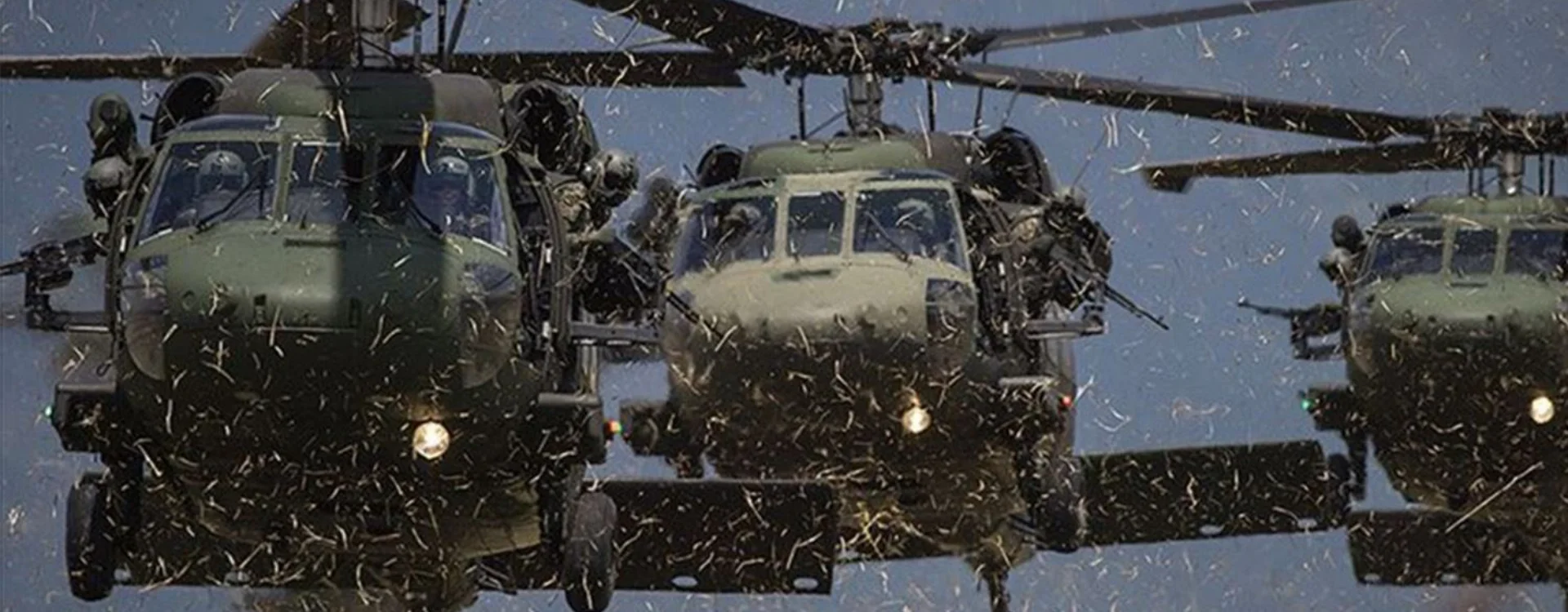
The defense industry is a strategic sector that develops and produces technologies, weapon systems, vehicles, equipment and security solutions to meet a country’s military needs. Today, the defense industry is no longer limited to producing war equipment; it has become a major high-technology field. Fighter jets, tanks, missile systems, radar technologies, unmanned aerial vehicles, electronic warfare solutions and cybersecurity infrastructure are among the main components of the defense industry. For this reason, having a strong defense industry directly affects both the military and economic power of countries.
In the modern world, the defense industry is at the center of national independence and security policies. Countries that want to reduce foreign dependency place great importance on developing their own defense technologies. Dependence on foreign suppliers in critical military systems can create serious security risks during times of crisis. Countries that develop domestic defense systems gain operational flexibility and can make strategic decisions more independently.
One of the most important areas of the defense industry is air defense technology. Missile defense systems, radar networks and early warning solutions form the basic security layer of modern armies. As ballistic missile threats, hypersonic weapons and drone attacks increase, the need for advanced air defense systems continues to grow every year.
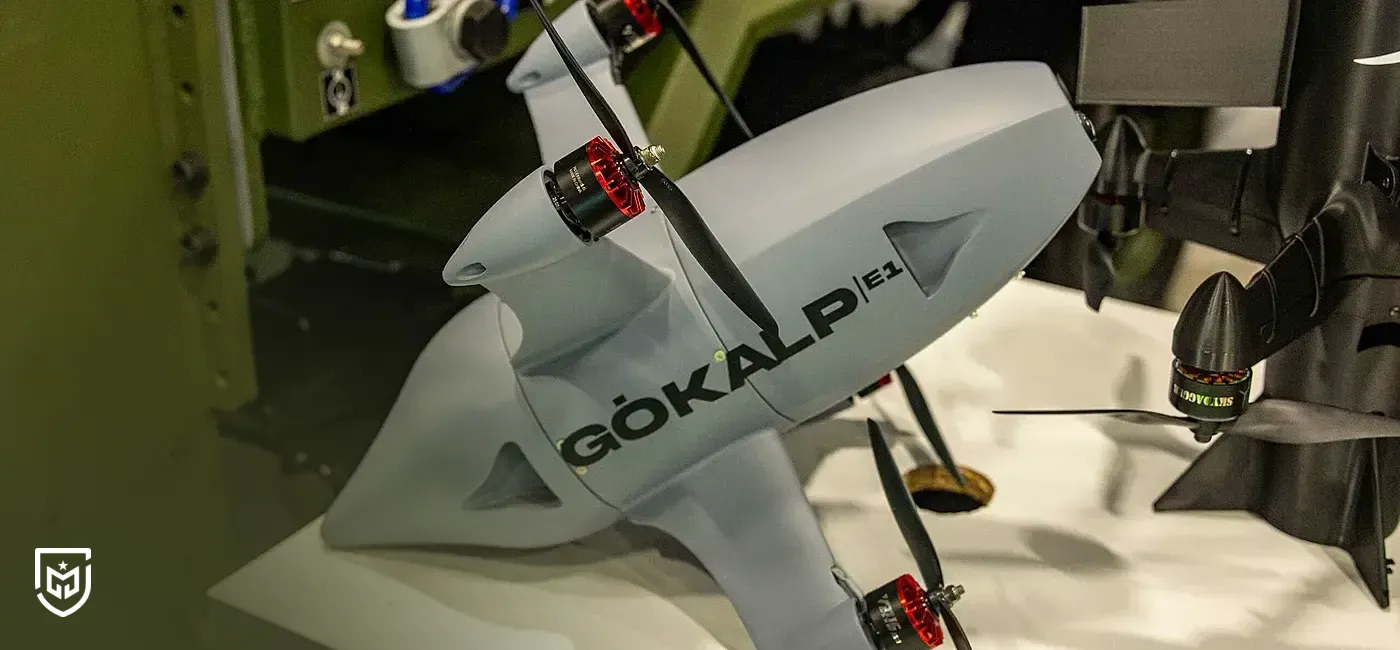
Unmanned aerial vehicles, known as UAVs and UCAVs, are among the fastest-growing areas of the defense industry. These systems provide reconnaissance, surveillance, target detection and operational support, significantly changing the concept of modern warfare. Because they offer high operational capability at lower cost, many countries are focusing their defense investments on drone technologies.
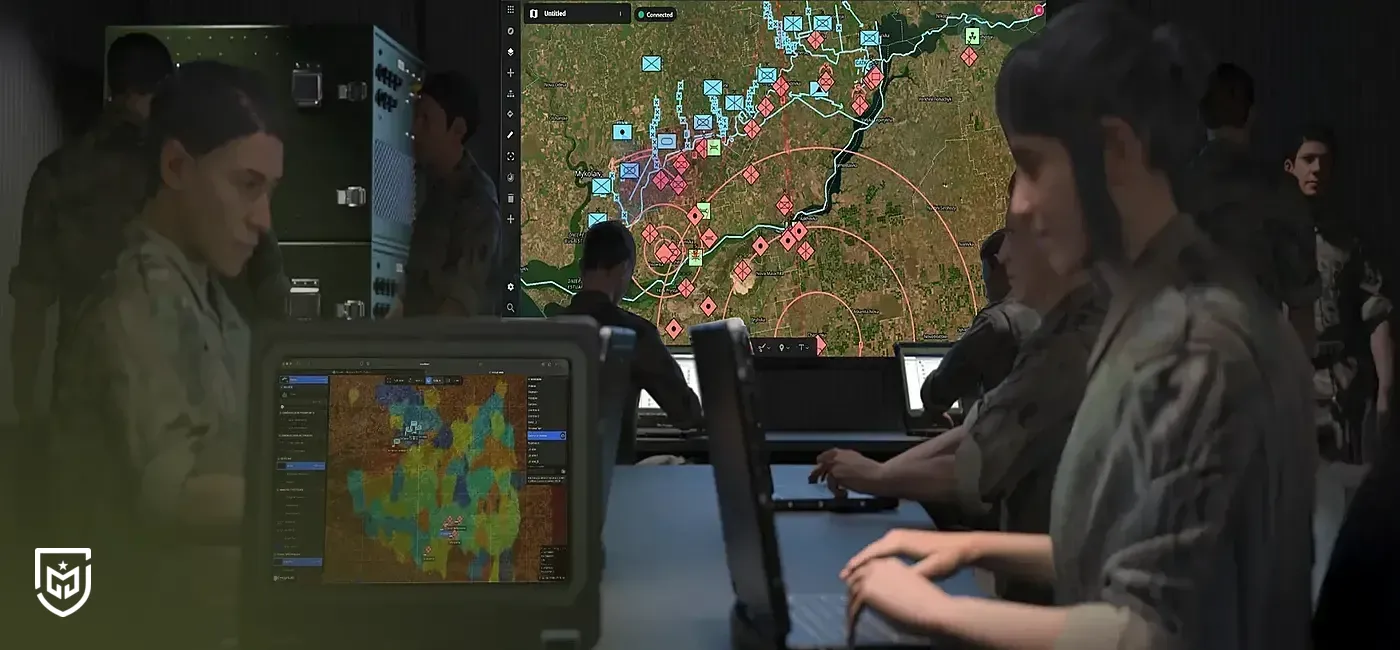
Electronic warfare and cybersecurity technologies also play a critical role in today’s defense industry. A large part of modern warfare is now conducted through digital systems. Radar jamming systems, GPS signal disruptors, communication-blocking technologies and cyber defense software have become indispensable components of modern armies. Therefore, the defense industry is not only about producing physical weapons; it also requires major investments in information and data security.
Naval defense systems also have strategic importance. Warships, submarines, smart torpedoes and autonomous naval vehicles play critical roles in protecting maritime security. Strong naval defense technologies are especially important for securing energy corridors and trade routes.
Space technologies are also seen as one of the next-generation areas of the defense industry. Military satellites, space-based communication systems and advanced intelligence solutions give countries operational advantages on a global scale. For this reason, many countries are investing heavily in space defense programs.
The defense industry is also a high-technology sector that contributes to economic growth. Defense projects drive major development in software, artificial intelligence, electronics, aviation and engineering. In addition, defense exports have become an important source of revenue for many countries.
In the future, AI-supported combat systems, laser defense technologies, robotic platforms and autonomous military vehicles are expected to become more widespread. For this reason, the defense industry will continue to carry strategic importance not only for security but also for technology development and global competition.


The cookies used on our website are used to provide you with a better user experience and to improve our website. You can manage your cookie preferences from the options below.






 Süheyla Yıldız