BREAKING NEWS

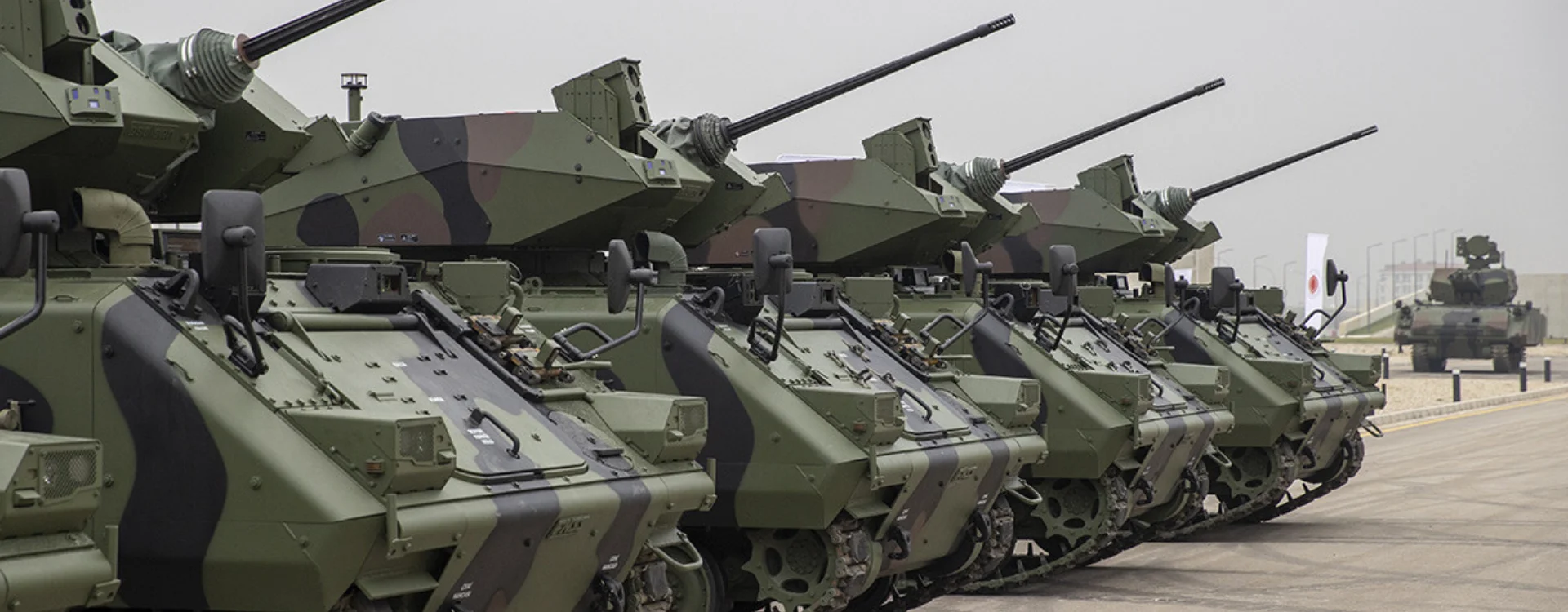
Laser weapons have become one of the most prominent elements of modern military doctrines within ground systems, thanks to their advantages such as high precision, instant engagement, and low operational cost. Unlike traditional weapon systems that rely on kinetic ammunition, laser weapons use directed energy that reaches the target at the speed of light. This capability provides ground forces with a fast and effective defense solution against asymmetric threats such as unmanned aerial vehicles, mini and micro threats, mortar rounds, and rocket attacks. The absence of conventional ammunition requirements significantly reduces logistical burden while enhancing operational continuity during prolonged missions.
From a technical standpoint, laser weapons in ground systems typically operate through high-energy fiber lasers integrated with advanced target-tracking algorithms. These systems are connected to radar, electro-optical sensors, and command-and-control networks, allowing targets to be detected, tracked, and neutralized within milliseconds by focusing the laser beam. The low risk of collateral damage makes laser weapons particularly suitable for operations in urban environments and around critical infrastructure. However, challenges such as power generation, cooling requirements, and performance variations due to weather conditions remain key areas for further development. Today, many countries are integrating laser weapons onto mobile ground platforms, armored vehicles, and fixed base defense systems, positioning them as a core component of future multi-layered air and ground defense architectures.


The cookies used on our website are used to provide you with a better user experience and to improve our website. You can manage your cookie preferences from the options below.






 Rabia Kılıç