BREAKING NEWS

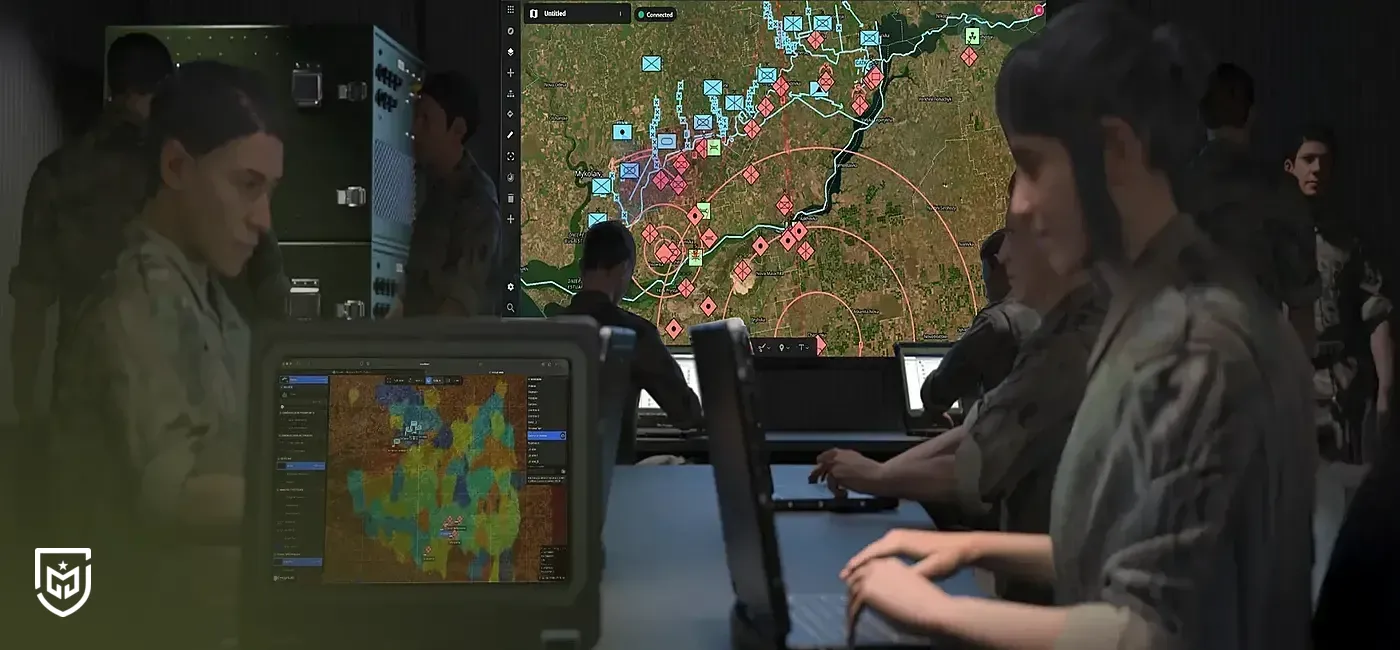
One of the most critical components of modern air defense systems is Identification Friend or Foe (IFF), a technology designed to instantly determine whether an airborne target is friendly or hostile. In today’s battlefields, where airspace is highly congested and multinational operations are common, IFF systems play a vital role in preventing friendly fire incidents and ensuring rapid, accurate engagement decisions. Targets detected by radar are interrogated through IFF, allowing air defense units to clearly distinguish allied aircraft from potential threats. In this sense, IFF acts not only as a recognition tool but also as a silent safeguard at the heart of air defense command and control networks.
From a technical perspective, the IFF system operates through a secure interrogation and response mechanism between ground-based radars and airborne transponders. Friendly platforms respond with valid, encrypted codes, while enemy, unknown, or civilian aircraft fail to provide the correct reply. Modern IFF architectures are reinforced with advanced cryptography, time-sensitive coding, and network-centric integration, making them resilient against electronic warfare and cyber threats. Historically, repeated friendly fire incidents in early air combat highlighted the necessity of IFF technology, accelerating its development. Today, IFF systems are fully integrated with long-range radars, missile defense systems, and command centers, forming an indispensable layer of multi-tiered air defense strategies. In modern warfare doctrines, it is widely accepted that effective air defense is impossible without a reliable IFF capability.


The cookies used on our website are used to provide you with a better user experience and to improve our website. You can manage your cookie preferences from the options below.




 Süheyla Yıldız