BREAKING NEWS
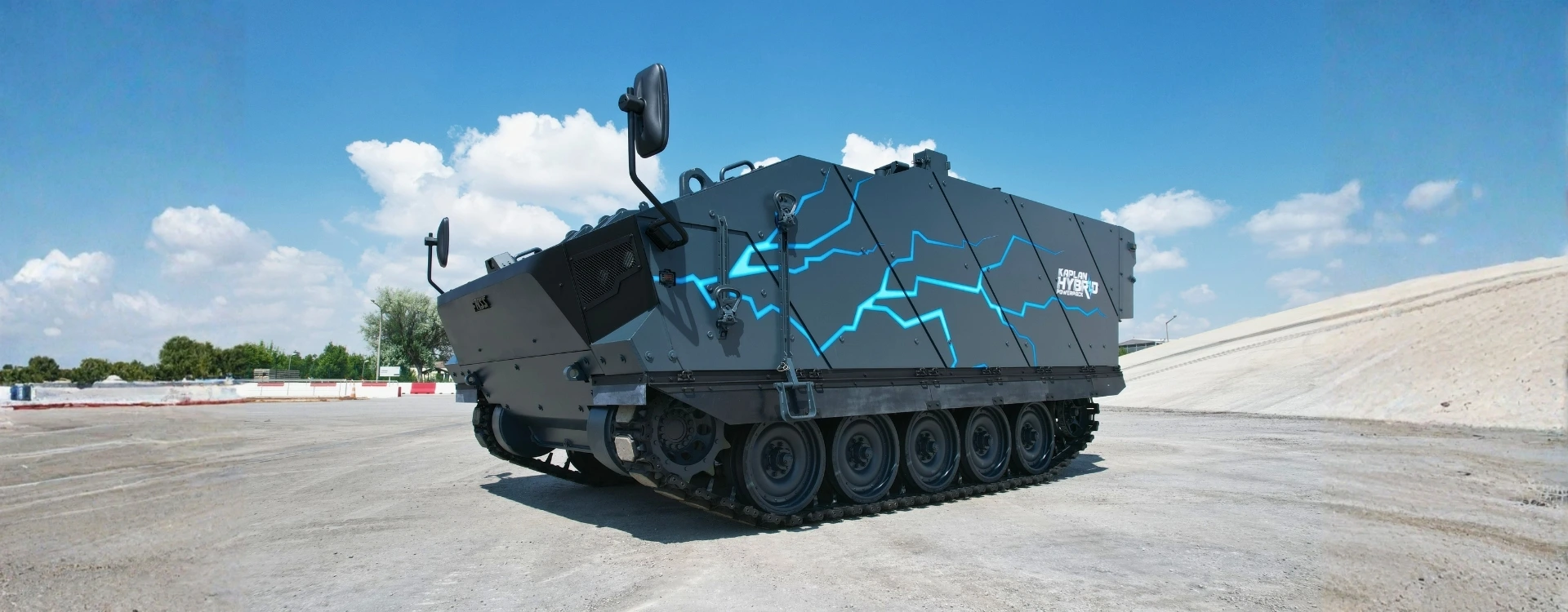
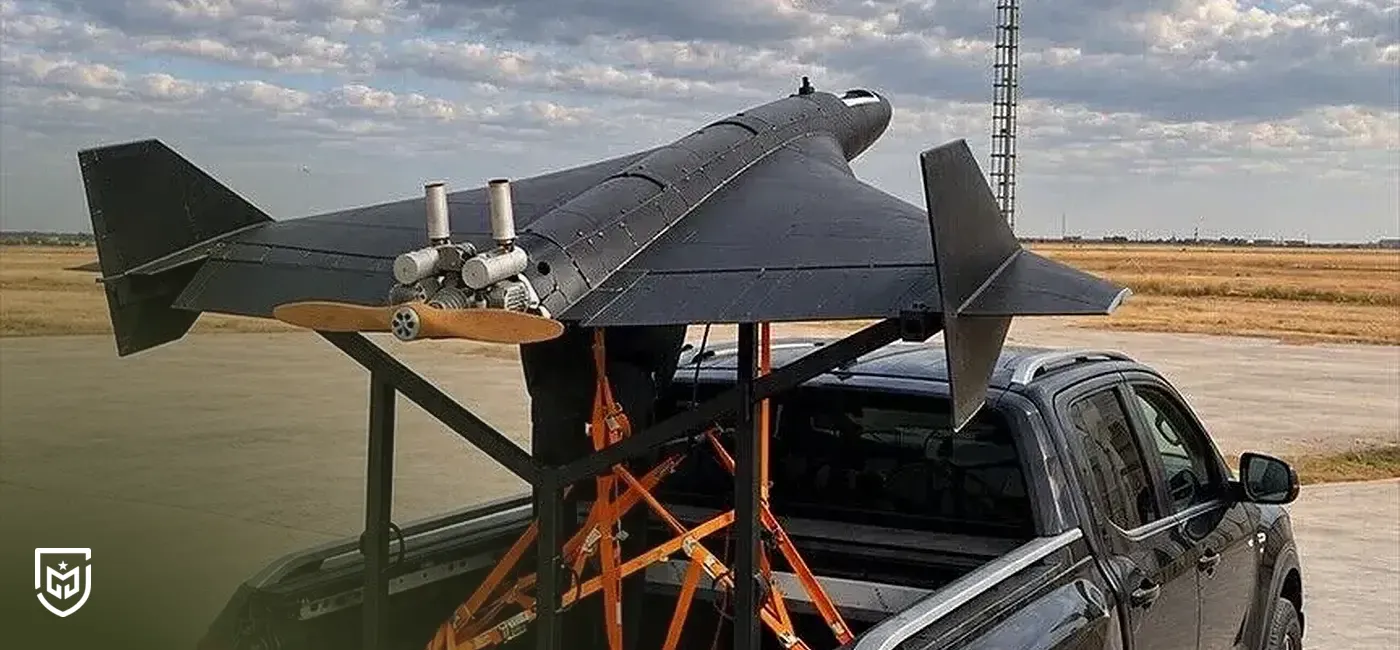
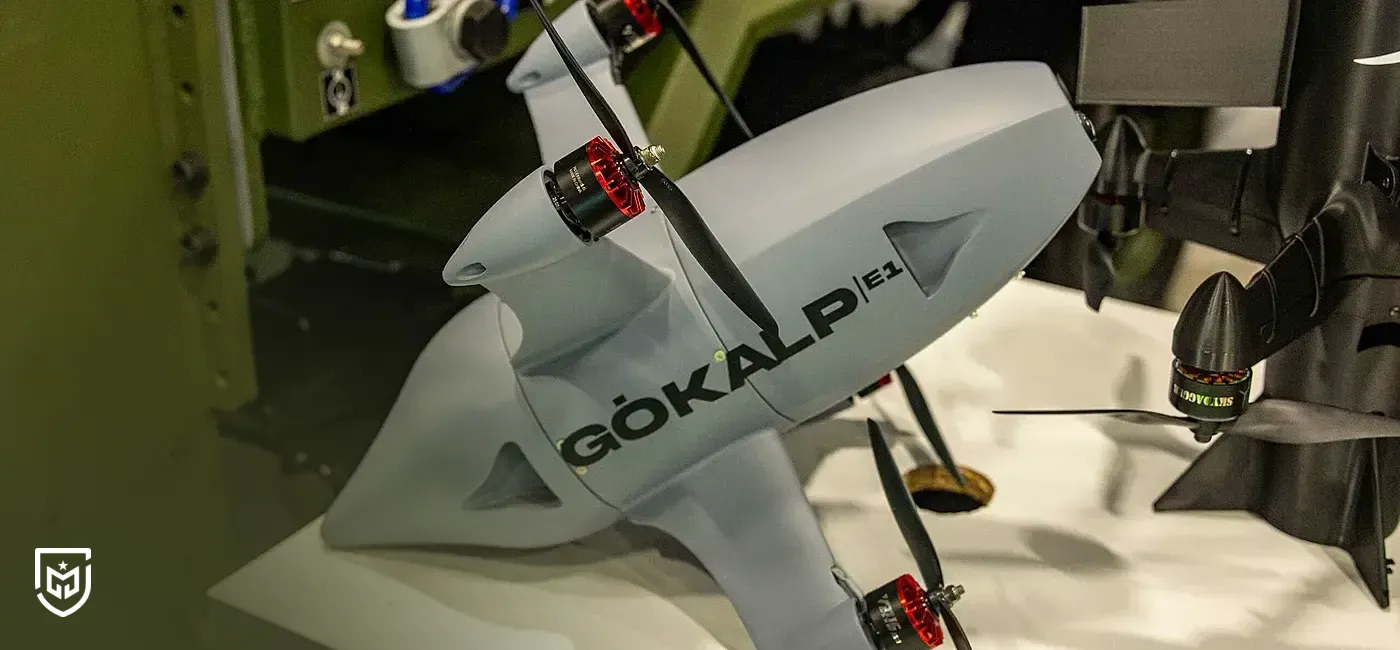
Hybrid propulsion systems have emerged as next-generation power solutions that provide high performance, fuel efficiency, and operational flexibility in military platforms. Combining traditional internal combustion engines with electric motors, these systems deliver critical advantages on modern battlefields, particularly through silent mobility and a reduced thermal signature. In today’s military doctrines, not only firepower but also stealth, endurance, and logistical sustainability have become decisive factors. Hybrid propulsion technologies directly address these needs and are increasingly adopted across land, sea, and air platforms.
From a technical perspective, military hybrid propulsion systems can be implemented through series, parallel, and series-parallel architectures. Electric motors enable vehicles to operate in fully silent mode over short distances, while internal combustion engines ensure extended range and sustained power during long missions. This configuration not only reduces fuel consumption but also lowers maintenance requirements and extends operational endurance. Additionally, hybrid systems can supply external power to energy-intensive military equipment such as radar and sensor systems. The use of hybrid propulsion in armored vehicles, unmanned platforms, and logistics fleets has become strategically important for modern armed forces due to advantages such as energy efficiency, low acoustic footprint, reduced thermal visibility, and enhanced mission continuity.


The cookies used on our website are used to provide you with a better user experience and to improve our website. You can manage your cookie preferences from the options below.






 Süheyla Yıldız