BREAKING NEWS
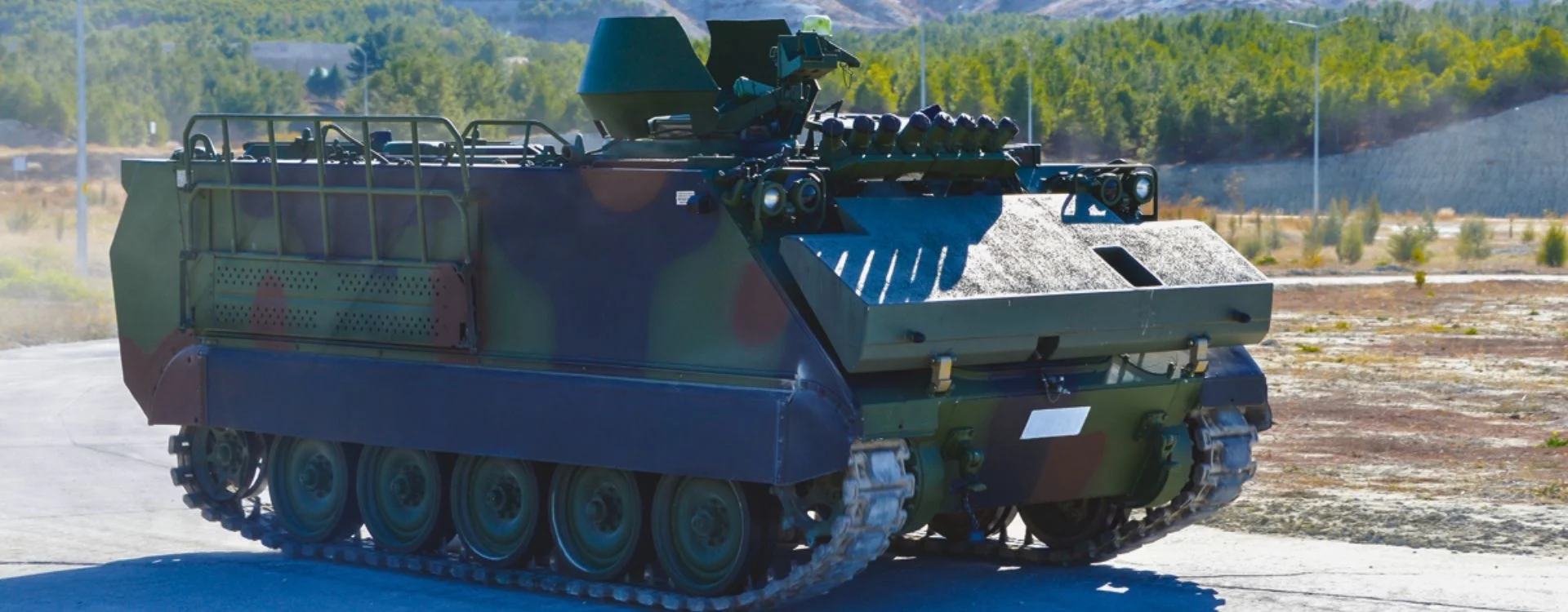
Hybrid-powered armored vehicles stand out as a concrete result of modern armed forces’ pursuit of fuel efficiency, reduced logistical dependency, and enhanced operational capability. Equipped with electric propulsion components in addition to traditional diesel engine systems, these vehicles provide significant advantages, particularly in reconnaissance, ambush, and urban operations thanks to their silent movement capability. Lower fuel consumption both extends operational endurance and reduces the vulnerability of supply lines. In this respect, hybrid armored vehicles are not merely a technological innovation but are increasingly regarded as a strategic force multiplier.
From a technical perspective, hybrid-powered armored vehicles feature a complex power management system in which an internal combustion engine and an electric motor operate in an integrated manner. Electric motors are typically engaged at low speeds and in silent mode, while the diesel engine provides support during high-speed movement and demanding off-road conditions. This architecture contributes to the reduction of thermal and acoustic signatures, making the vehicles harder to detect. In addition, hybrid systems can generate substantial electrical power for onboard radars, sensors, active protection systems, and weapon stations. This capability facilitates the integration of network-centric warfare, artificial intelligence–supported systems, and autonomous capabilities, all of which are critical on the future battlefield. Today, many countries position hybrid armored vehicles not only for conventional ground forces but also as a core infrastructure for unmanned ground vehicles and modular combat platforms.


The cookies used on our website are used to provide you with a better user experience and to improve our website. You can manage your cookie preferences from the options below.




 Rabia Kılıç