BREAKING NEWS
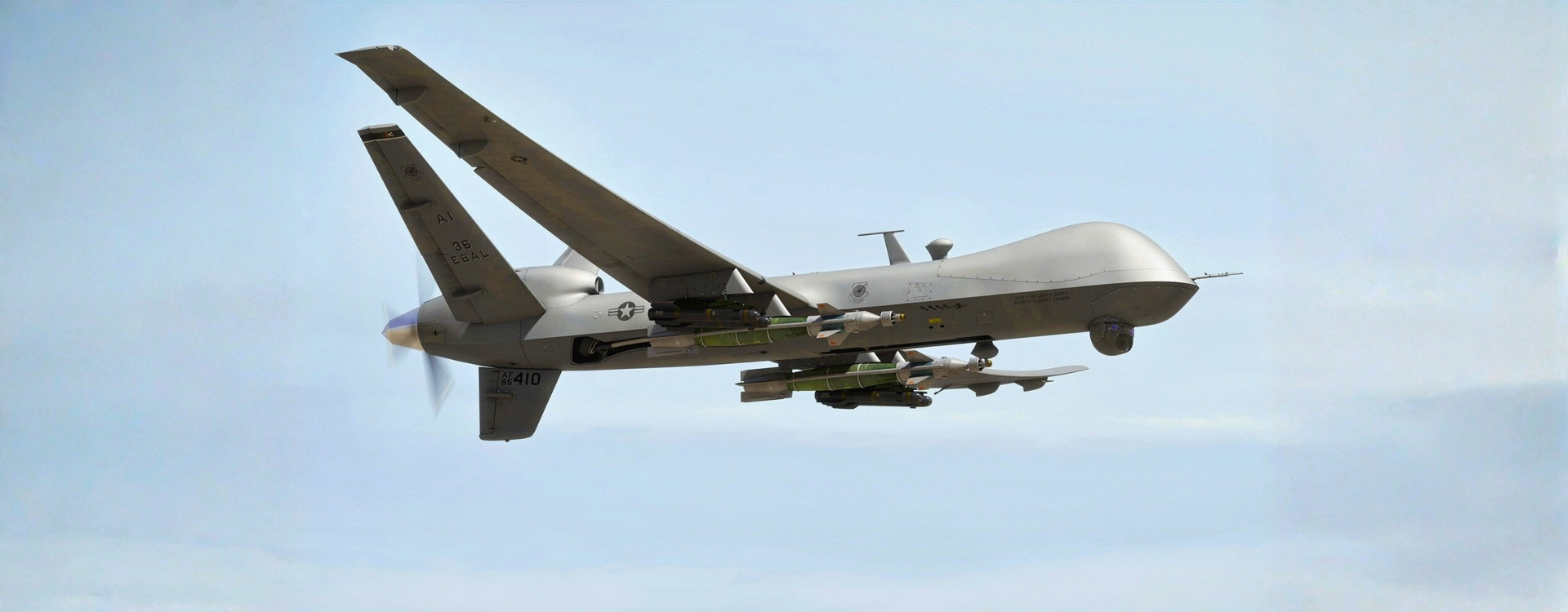
In unmanned aerial vehicles, communication range is one of the most critical factors directly affecting mission success. UAV communication range refers to the uninterrupted data exchange between the ground control station and the aircraft, and this distance varies depending on environmental conditions, hardware quality, and the communication technology used. Especially in reconnaissance, mapping, agriculture, and security operations, longer and more stable communication significantly increases operational safety while minimizing the risk of data loss. For this reason, solutions aimed at extending communication range are of great importance for both professional and industrial UAV users.
From a technical perspective, there are several effective ways to increase UAV communication range. Using high-gain antennas allows signals to be transmitted farther by focusing energy in a narrower direction. Frequency selection also plays a key role; lower frequencies are less affected by obstacles and provide more reliable long-distance links. High-power data links delay signal degradation, while positioning the ground control station at an elevated and open location improves line-of-sight conditions. In addition, relay UAVs enable communication to be forwarded through intermediate platforms, allowing secure data transmission over many kilometers. Finally, by reducing interference, applying proper cabling, and optimizing communication software, UAV communication performance can be made both more stable and significantly longer in range.


The cookies used on our website are used to provide you with a better user experience and to improve our website. You can manage your cookie preferences from the options below.



 Süheyla Yıldız