BREAKING NEWS
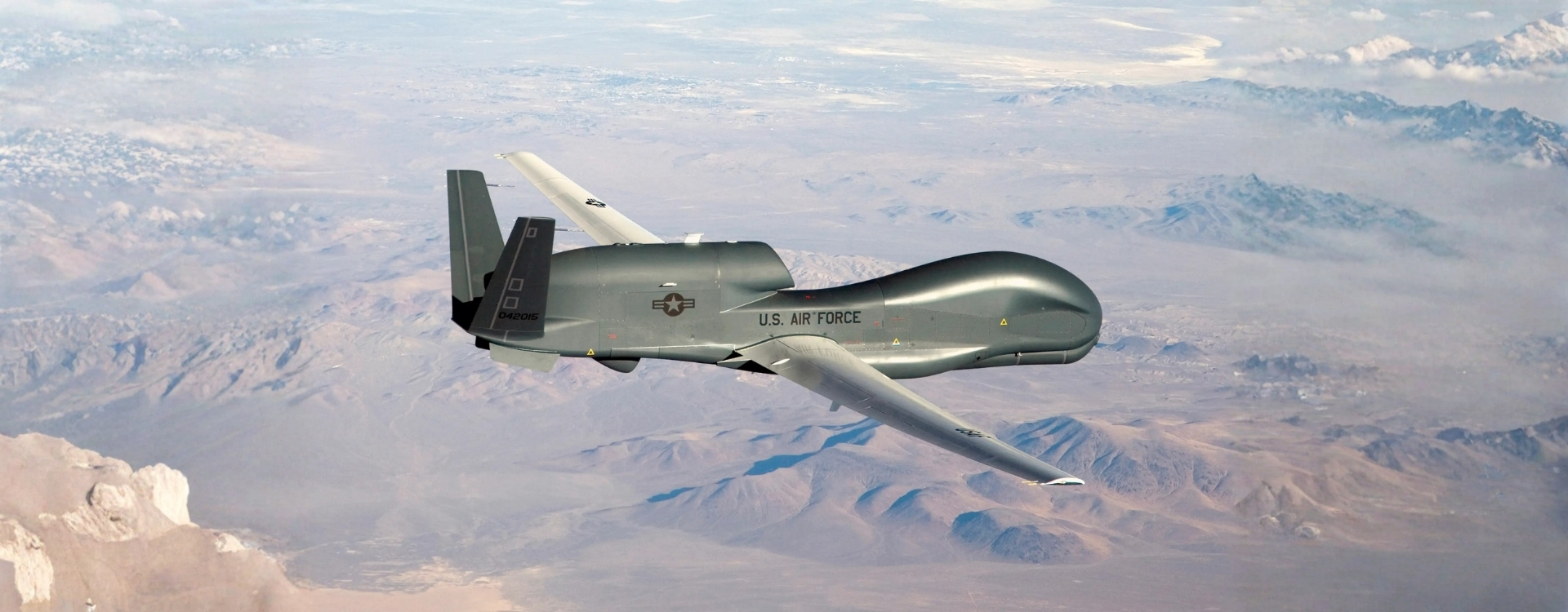
A layered air defense architecture stands out as one of the most effective defensive approaches against aerial threats in modern warfare. Rather than relying on a single defense system, this structure is based on the integrated operation of multiple defense layers, each designed to operate at different ranges and altitudes. From short-range aerial threats to ballistic missiles, this architecture provides broad-spectrum protection by continuously monitoring airspace and neutralizing threats at the earliest possible stage. The first layer typically consists of radar and sensor networks, enabling real-time surveillance of the airspace and rapid threat assessment.
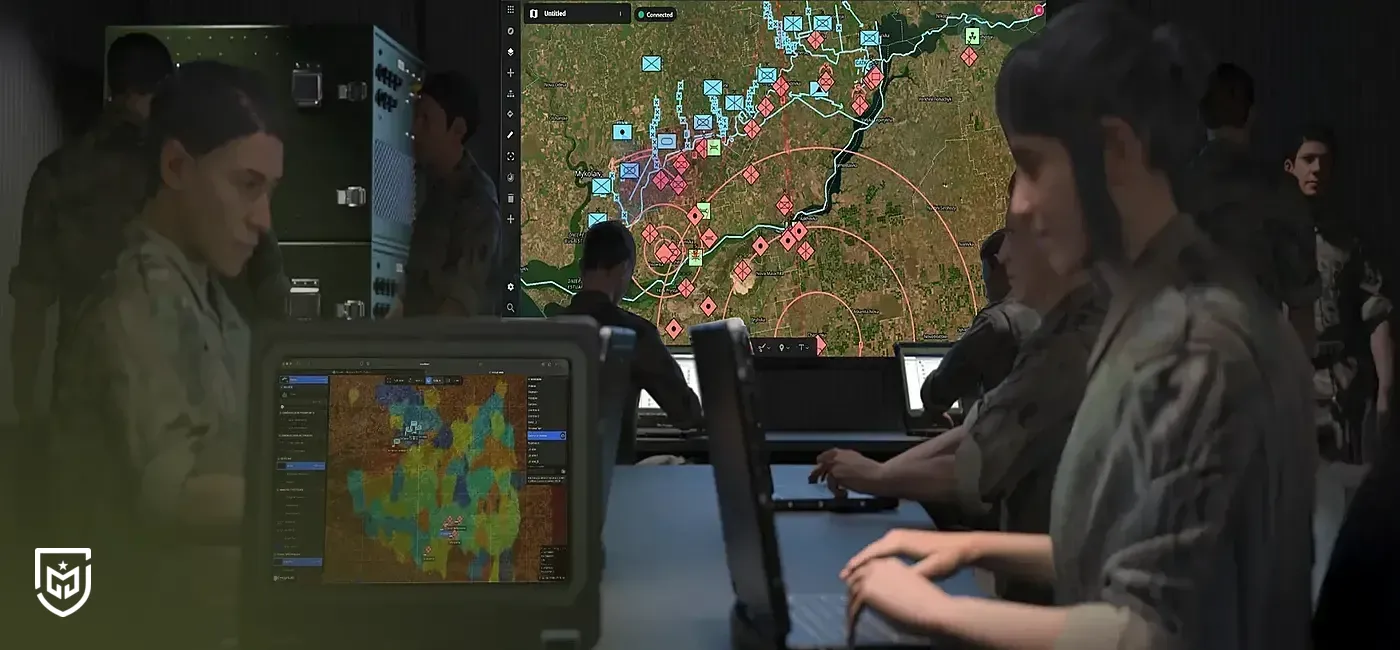
In the second stage of the architecture, command and control centers come into play. These centers process incoming data and determine which defensive asset should engage each specific threat. Short-range systems focus on low-altitude targets, while medium- and long-range defense layers are tasked with intercepting cruise missiles, combat aircraft, and ballistic threats. This coordination between layers ensures continuity of defense and prevents the collapse of the protective shield even if a single system becomes inoperative. Historically, the evolution of aerial threats since the Cold War era has made layered defense a necessity, and today this architecture has become indispensable for protecting strategic facilities, urban areas, and military units.


The cookies used on our website are used to provide you with a better user experience and to improve our website. You can manage your cookie preferences from the options below.





 Süheyla Yıldız