BREAKING NEWS
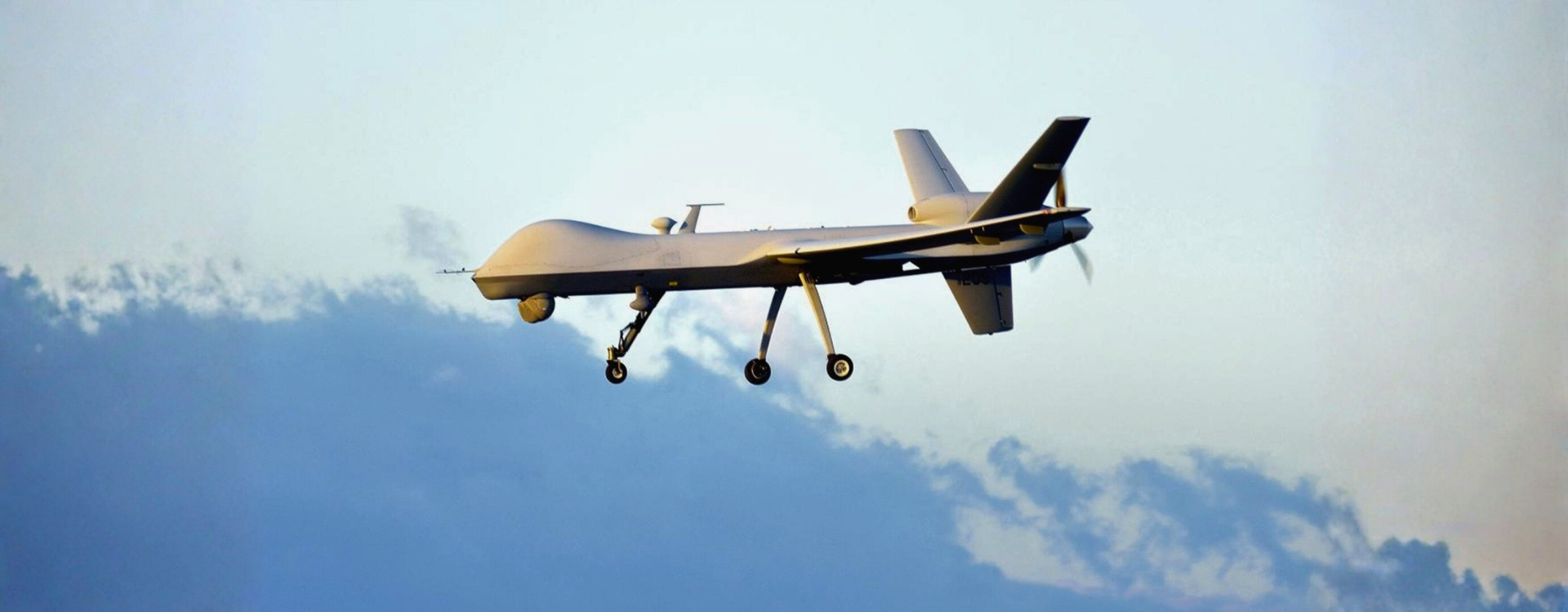
As Unmanned Aerial Vehicles (UAVs) become increasingly common in both military and civilian operations, flight safety has emerged as one of the most critical priorities. At this point, Fail-Safe modes play a vital role by preventing uncontrolled crashes or unintended damage when unexpected situations occur. Fail-Safe systems are automatic safety protocols that activate in cases such as loss of communication, GPS signal disruption, critically low battery levels, or sensor malfunctions. Once triggered, these modes guide the UAV into a pre-defined safe behavior, ensuring operational continuity while minimizing risks to human life and surrounding infrastructure. In modern UAV platforms, Fail-Safe modes are no longer optional add-ons but are regarded as core components of the flight architecture.
From a technical perspective, Fail-Safe modes in UAVs can be configured for multiple scenarios. The Return to Home (RTH) mode enables the UAV to autonomously navigate back to its takeoff point when communication is lost, while Auto Land mode initiates a controlled descent when battery levels reach a critical threshold. Hover or Loiter modes allow the UAV to maintain its position during temporary signal interruptions. Advanced UAV systems further enhance safety through redundant sensors, dual GPS modules, and multiple flight controllers, significantly reducing fault detection time. In military-grade UAVs, Fail-Safe algorithms extend beyond basic recovery actions to include mission aborts, redirection to secure zones, or system lockdown procedures. Historically, as autonomous aerial platforms evolved, the Fail-Safe concept shifted from simple remote-control backups to AI-assisted flight safety frameworks, enabling UAV technologies to become more reliable, predictable, and resilient in complex operational environments.


The cookies used on our website are used to provide you with a better user experience and to improve our website. You can manage your cookie preferences from the options below.



 Süheyla Yıldız