BREAKING NEWS
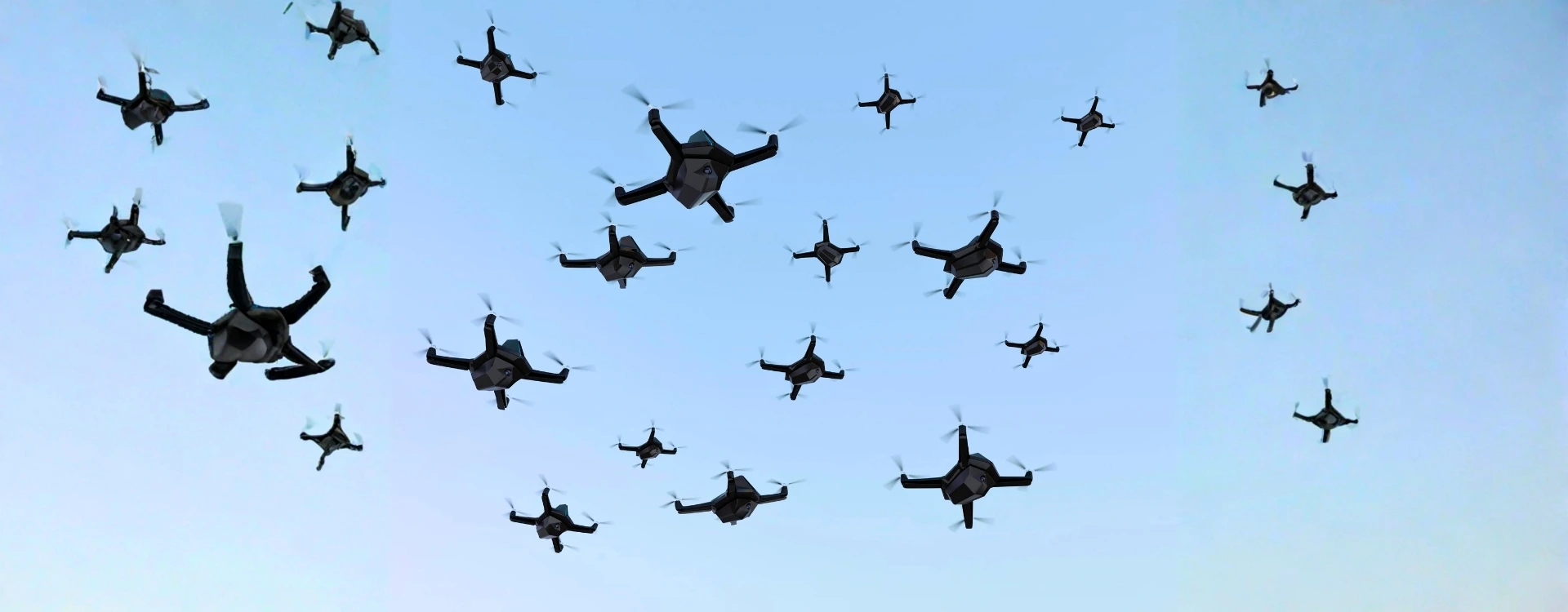
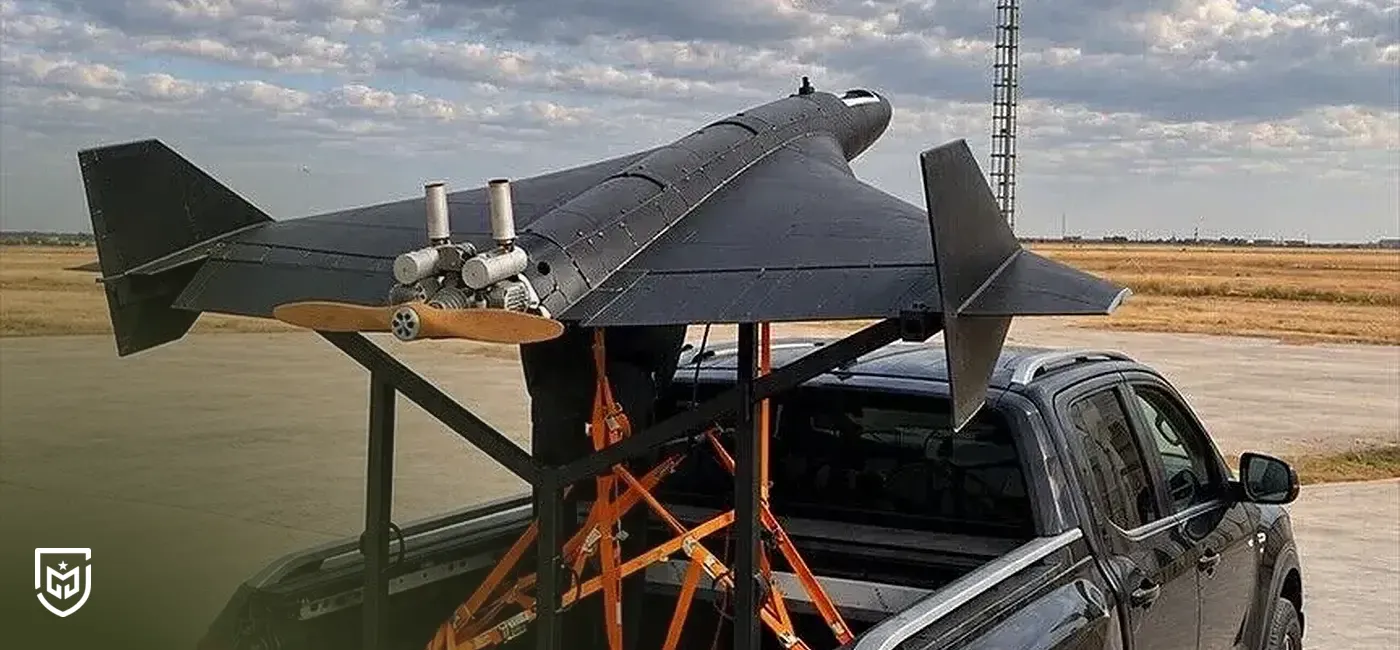
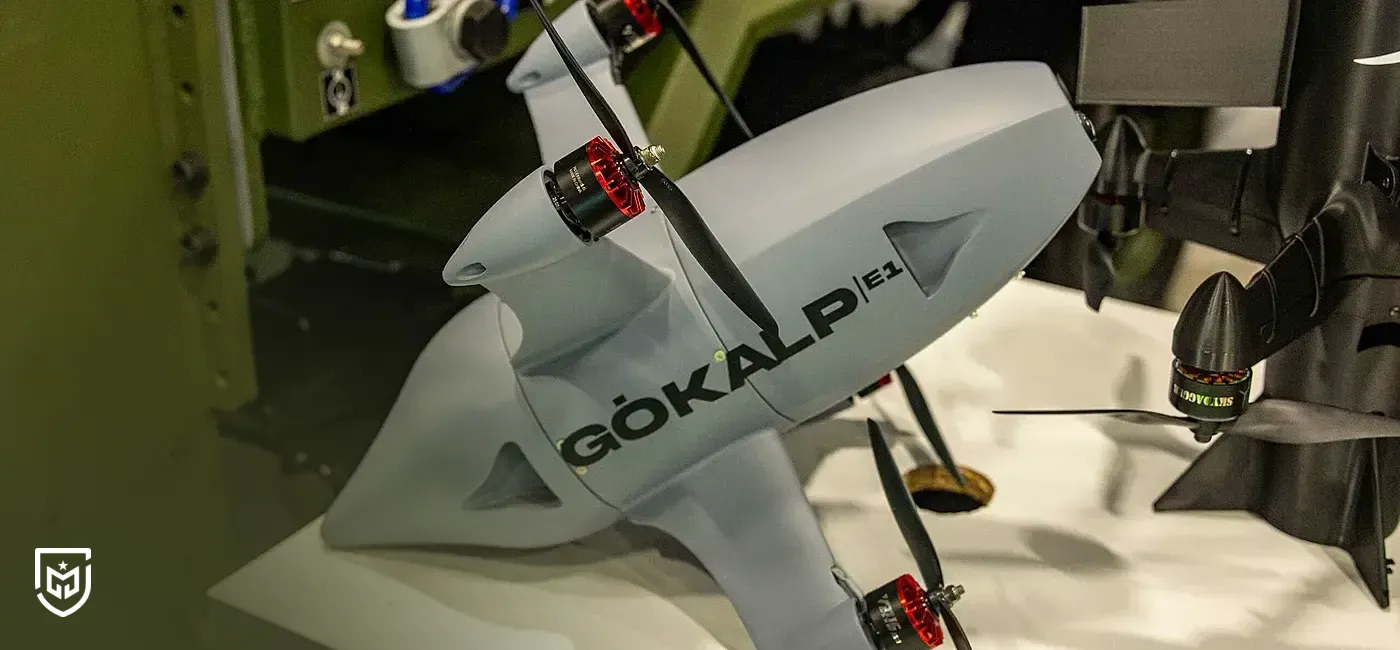
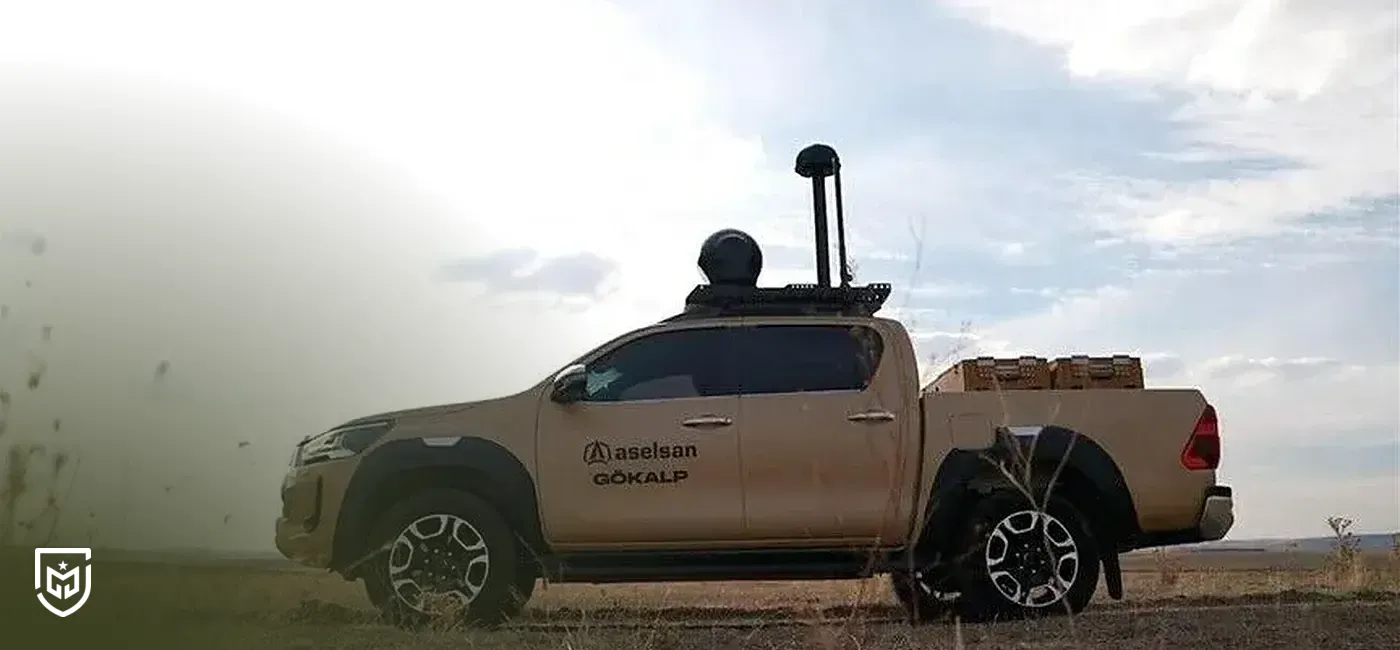
Drone swarm coordination on the battlefield has emerged as one of the most striking elements of modern military doctrines. Unlike traditional unmanned aerial vehicles controlled from a single command center, drone swarms consist of autonomous systems that can communicate with each other, share tasks, and respond instantly to environmental changes. This structure enables reconnaissance, surveillance, and defense missions to be carried out in a faster, more flexible, and cost-effective manner. Its strong potential to reduce human casualties has made drone swarms an indispensable component of contemporary warfare.
From a technical perspective, drone swarm coordination relies on artificial intelligence–driven algorithms, advanced radar and sensor systems, real-time data sharing, and distributed decision-making mechanisms. Each drone is aware of the overall mission objective while also acting independently based on its own position and threat assessment. This capability ensures mission continuity even in environments dominated by electronic warfare. Swarm intelligence allows operations to continue seamlessly even if a single drone is neutralized. Today, this technology is regarded as a cornerstone not only of defense industries but also of future asymmetric warfare scenarios.


The cookies used on our website are used to provide you with a better user experience and to improve our website. You can manage your cookie preferences from the options below.



 Süheyla Yıldız