BREAKING NEWS
Ballistic missile early warning systems are high-technology defense networks designed to detect missile launches from the very first seconds, providing critical reaction time to military and strategic decision-makers. These systems can identify ballistic missiles as they leave the atmosphere and re-enter at extremely high speeds, giving nations a decisive advantage in preparing interception operations and issuing civil defense alerts. In a world where threats evolve rapidly, these systems serve not only as protective shields but also as essential deterrence tools for national security.
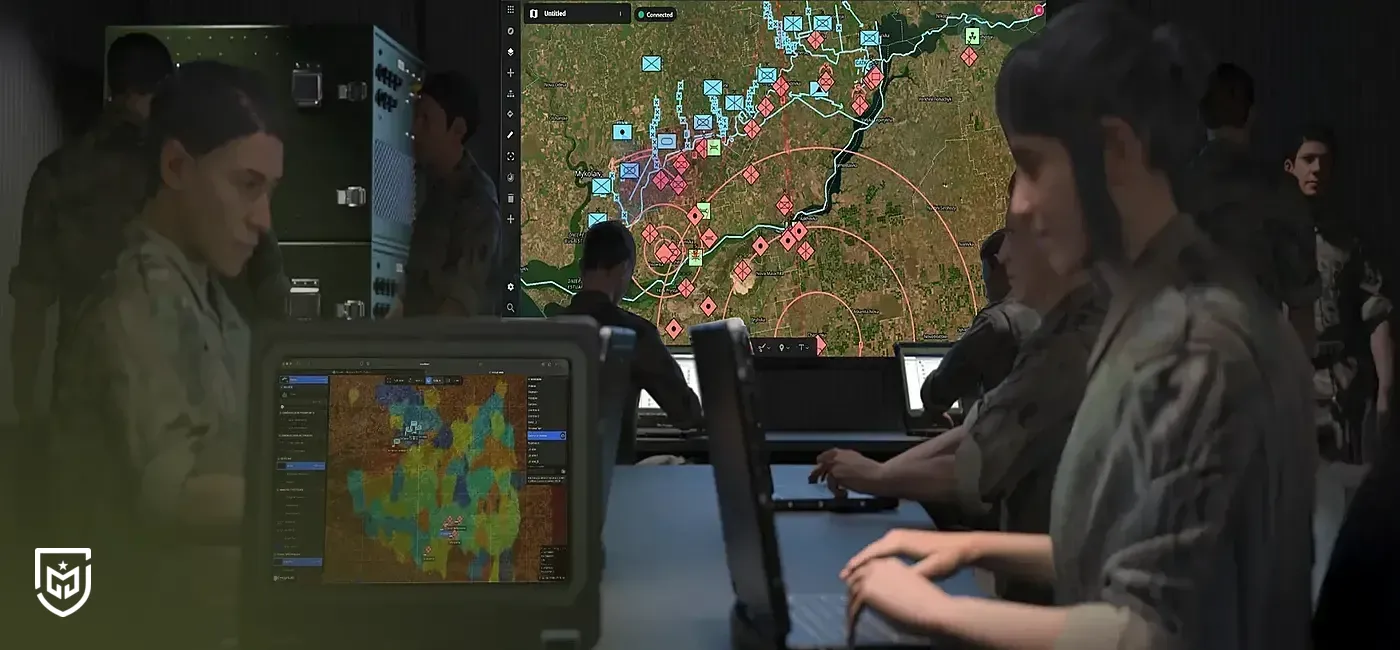
Technically, ballistic missile early warning systems integrate high-power radars, infrared tracking satellites, and advanced command-and-control infrastructures. While ground-based radars track the missile's boost and midcourse phases, infrared satellites detect the heat signature generated during launch. All gathered data is transferred to a centralized command network, where threats are analyzed instantly. AESA radar technology enhances long-range detection performance and offers superior resistance against electronic interference. The early warning information produced by these systems triggers a series of critical actions—from preparing interceptor missiles to activating emergency protocols. As a result, ballistic missile early warning systems form one of the foundational pillars of modern defense architecture.


The cookies used on our website are used to provide you with a better user experience and to improve our website. You can manage your cookie preferences from the options below.




 Rabia Kılıç