BREAKING NEWS
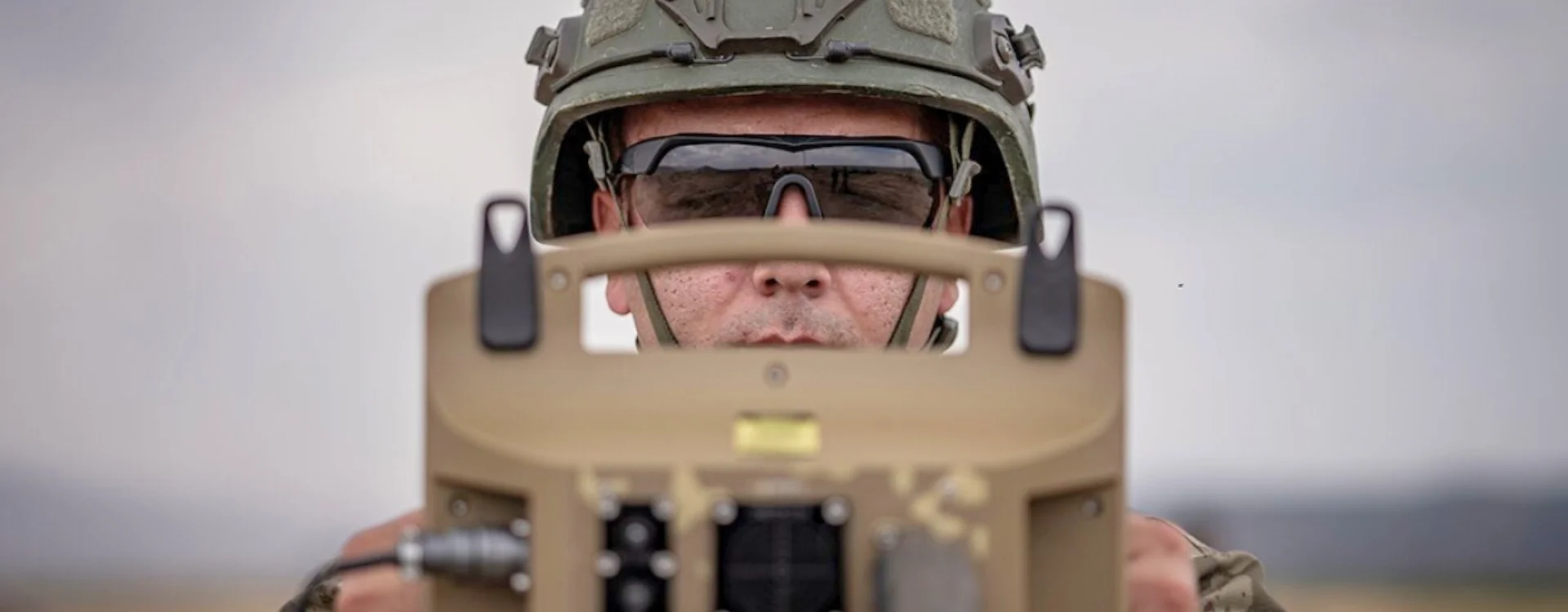
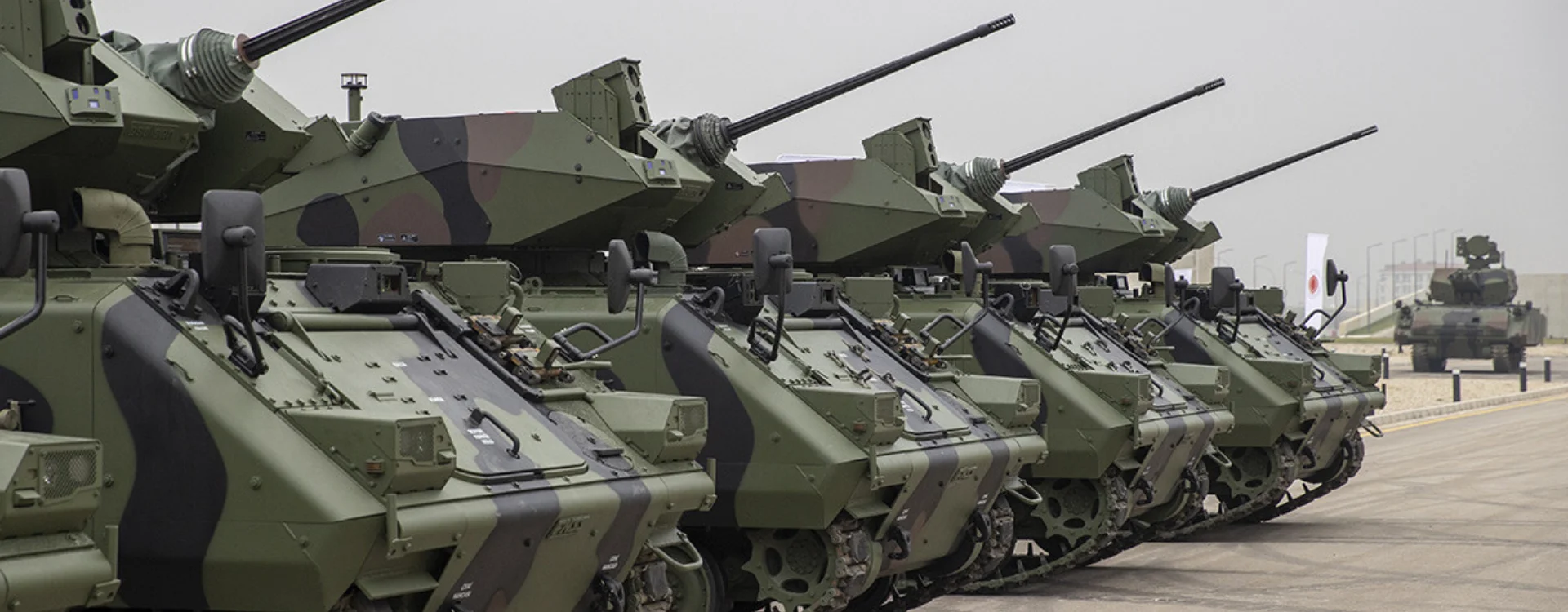
Sensor integration in land systems stands out as one of the most critical technologies providing information superiority on the modern battlefield. Thanks to advanced sensors used on armored vehicles, unmanned ground vehicles, and mobile defense platforms, threats can be detected earlier, decision-making processes accelerate, and operational success rates increase significantly. Sensor integration does not simply mean collecting data; it means transforming collected data into meaningful intelligence to gain real-time tactical advantage. In today’s military land systems, radar, thermal cameras, LiDAR, and electro-optical sensors operate as a unified structure to establish full situational awareness in the field.
From a technical perspective, sensor integration in land systems is achieved by connecting radar systems, electro-optical reconnaissance sensors, acoustic detection modules, and laser rangefinders to a central mission computer. Active protection systems, in particular, can detect incoming anti-tank threats within milliseconds and generate countermeasures instantly. Although primarily known as an air defense platform, the Iron Dome system, which became operational in 2011, represents a significant example of successful sensor fusion technology in military applications. Today’s sensor fusion architectures used in land platforms operate in conjunction with data fusion algorithms, AI-supported target recognition systems, and network-centric warfare doctrines. Through this integration, individual sensor vulnerabilities are minimized while ensuring high accuracy and low latency across the entire system. Especially in modern armored combat vehicles, integrated 360-degree situational awareness sensor networks play a decisive role in urban operations.


The cookies used on our website are used to provide you with a better user experience and to improve our website. You can manage your cookie preferences from the options below.



 Süheyla Yıldız