BREAKING NEWS
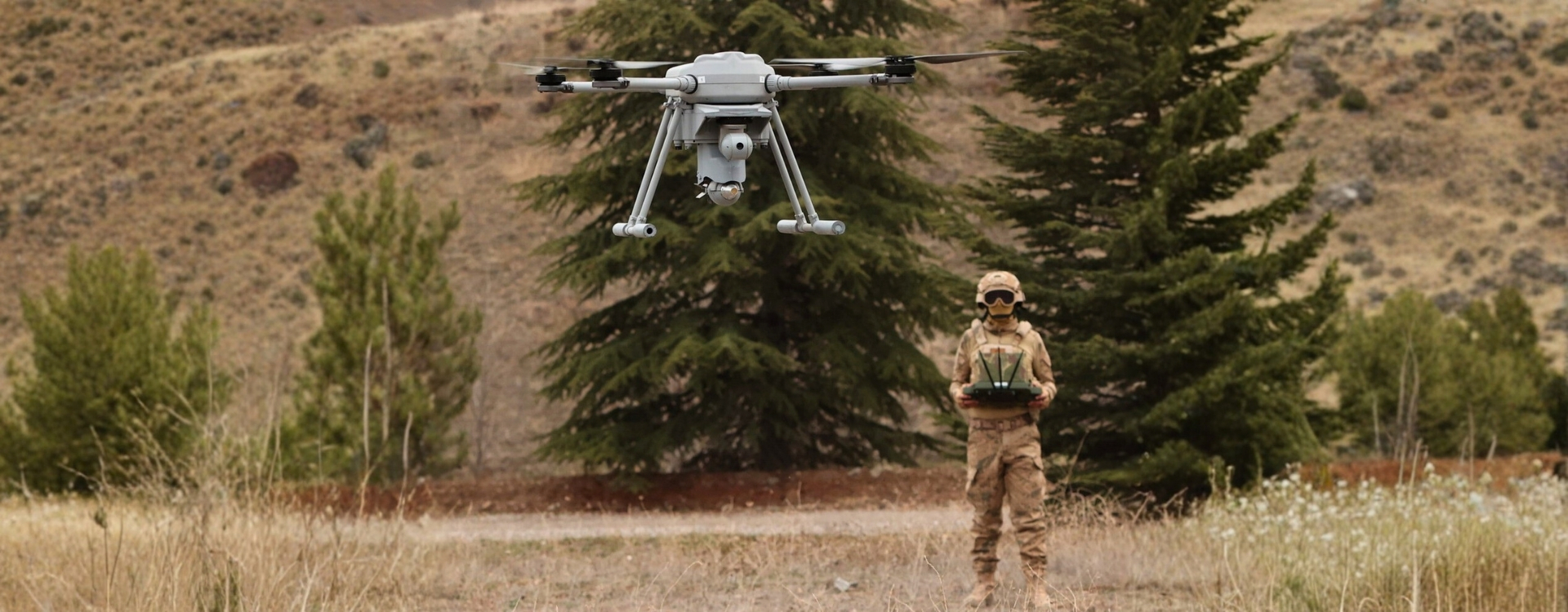
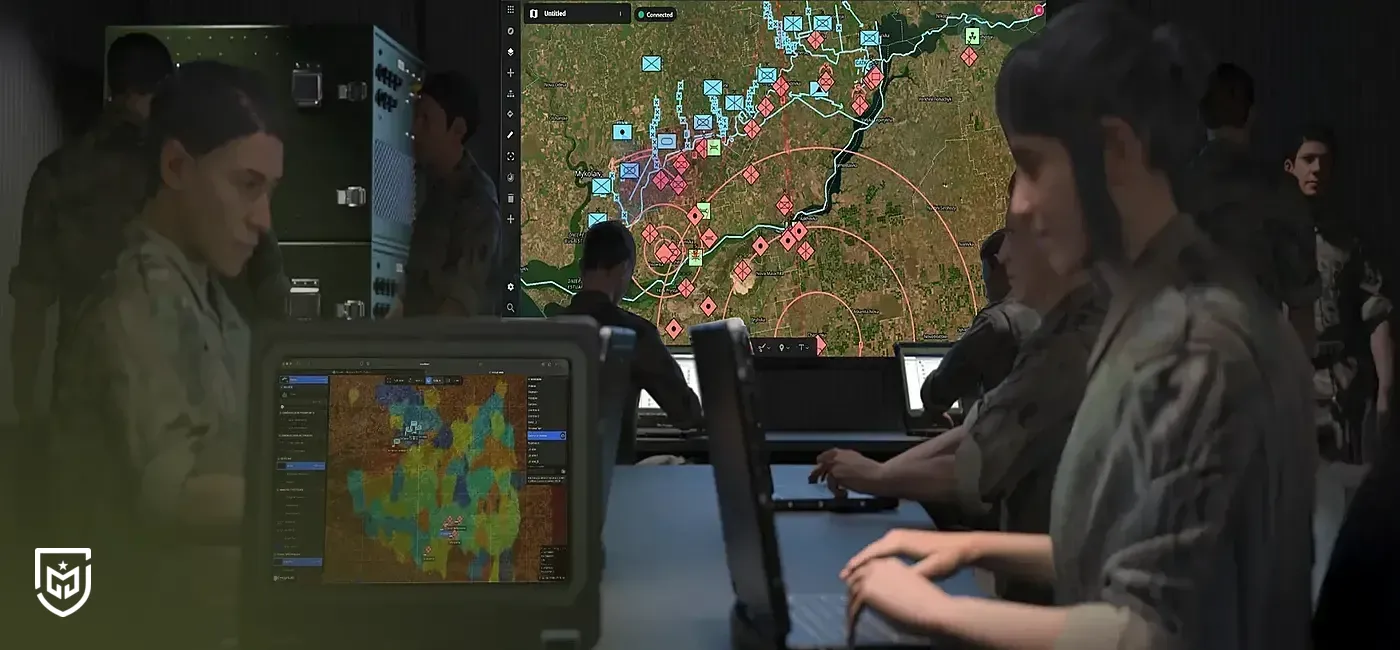
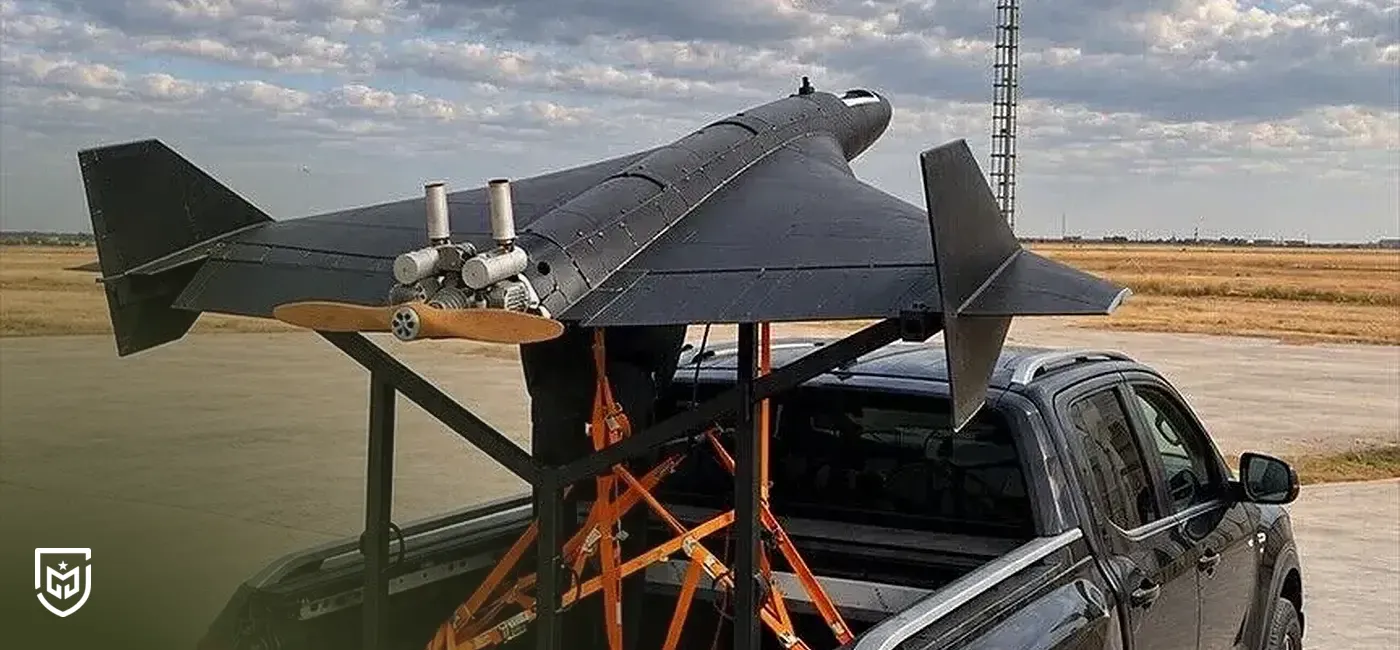
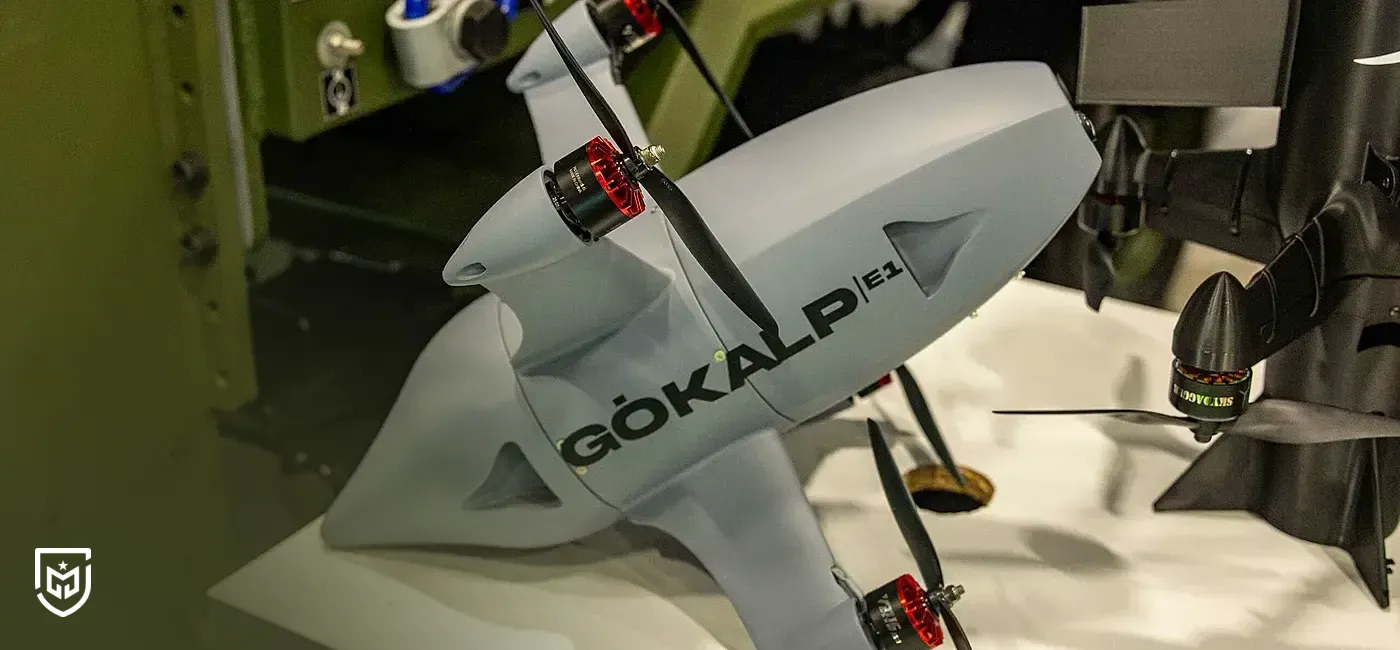
Autonomous UAV decision-making mechanisms refer to the critical technological infrastructure that enables unmanned aerial vehicles to perceive their environment, analyze situations, and take appropriate actions without human intervention. Widely used across modern battlefields and civilian applications, these systems provide significant advantages in terms of speed, precision, and operational continuity. Thanks to autonomous decision capabilities, UAVs can perform complex tasks such as threat detection, route planning, mission prioritization, and adaptation to rapidly changing conditions in real time. Unlike traditional remote-controlled platforms, this approach delivers a data-driven, self-learning, and adaptive operational model.
From a technical perspective, autonomous UAV decision mechanisms are built upon sensor fusion, artificial intelligence algorithms, and machine learning models. Data collected from radar, electro-optical cameras, infrared sensors, and GPS systems are combined to create comprehensive situational awareness. Deep learning-based algorithms then analyze this data to execute processes such as target recognition, threat classification, and selection of the optimal course of action. In particular, UAV swarm concepts rely heavily on both individual and collective decision-making capabilities. This enables mission sharing, collision avoidance, and dynamic target tracking. Beyond military use, autonomous decision-making systems are becoming indispensable technologies in civilian fields such as search and rescue, border security, agriculture, logistics, and critical infrastructure inspection.


The cookies used on our website are used to provide you with a better user experience and to improve our website. You can manage your cookie preferences from the options below.



 Süheyla Yıldız