BREAKING NEWS
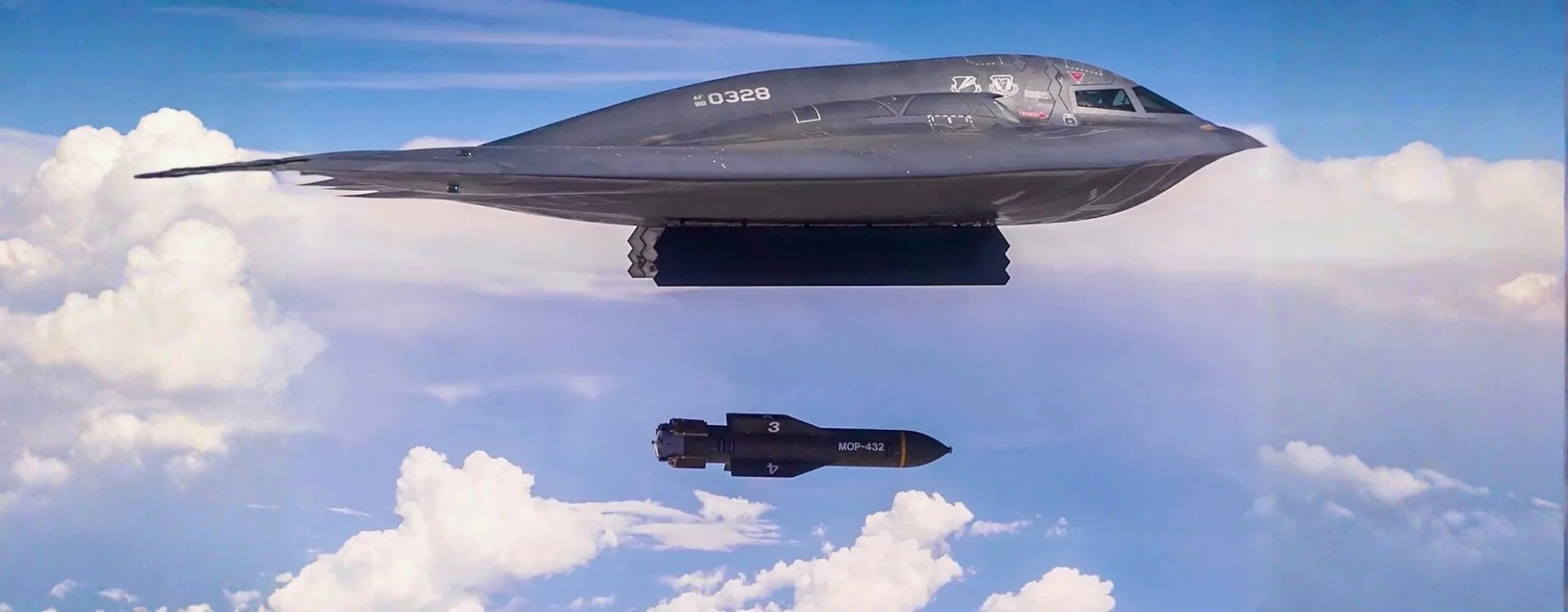
Autonomous target prioritization has emerged as a critical capability that fundamentally transforms decision-making processes in modern defense and security technologies. In its simplest form, this concept refers to a system’s ability to detect, analyze, and decide which threats are the most urgent or dangerous without human intervention. In today’s complex combat environments, dozens or even hundreds of potential targets can appear simultaneously. Autonomous target prioritization minimizes time loss, accelerates defensive reactions, and significantly reduces the risk of engaging the wrong target. Especially in air defense systems, unmanned aerial vehicles, and border security solutions, this capability has become one of the most decisive yet invisible elements of modern warfare.
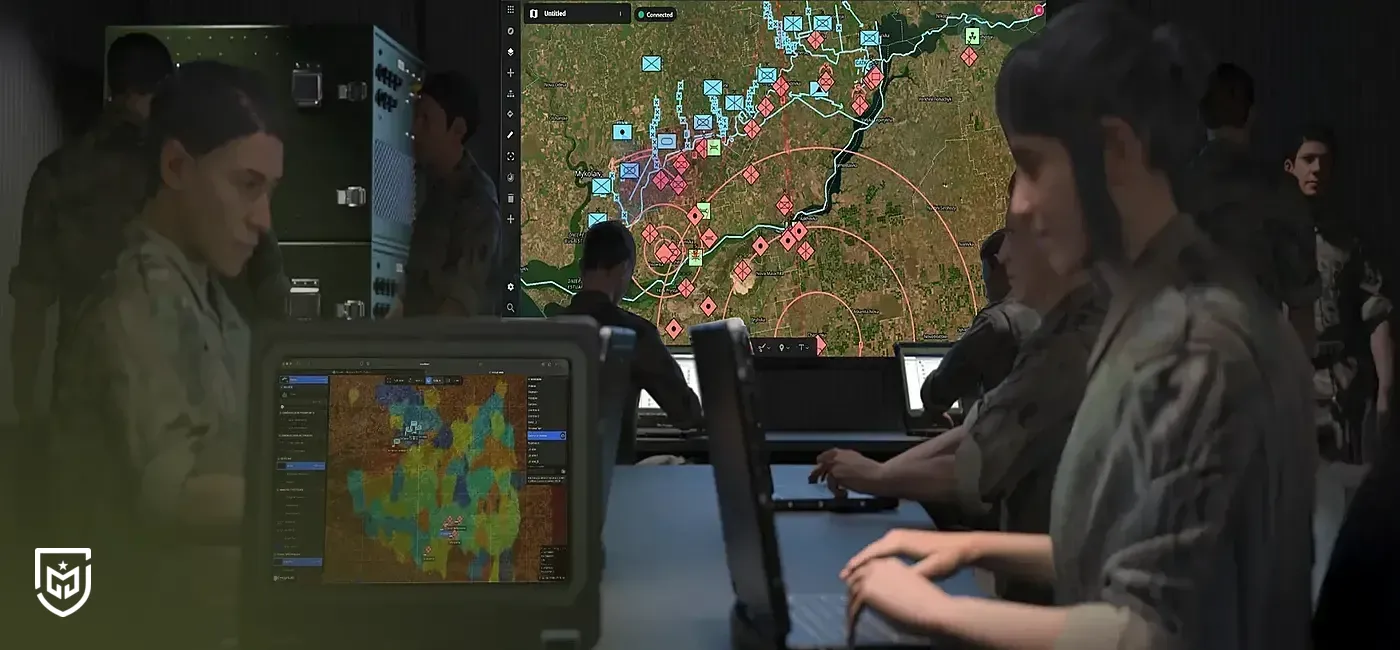
From a technical perspective, autonomous target prioritization is made possible through the combined use of artificial intelligence algorithms, machine learning, radar data, sensor fusion, and real-time data analysis. The system simultaneously evaluates parameters such as target speed, direction, range, potential threat level, and proximity to protected areas. Based on this assessment, the most dangerous targets are automatically ranked at the top, ensuring that defensive resources are used in the most efficient way. Historically, defense systems relied heavily on human operators for such decisions; however, with autonomous target prioritization, decision-making times have been reduced to seconds or even milliseconds. This transformation is reshaping not only military operations but also the protection of critical infrastructure, border security, and strategic facilities, redefining the very meaning of modern security.


The cookies used on our website are used to provide you with a better user experience and to improve our website. You can manage your cookie preferences from the options below.




 Süheyla Yıldız