BREAKING NEWS
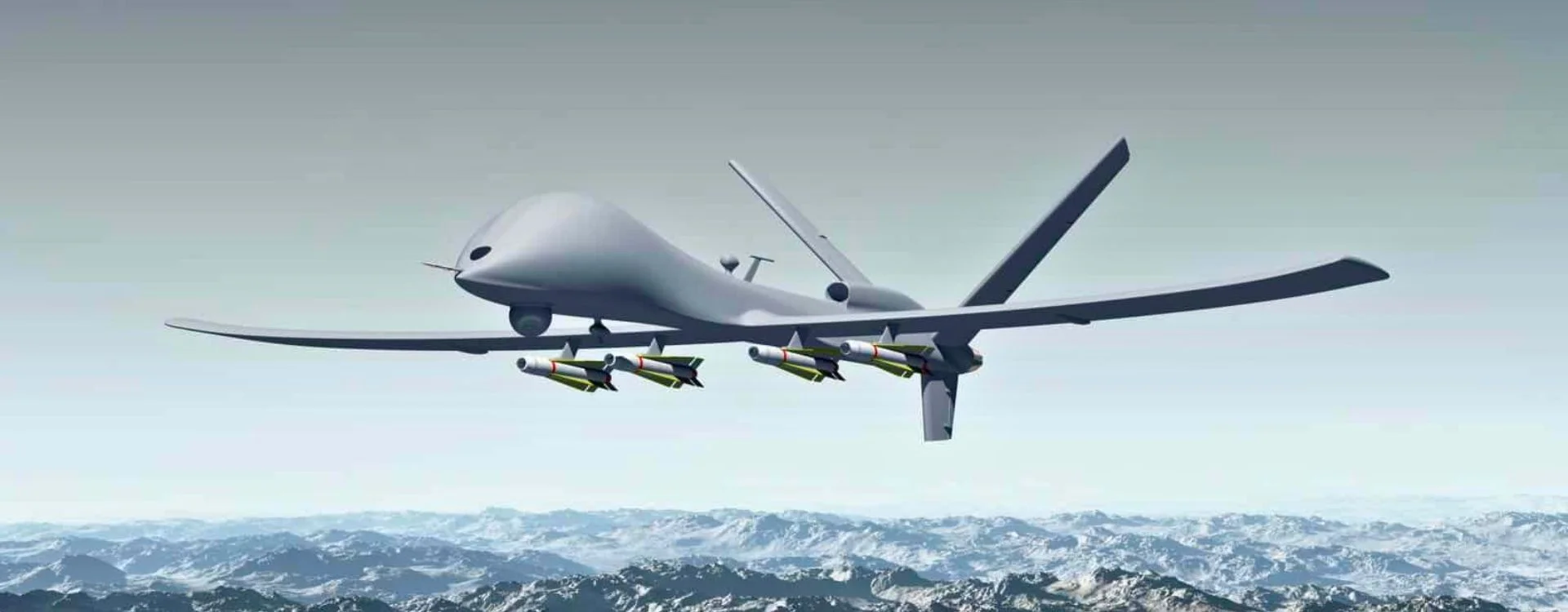
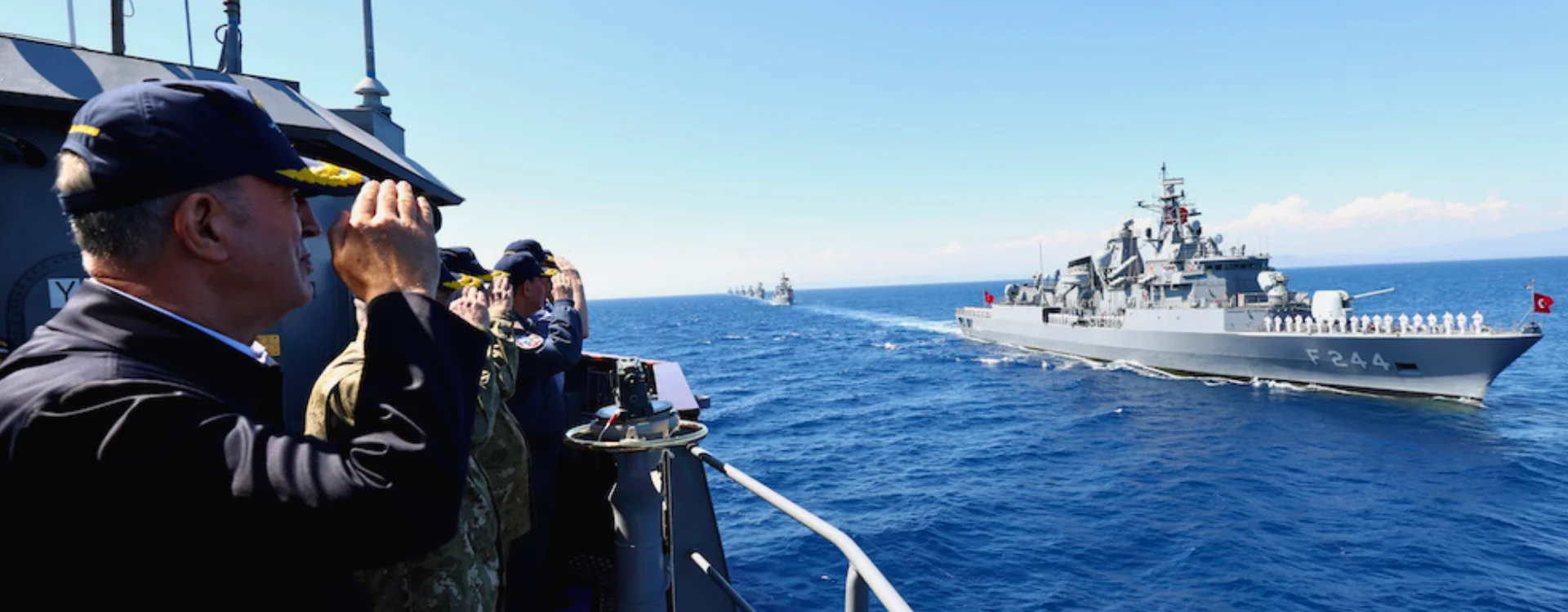
Autonomous target detection algorithms represent one of the most critical software-driven capabilities in modern defense technologies, delivering speed, accuracy, and decision superiority on the battlefield. Today’s combat environment is defined by dense data flows, multiple simultaneous threats, and extremely short reaction times. Under these conditions, it becomes increasingly difficult for human operators to analyze all incoming sensor data in real time. Autonomous target detection enables defense systems to process data from radar, electro-optical, infrared, and acoustic sensors, allowing targets to be identified and classified without direct human intervention. As a result, threats can be detected earlier and neutralized with greater precision.
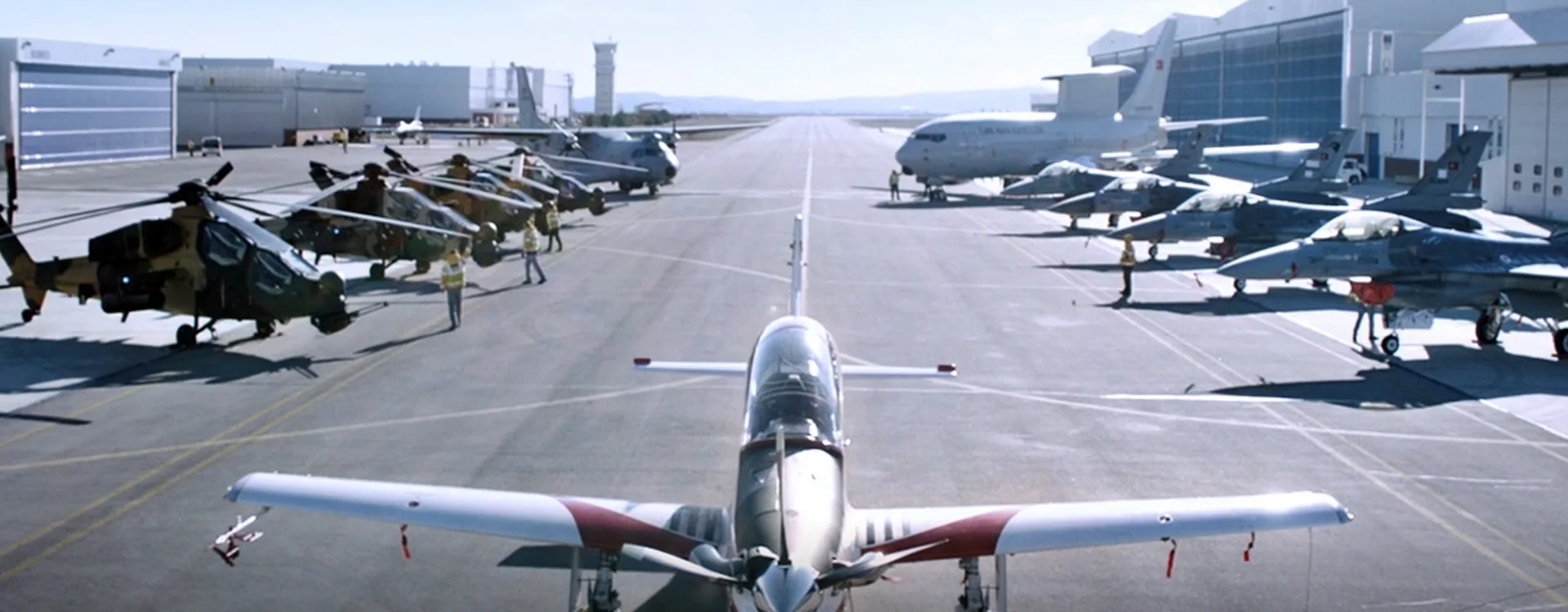
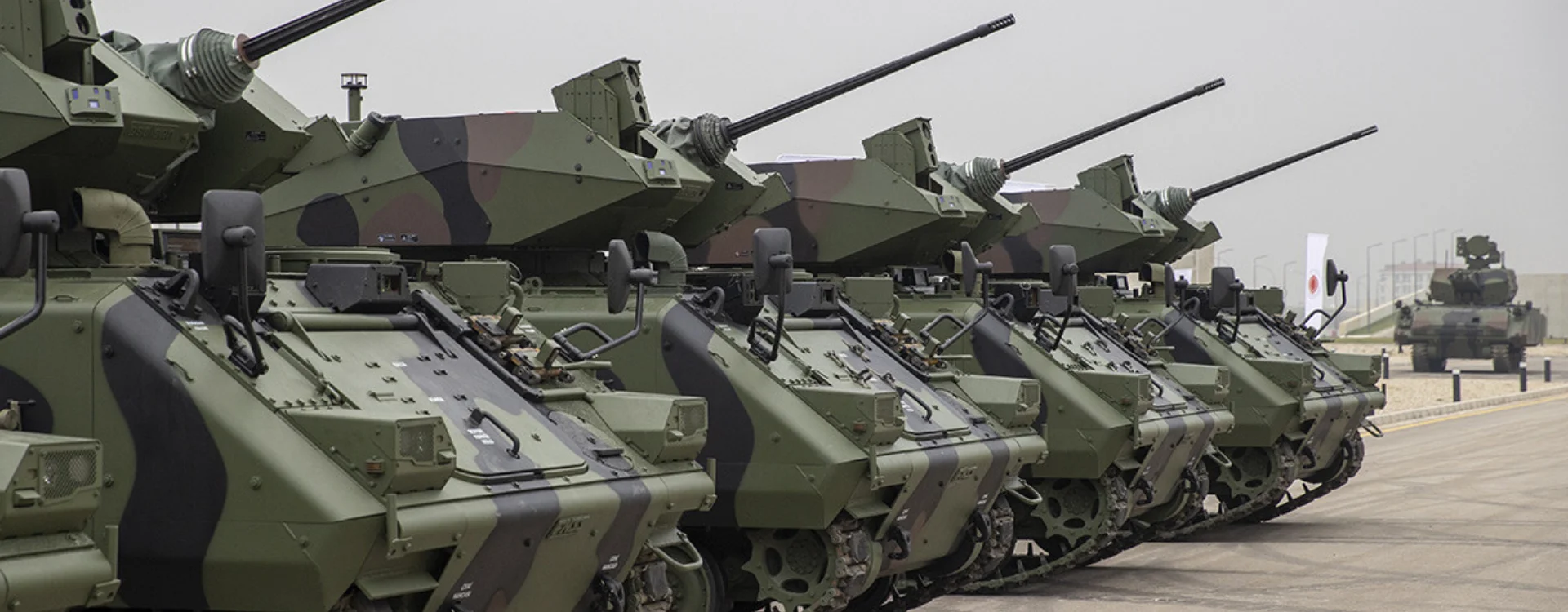
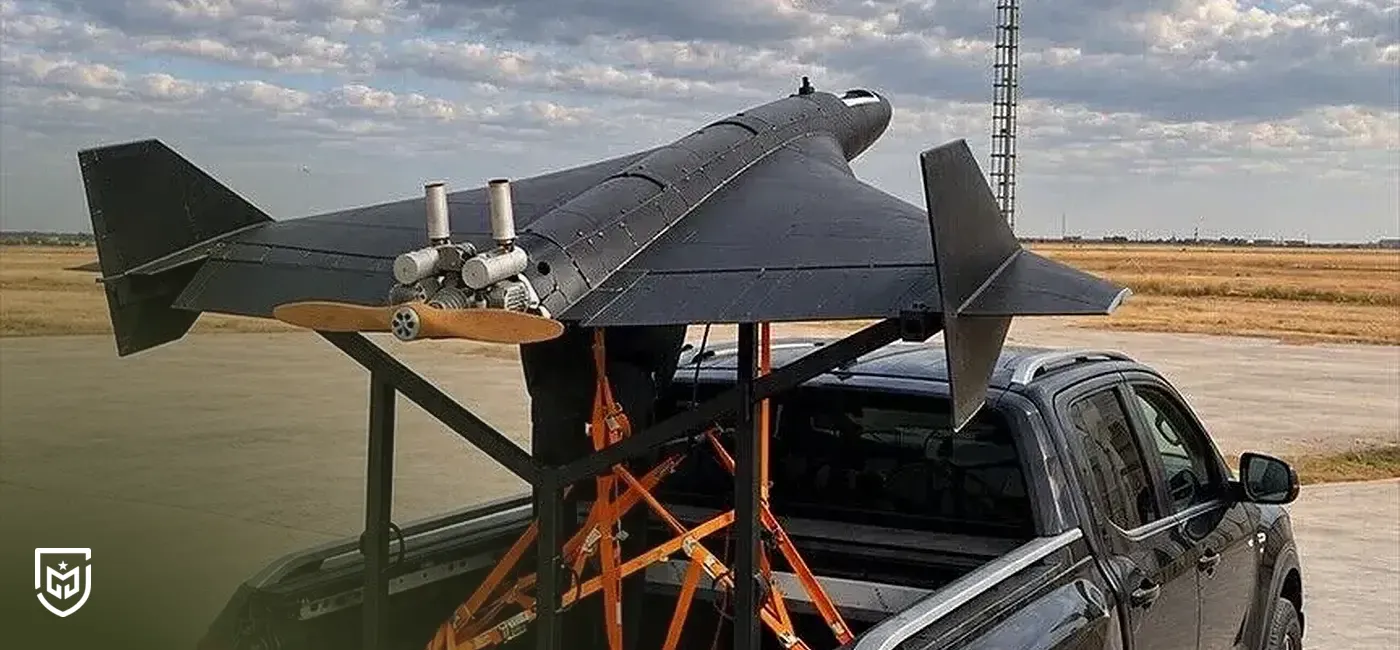
From a technical standpoint, autonomous target detection algorithms are built upon machine learning, deep learning, and computer vision models. These algorithms are trained using large datasets, enabling capabilities such as friend-or-foe identification, target prioritization, and movement pattern analysis. Through multi-sensor fusion, information from diverse sources is combined into a single decision-making framework, ensuring that false alarm rates are reduced to a minimum. Widely deployed in unmanned aerial vehicles, autonomous ground systems, and naval platforms, these algorithms operate in real time and adapt to dynamic threat environments. Recent advances in adaptive and self-learning artificial intelligence models have elevated autonomous target detection systems from a supporting function to a decisive, game-changing element of modern warfare decision-making.


The cookies used on our website are used to provide you with a better user experience and to improve our website. You can manage your cookie preferences from the options below.



 Rabia Kılıç