BREAKING NEWS
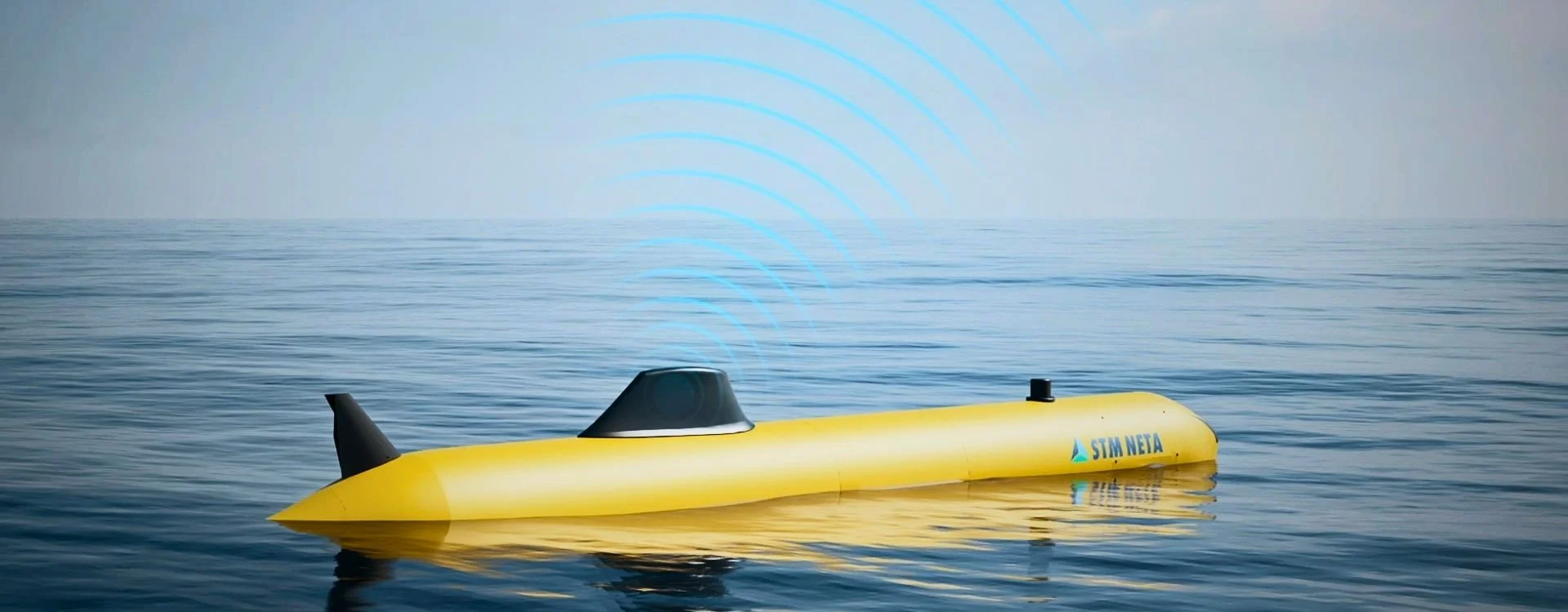
Autonomous submarine systems stand out as one of the most strategic components of modern naval warfare concepts. Capable of operating without direct human intervention, these systems deliver high effectiveness in missions such as reconnaissance, surveillance, mine detection, anti-submarine warfare, and the protection of critical underwater infrastructure. At first glance, they may appear as purely advanced technological platforms, yet autonomous submarines significantly enhance naval operational capability through their advantages in silent operations, reduced risk, and long-endurance missions. Their ability to operate efficiently in deep-sea environments—where manned platforms face serious limitations—has made them indispensable for modern navies.
From a technical standpoint, autonomous submarine systems are equipped with advanced sonar technologies, sensor networks, artificial intelligence–driven navigation algorithms, and secure data communication infrastructures. These capabilities allow them to analyze environmental data, determine optimal routes, classify potential threats, and make independent decisions based on mission priorities. Beyond military use, they are also actively employed in harbor security, protection of undersea cable lines, and monitoring of strategic maritime chokepoints. Today, many countries and military alliances are reshaping their naval defense doctrines around these systems. Maritime security approaches developed within NATO clearly demonstrate the critical role of autonomous submarine systems within multi-layered defense architectures. In the future, these platforms are expected to become game-changing forces at sea through swarm technologies and more advanced artificial intelligence capabilities.


The cookies used on our website are used to provide you with a better user experience and to improve our website. You can manage your cookie preferences from the options below.




 Rabia Kılıç