BREAKING NEWS
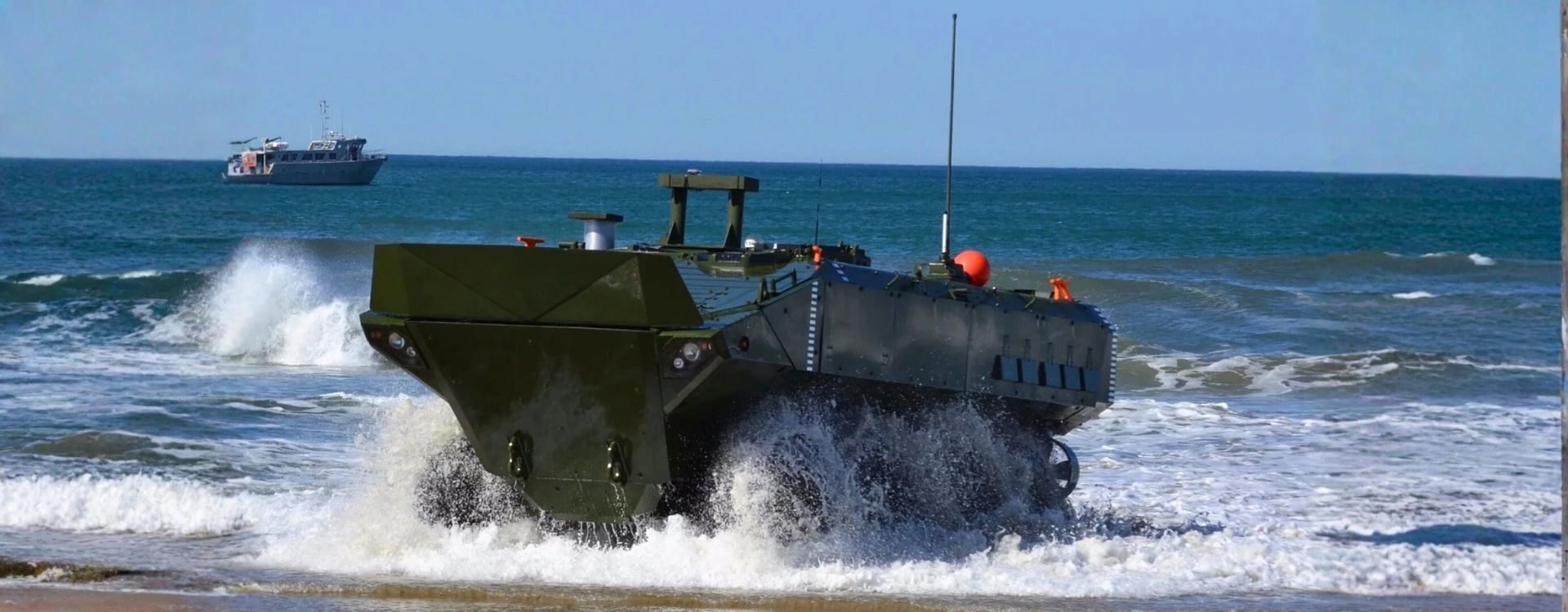
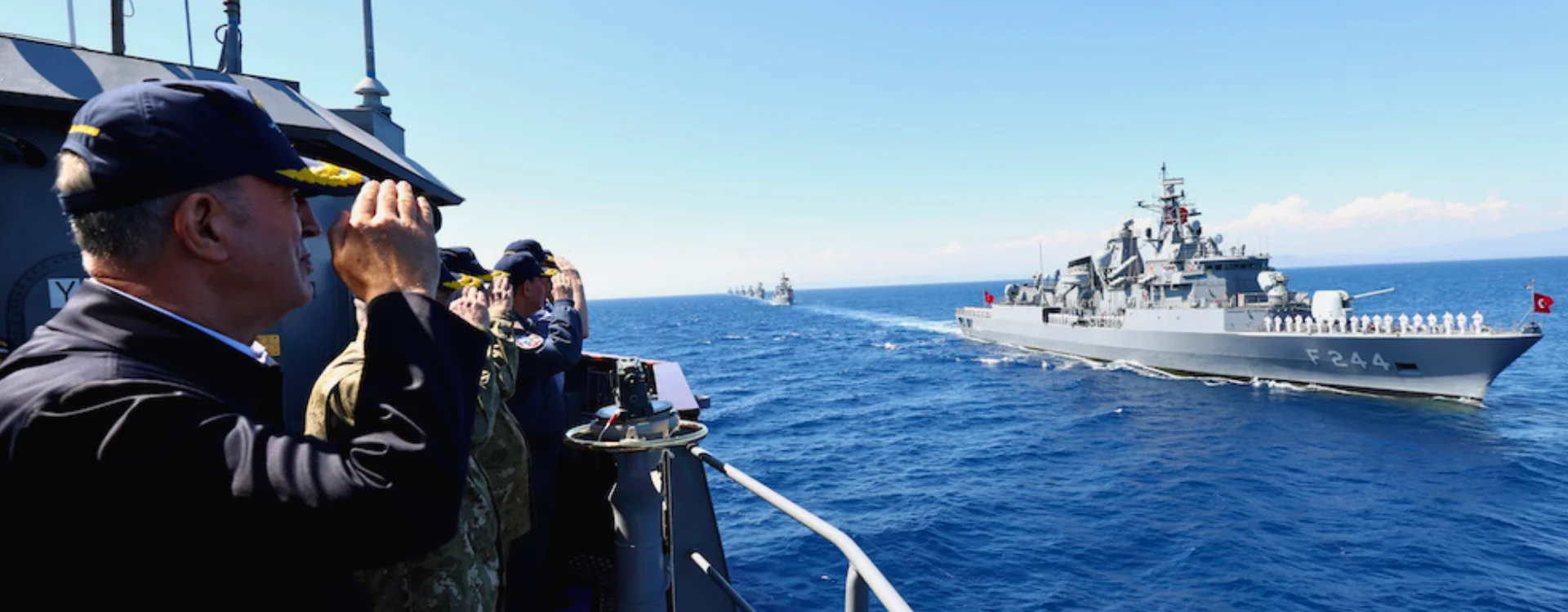
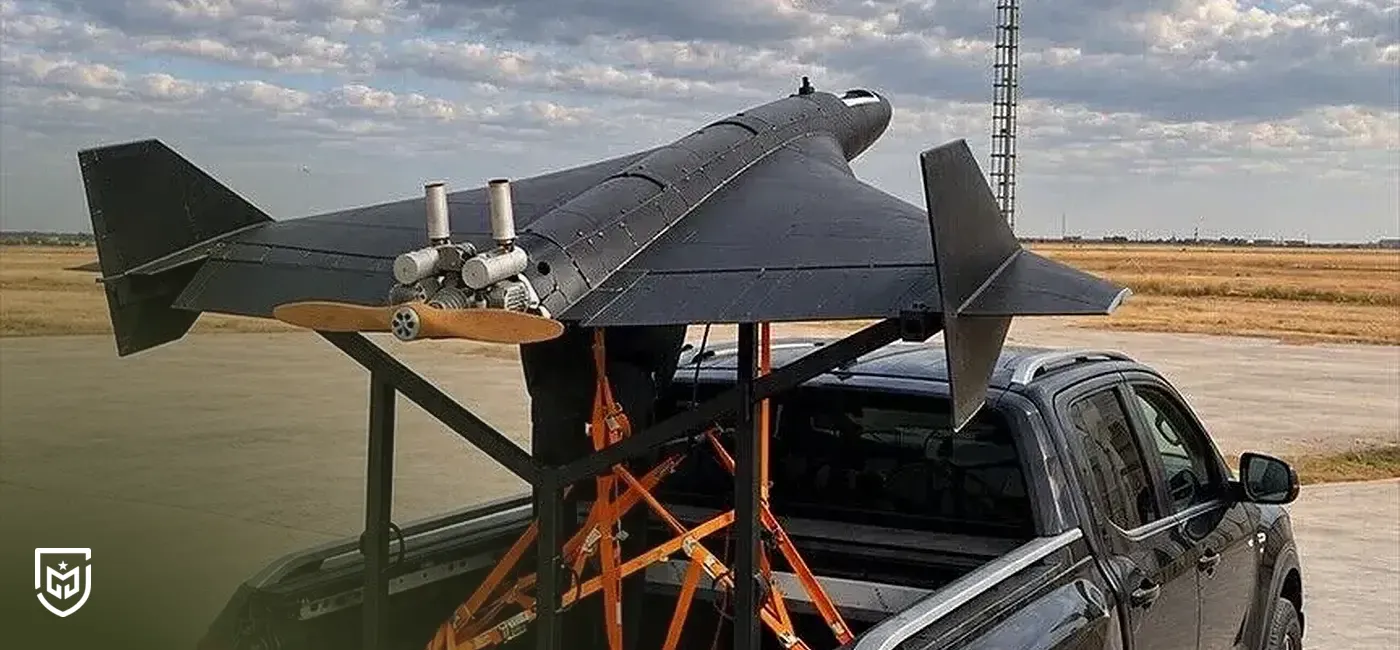
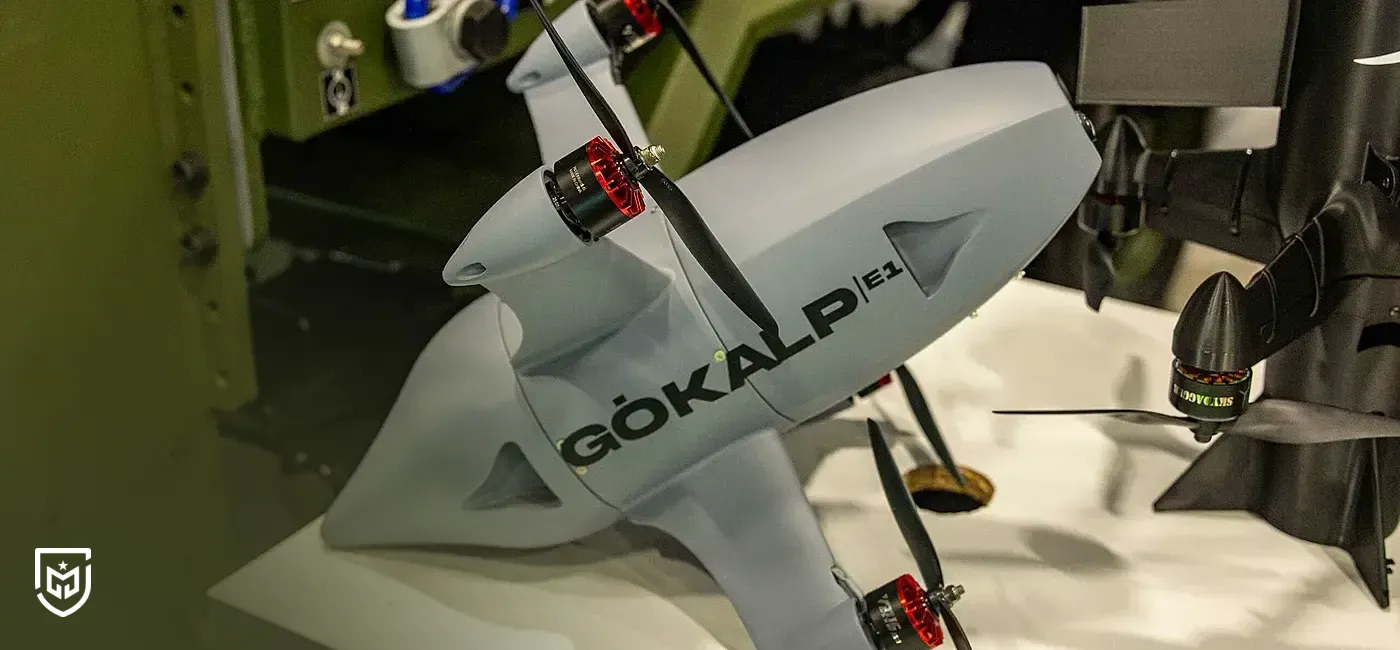
Maritime asymmetric warfare has emerged as a transformative combat concept that challenges traditional naval superiority and reshapes contemporary maritime security. Practiced by non-state armed groups or actors with limited naval capacity, this approach relies on the use of low-cost yet high-impact systems against expensive and technologically advanced warships. Fast attack boats, kamikaze-style unmanned surface vehicles, concealed naval mines, and shore-based missile systems stand out as the most common elements of maritime asymmetric warfare. Narrow straits, port entrances, and coastal waters significantly amplify the effectiveness of such threats, underscoring that naval dominance today depends not only on fleet size but also on early detection and rapid response capabilities.
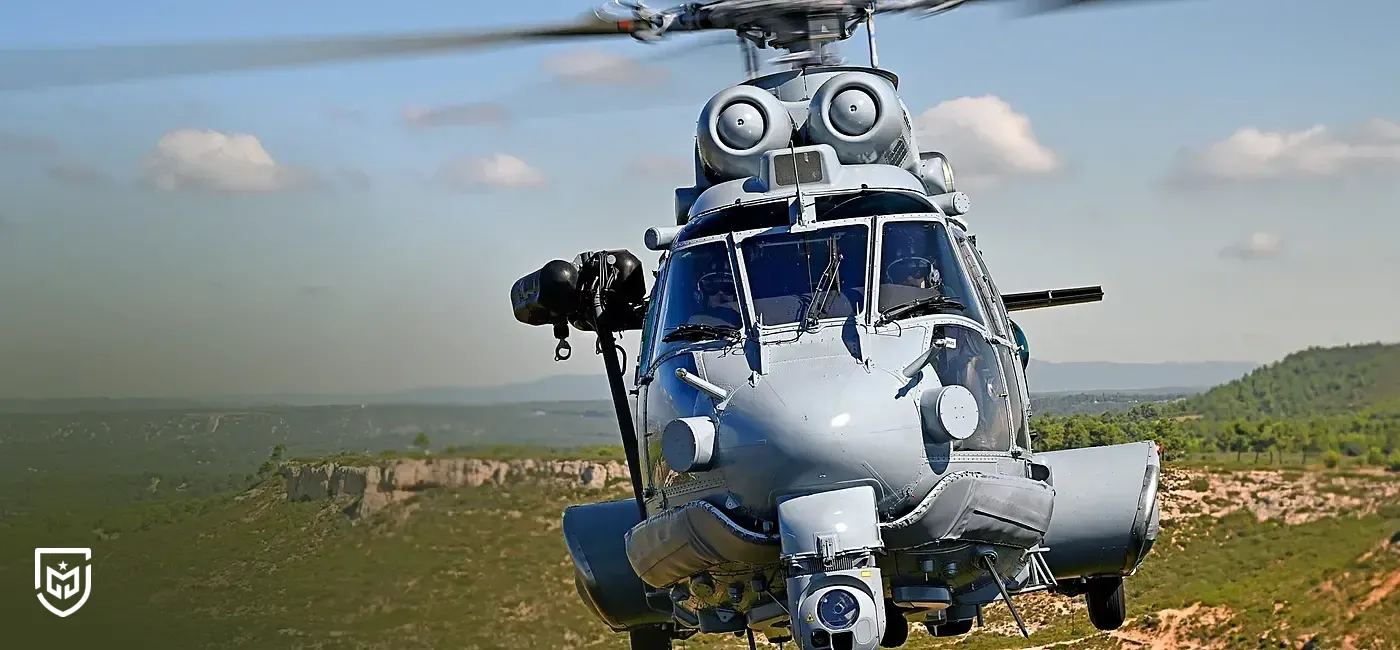
From a technical perspective, maritime asymmetric warfare is closely linked to sensor technologies, radar networks, electro-optical systems, and integrated command-and-control structures. Modern navies counter these threats through close-in weapon systems, armed unmanned aerial vehicles, and advanced electronic warfare solutions. At the same time, a multi-layered defense concept is adopted to detect and neutralize threats before they reach open waters. Maritime asymmetric warfare is critical not only in military terms but also for energy security, the protection of global trade routes, and port safety. Consequently, future naval doctrines will continue to prioritize flexible, rapid, and technology-driven solutions to effectively counter asymmetric threats at sea.


The cookies used on our website are used to provide you with a better user experience and to improve our website. You can manage your cookie preferences from the options below.




 Süheyla Yıldız