BREAKING NEWS
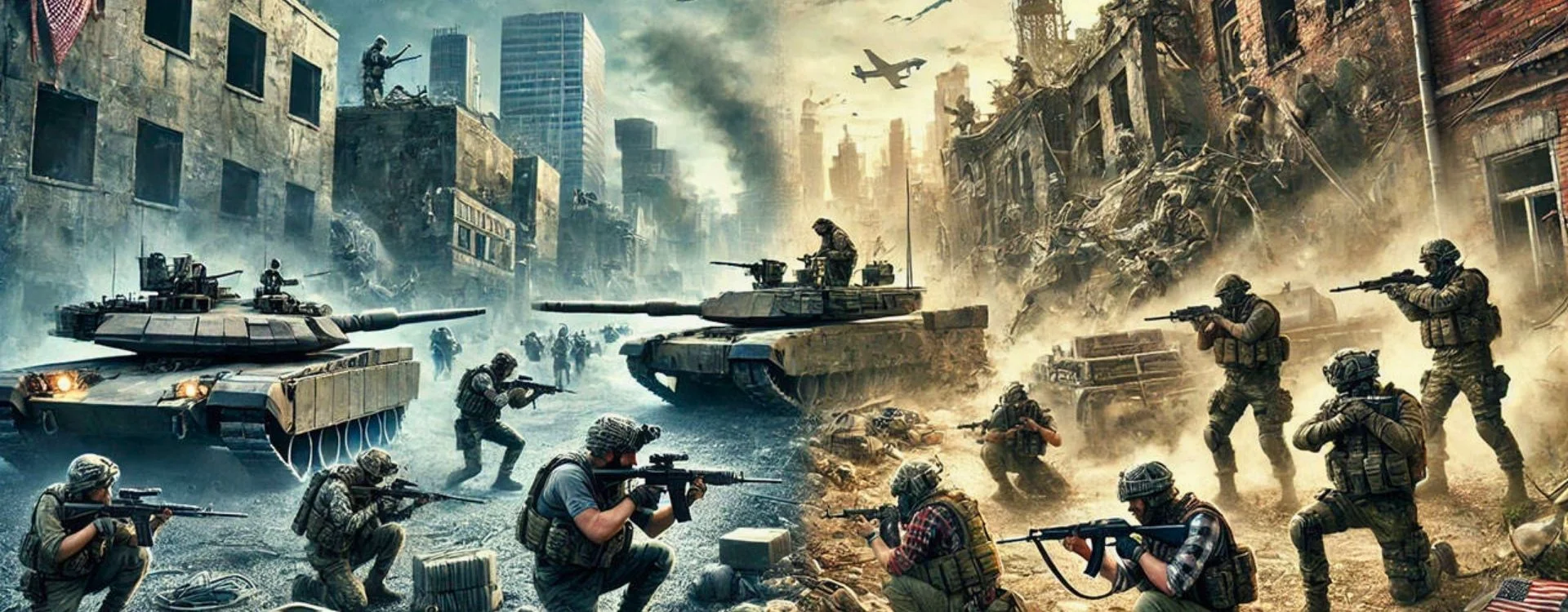
Asymmetric warfare refers to conflict scenarios in which there is a significant imbalance in military power, technology, or resources between opposing sides. In such conflicts, weaker actors avoid direct conventional battles and instead rely on flexible, unpredictable, and low-cost methods to counter stronger forces. In today’s security environment, asymmetric warfare has become increasingly common, involving regular armies, non-state armed groups, and hybrid actors. Speed, psychological impact, and terrain advantage are among the key elements that define this form of warfare.
From a more technical standpoint, asymmetric warfare encompasses a wide range of tools and methods, including guerrilla tactics, urban combat, information warfare, cyber elements, and proxy forces. Mountainous terrain, dense urban areas, and civilian-populated environments reduce the maneuver superiority of conventional armies and provide tactical advantages to asymmetric actors. Modern doctrines no longer limit this type of warfare to physical combat alone; perception management, media influence, and economic pressure have become integral parts of the struggle. In this sense, asymmetric warfare stands out as a complex, long-term conflict model that reshapes traditional warfare concepts and occupies a central position in contemporary security strategies.


The cookies used on our website are used to provide you with a better user experience and to improve our website. You can manage your cookie preferences from the options below.


 Rabia Kılıç