BREAKING NEWS
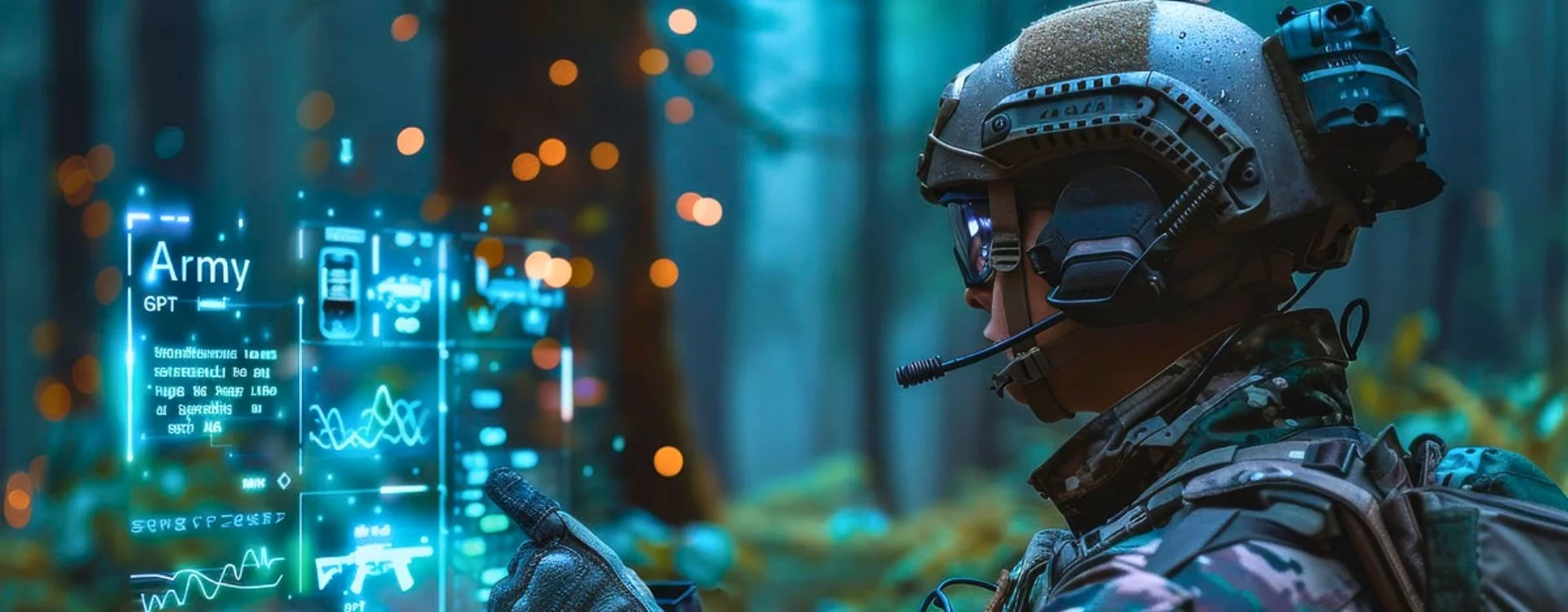
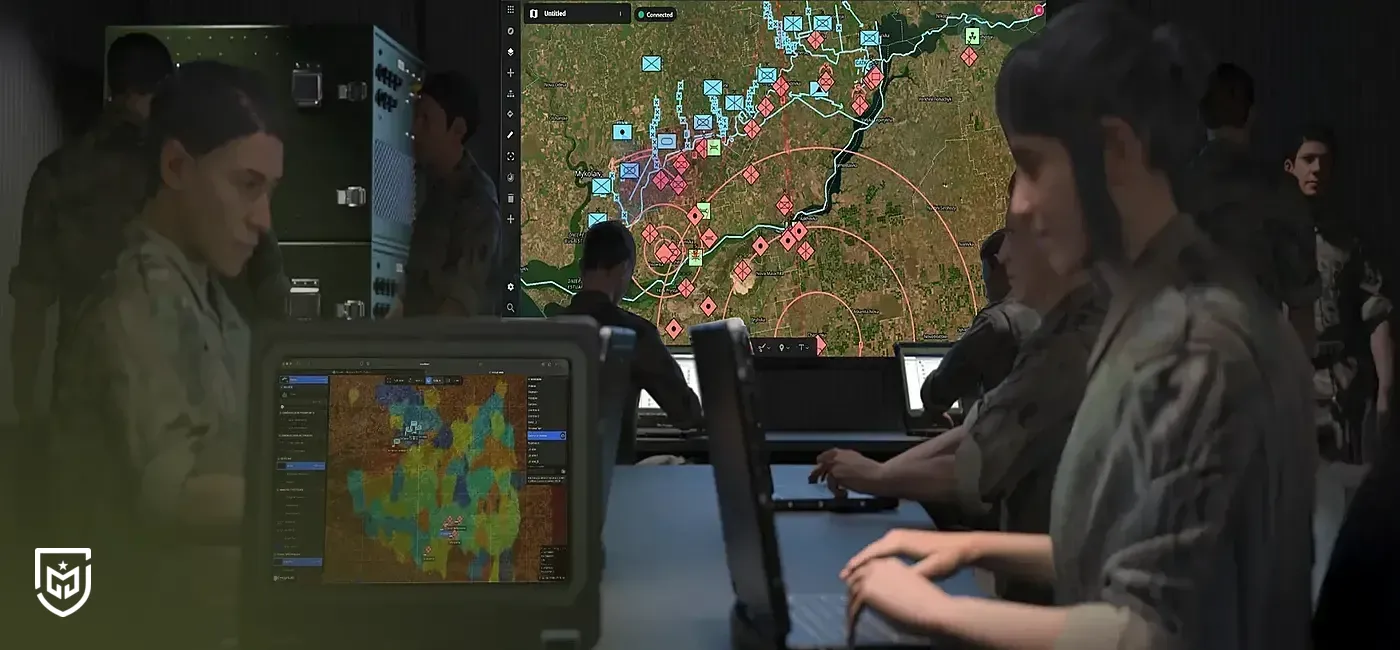
The use of artificial intelligence in the defense industry has triggered a transformation that fundamentally reshapes modern warfare doctrines, while simultaneously making ethical, legal, and strategic regulations unavoidable. Autonomous decision-making systems, target recognition algorithms, and AI-supported command-and-control structures enhance speed and operational effectiveness, yet they also raise critical concerns regarding the limits of human oversight. As a result, artificial intelligence in defense is no longer viewed solely as a technological advancement, but as a core regulatory issue with direct implications for international security.
From a more technical and regulatory standpoint, AI regulations in the defense sector are structured around key principles such as human-in-the-loop decision-making, algorithmic transparency, accountability chains, and data security. One of the most debated issues is whether life-and-death decisions within autonomous weapon systems should ever be delegated to machines. In this context, NATO has established responsible and ethical AI principles for military use, while the European Union aims to subject high-risk defense AI applications to strict classification and oversight mechanisms. Rather than imposing outright bans, these regulations focus on developing auditable, controllable, and human-centered AI systems, ensuring that artificial intelligence becomes a strategic force multiplier rather than an uncontrolled threat within the defense industry.


The cookies used on our website are used to provide you with a better user experience and to improve our website. You can manage your cookie preferences from the options below.





 Rabia Kılıç