BREAKING NEWS
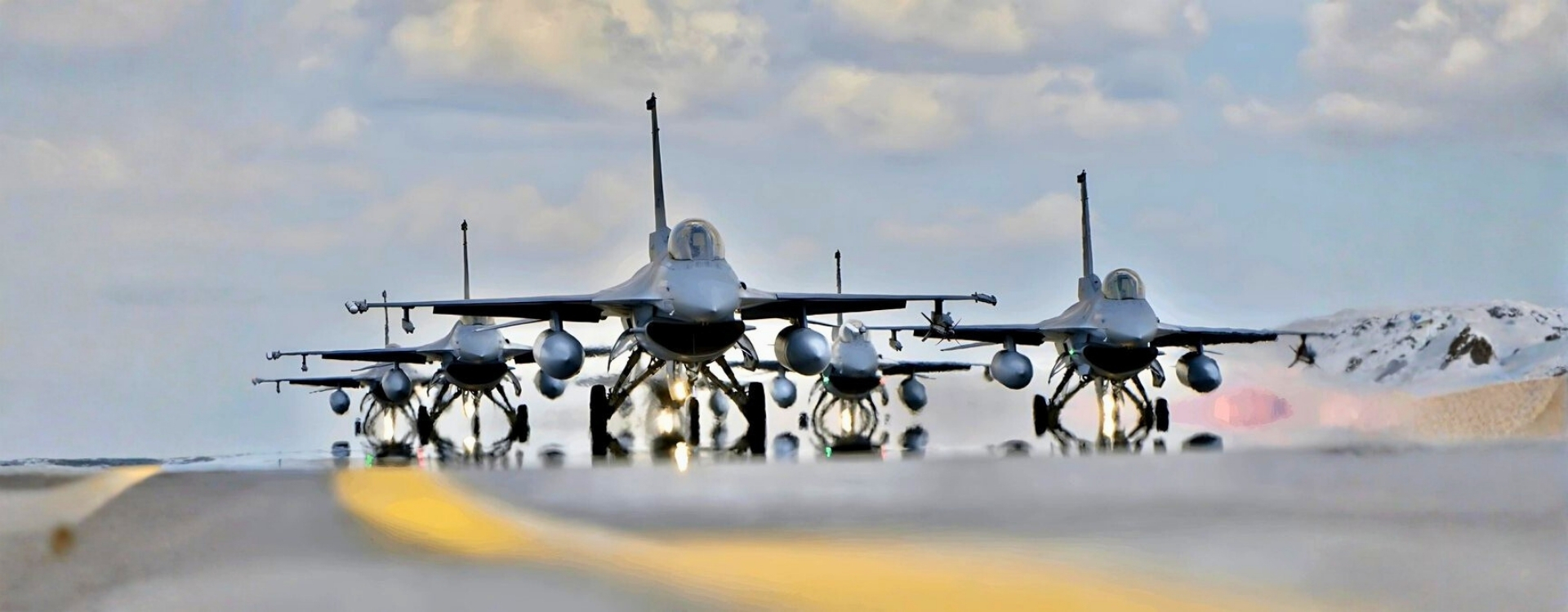
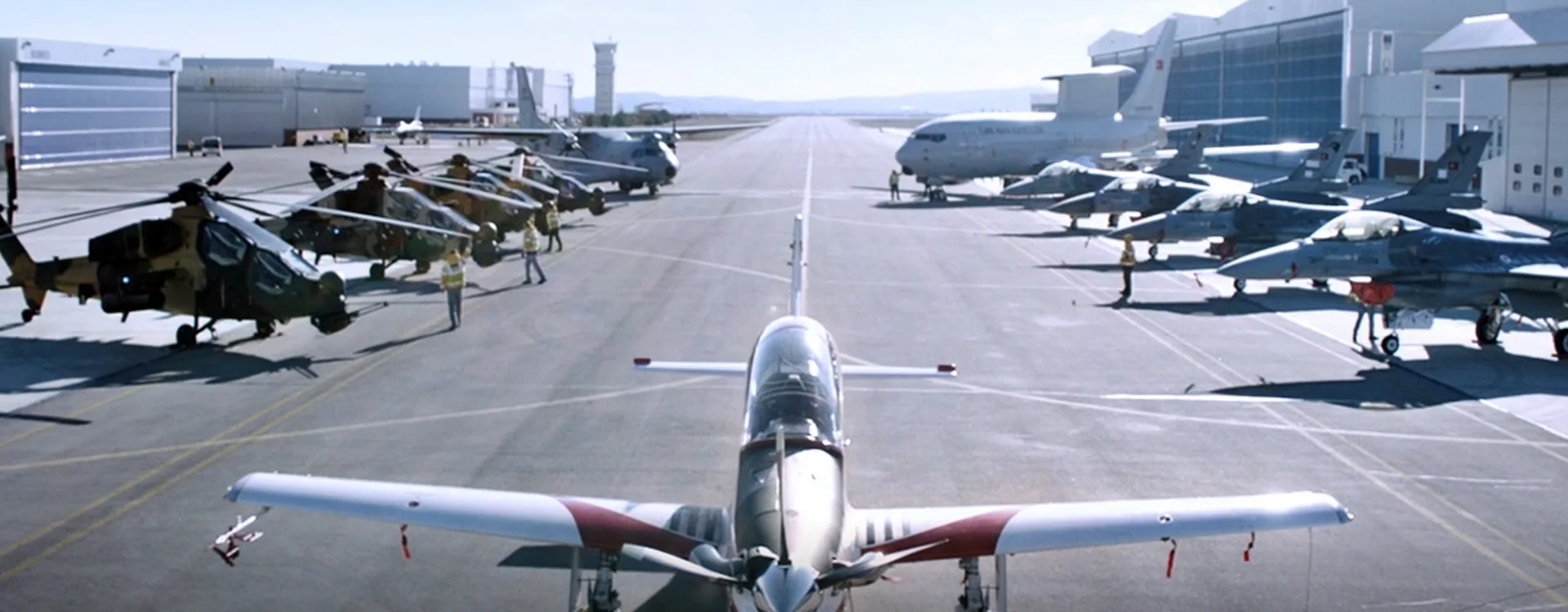
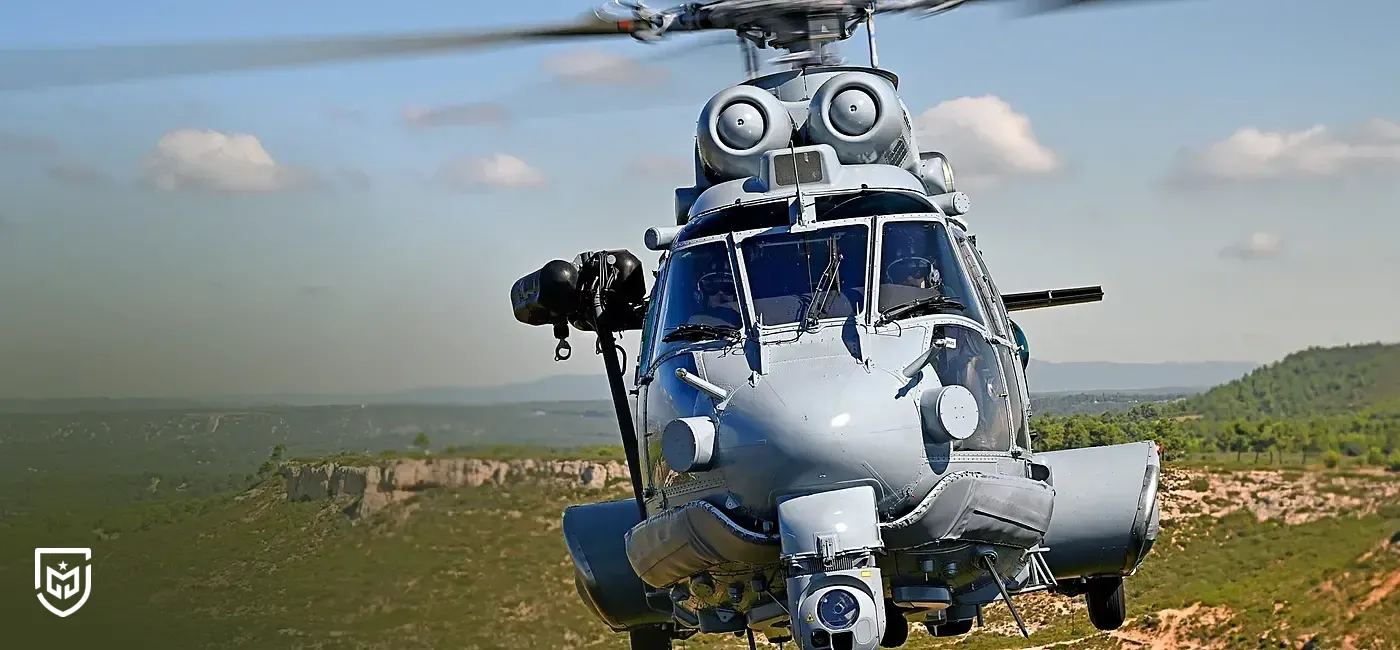
Air superiority strategy stands at the core of modern military doctrines and represents a critical power element based on a nation’s ability to control its airspace. In today’s conflicts, the success of land and naval operations largely depends on the dominance achieved from the air. Air superiority prevents enemy forces from effectively using the air domain while granting friendly forces freedom of movement and operational flexibility. This strategy is not defined solely by the strength of fighter aircraft; it is shaped as an integrated structure that includes early warning systems, radar networks, air defense systems, and intelligence capabilities. At the initial stage, the primary objective is to neutralize enemy air assets and establish psychological and operational pressure across the battlespace.
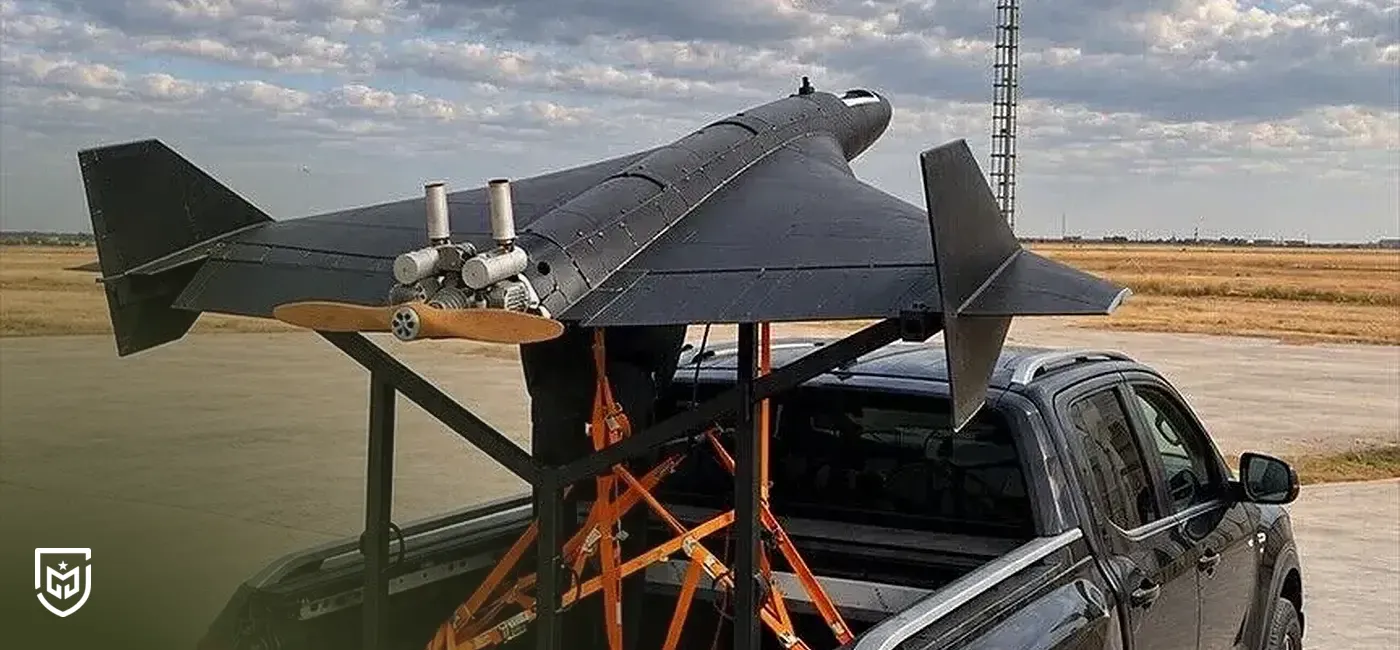
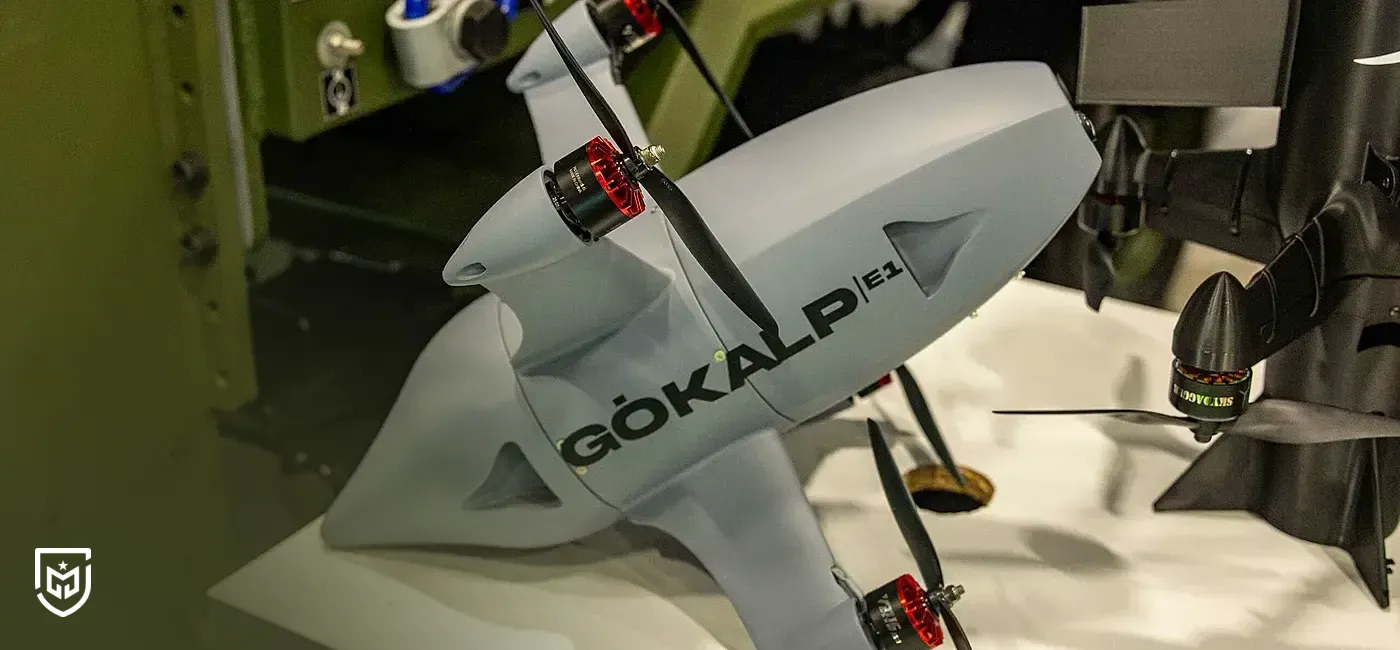
From a more technical perspective, integrated air defense systems, electronic warfare capabilities, unmanned aerial vehicles, and satellite-supported reconnaissance systems play a decisive role. Once air superiority is secured, enemy supply lines are disrupted, command-and-control centers are weakened, and the resistance of fielded forces is significantly reduced. In modern warfare, air superiority is no longer viewed as a temporary advantage but as a sustainable form of dominance. For this reason, nations continuously develop their air forces not only for offensive missions, but also for defense, deterrence, and crisis management. Air superiority strategy remains one of the most decisive factors shaping the outcome of conflicts, where technological superiority converges with precise planning.


The cookies used on our website are used to provide you with a better user experience and to improve our website. You can manage your cookie preferences from the options below.




 Süheyla Yıldız