BREAKING NEWS

Air defense early warning radars are systems designed to detect aircraft, missiles, unmanned aerial vehicles (UAVs), and other airborne threats from long distances, providing early alert to defense networks. These radars identify incoming dangers while they are still far away, giving air defense units — such as interceptor aircraft, missile batteries, or command-and-control elements — crucial time to react before the threat approaches.
Unlike short-range radar systems, early warning radars typically operate at lower frequencies and use longer wavelengths. This reduces atmospheric interference such as rain, fog, or snow and enables long-range detection with a large coverage footprint. Modern versions utilize phased-array (AESA) antenna technology, incorporating numerous independent transmit/receive modules to achieve stable performance and enhanced resistance against electronic jamming.
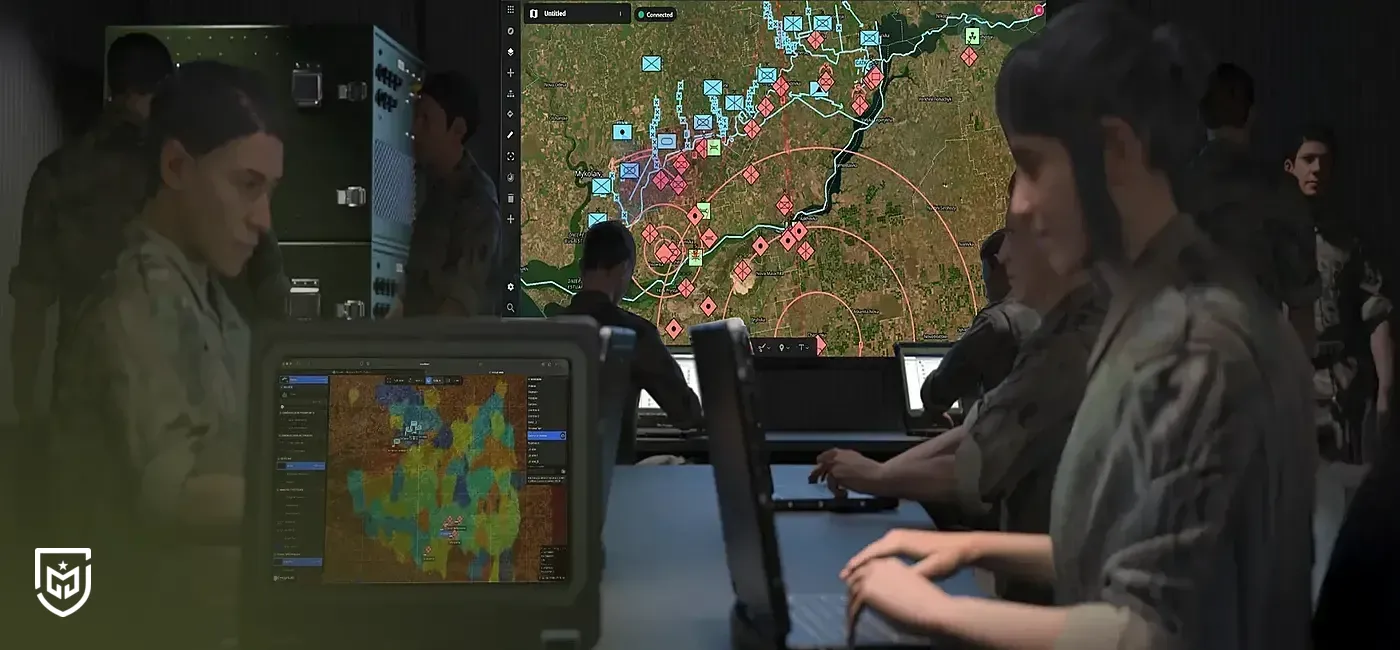
These systems can detect not only aircraft or helicopters but also UAVs, cruise missiles, and ballistic missiles from extremely long distances. Information gathered by early warning radars is transmitted in real time to command-and-control centers, where targets are classified, prioritized, and tracked. This data enables air defense weapons to engage the correct threat at the right moment.
In summary, air defense early warning radars act as the eyes of modern air defense — forming a critical first layer that buys valuable reaction time against hostile aerial activity.


The cookies used on our website are used to provide you with a better user experience and to improve our website. You can manage your cookie preferences from the options below.




 Rabia Kılıç