BREAKING NEWS

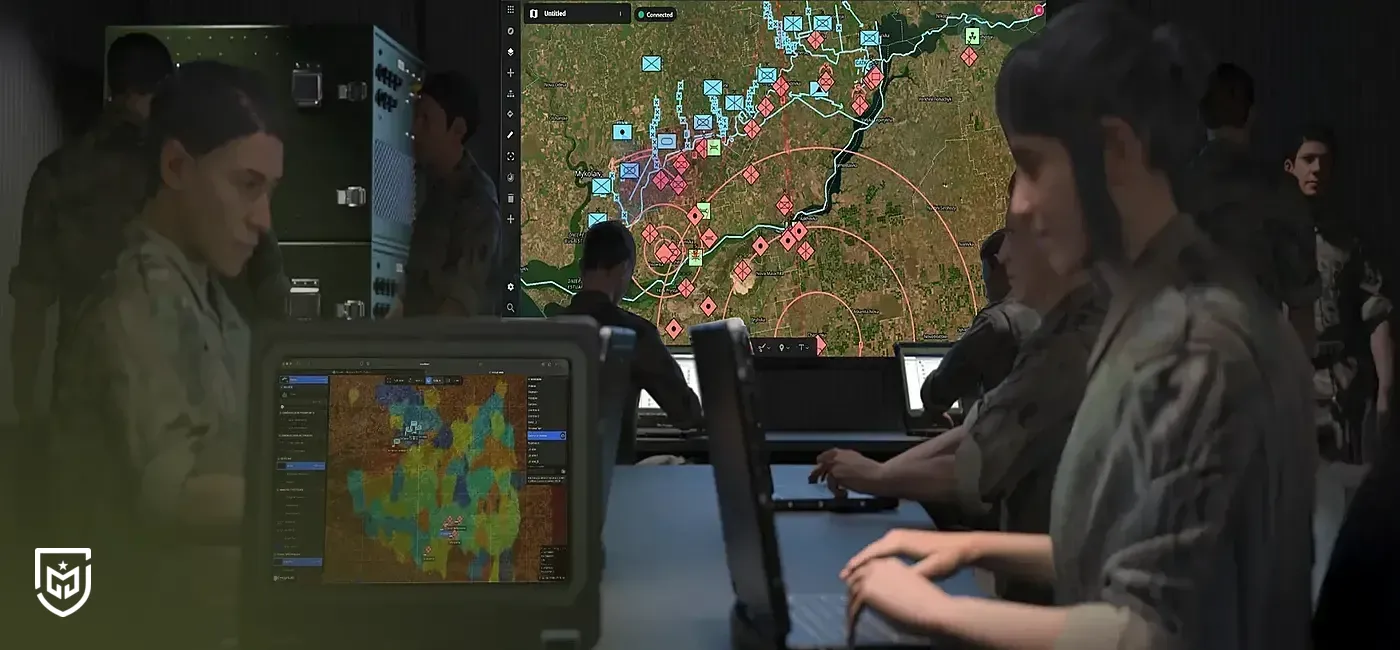
AI-powered mapping systems go far beyond traditional digital maps by delivering intelligent infrastructures that analyze, learn from, and predict location-based data. These systems do not merely provide directions; they combine traffic density, weather conditions, user behavior, and real-time sensor data to generate the most efficient and safest routes. Widely used today in navigation, logistics, smart cities, and autonomous vehicle technologies, AI-driven maps personalize the user experience while enabling significant savings in time and cost. Especially in large metropolitan areas, their predictive capabilities play a critical role in reducing traffic congestion, making artificial intelligence an essential component of modern mapping technologies.
From a technical perspective, AI-powered mapping systems operate through the integration of machine learning, deep learning, big data analytics, and image processing technologies. Data collected from satellite imagery, IoT sensors, and mobile devices is processed in real time to create continuously updated, dynamic maps. As a result, roadworks, accidents, and sudden traffic changes are reflected in the system within seconds. Platforms such as Google Maps and OpenStreetMap leverage artificial intelligence algorithms to learn from user data, constantly improving map accuracy and predictive performance. Historically, digital maps were limited to static datasets; however, with the integration of AI, maps have evolved into self-updating, predictive, and decision-support systems. This transformation is set to make mapping technologies indispensable across many strategic fields, from urban planning to defense industries.


The cookies used on our website are used to provide you with a better user experience and to improve our website. You can manage your cookie preferences from the options below.







 Süheyla Yıldız