BREAKING NEWS
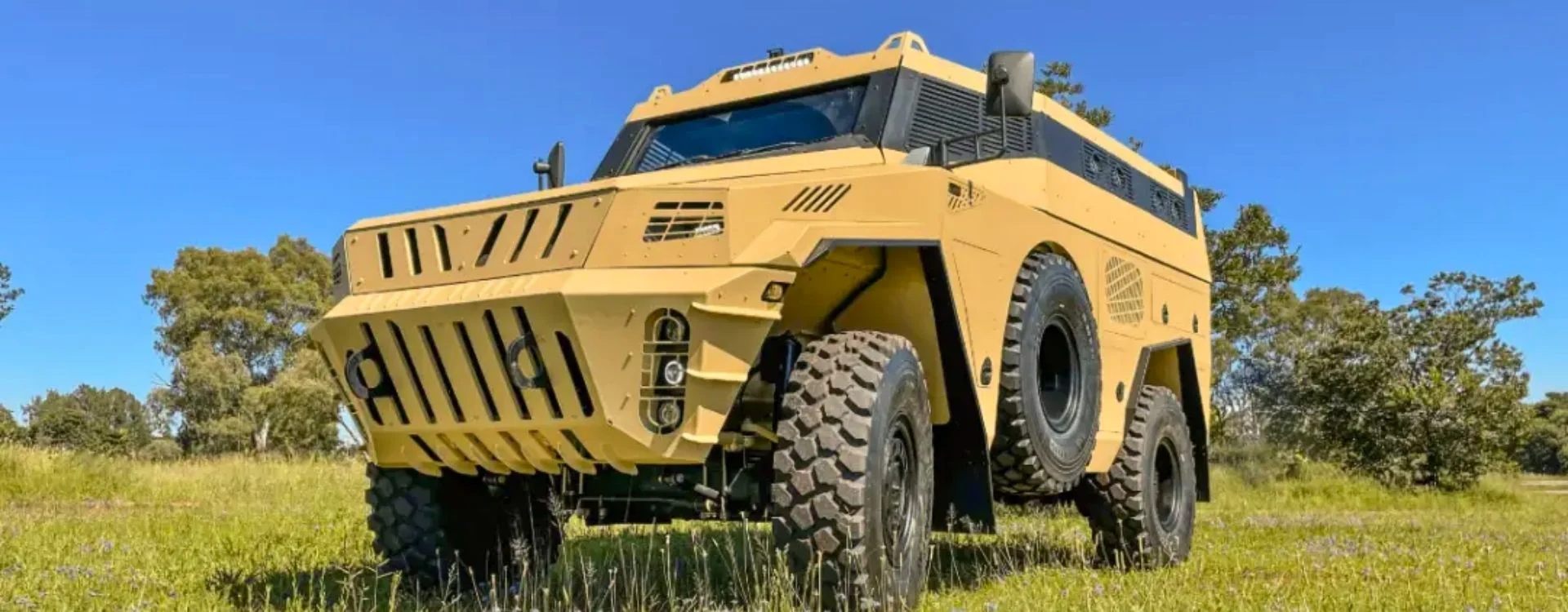
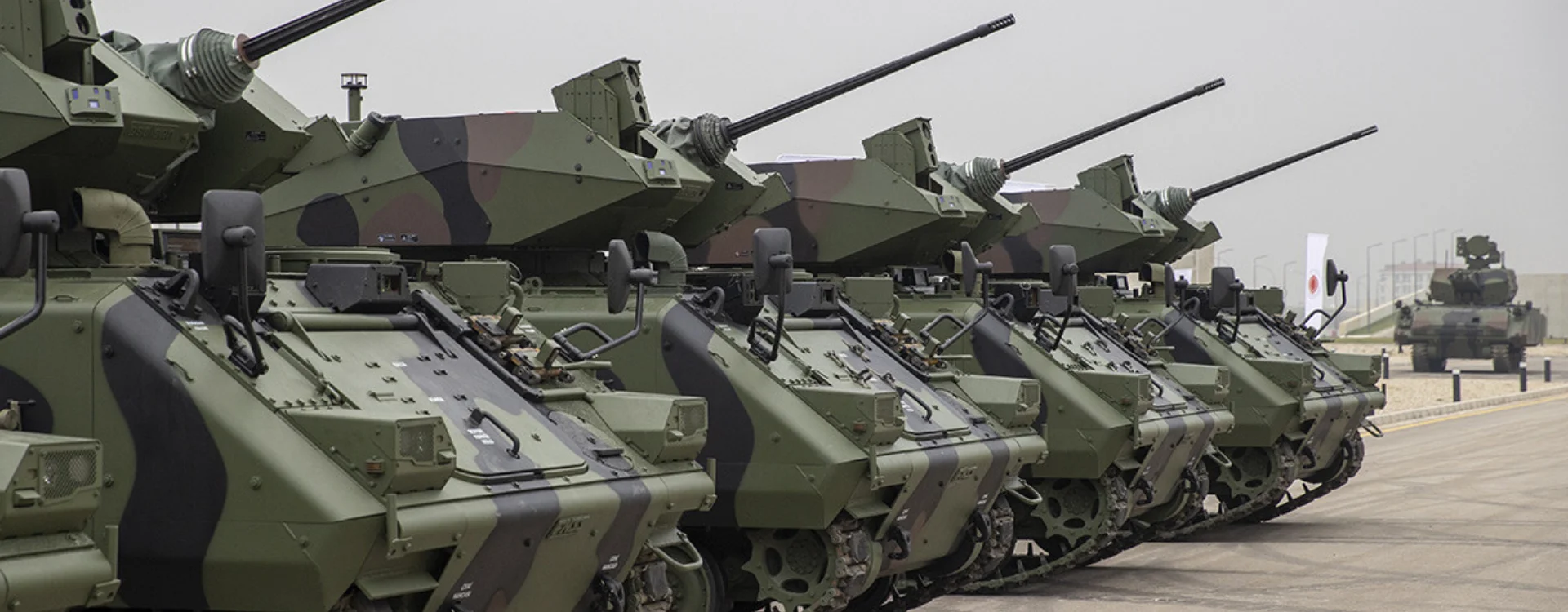
Active Protection Systems (APS) for armored vehicles represent one of the most critical defense technologies enhancing the survivability of tanks and armored platforms on the modern battlefield. Today, anti-tank guided missiles, precision-guided munitions, and shoulder-launched rockets pose some of the most severe threats to armored forces. Traditional passive armor solutions alone are no longer sufficient against these advanced weapons. As a result, the concept of active protection—designed to detect and neutralize threats before they reach the vehicle—has become a defining element of modern armored warfare. With their ability to react within milliseconds, active protection systems play a decisive role in keeping armored units operational in high-threat environments.
From a technical standpoint, active protection systems are generally divided into soft-kill and hard-kill solutions. Soft-kill systems aim to disrupt or mislead incoming guided munitions using laser warning receivers, smoke screens, and electronic countermeasures, effectively breaking the weapon’s target lock. Hard-kill systems, by contrast, rely on radar and sensor arrays to detect incoming threats and deploy physical interceptors that destroy the projectile in mid-air before impact. This process depends heavily on sensor fusion, high-speed data processing, and automated decision-making algorithms. Modern APS solutions provide full 360-degree coverage and are capable of engaging multiple threats simultaneously. Today, these systems are increasingly deployed not only on main battle tanks but also on armored personnel carriers and infantry fighting vehicles. In this context, active protection systems transform armored vehicles from passively defended platforms into intelligent combat systems that proactively manage and defeat threats, making them an indispensable force multiplier in modern warfare.


The cookies used on our website are used to provide you with a better user experience and to improve our website. You can manage your cookie preferences from the options below.


 Rabia Kılıç