BREAKING NEWS
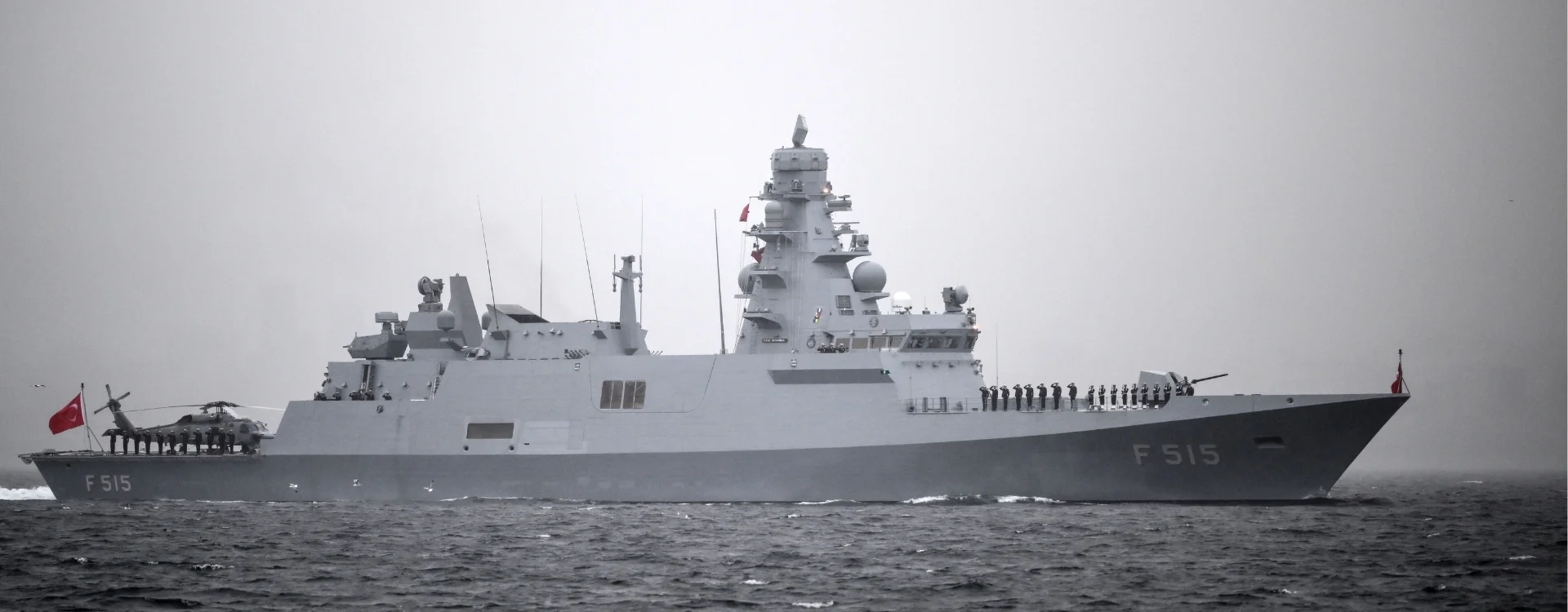
The A2/AD (Anti-Access / Area Denial) concept in naval warfare has become one of the most critical components of modern military strategy. This approach aims to prevent an adversary from entering a specific maritime area (Anti-Access) or to restrict their freedom of movement and operational effectiveness within that area (Area Denial). Frequently applied in semi-enclosed seas, chokepoints, and strategically vital maritime corridors, A2/AD strategies seek to establish sea control without direct confrontation, enhance deterrence, and shift the balance of power toward the defender. Although it may appear primarily defensive at first glance, A2/AD provides a powerful strategic framework that limits operational freedom across the maritime domain.
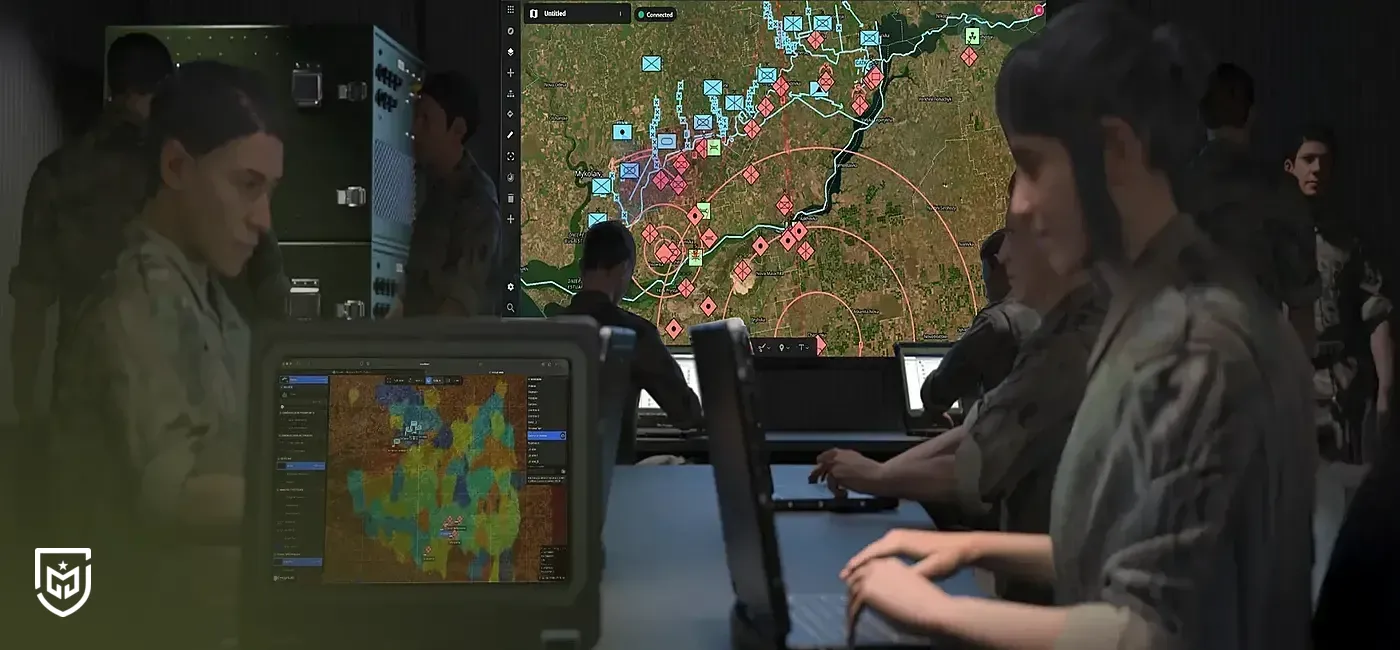
From a technical perspective, a naval A2/AD architecture is built on the integrated use of long-range anti-ship missiles, networked radar and sensor systems, submarines, naval mines, electronic warfare capabilities, and layered air defense elements. Coastal missile batteries and network-centric command-and-control structures enable continuous maritime surveillance and allow threats to be neutralized before they can reach open waters. This integrated structure poses a significant risk to high-value assets such as aircraft carrier strike groups. The A2/AD concept has not only reshaped weapon systems but has also fundamentally influenced doctrines, force planning, and naval strategies. As a result, the ability to counter or effectively employ A2/AD has become a core indicator of strategic naval power in contemporary maritime warfare.


The cookies used on our website are used to provide you with a better user experience and to improve our website. You can manage your cookie preferences from the options below.






 Süheyla Yıldız