


Air Forces News
Global Developments


BREAKING NEWS
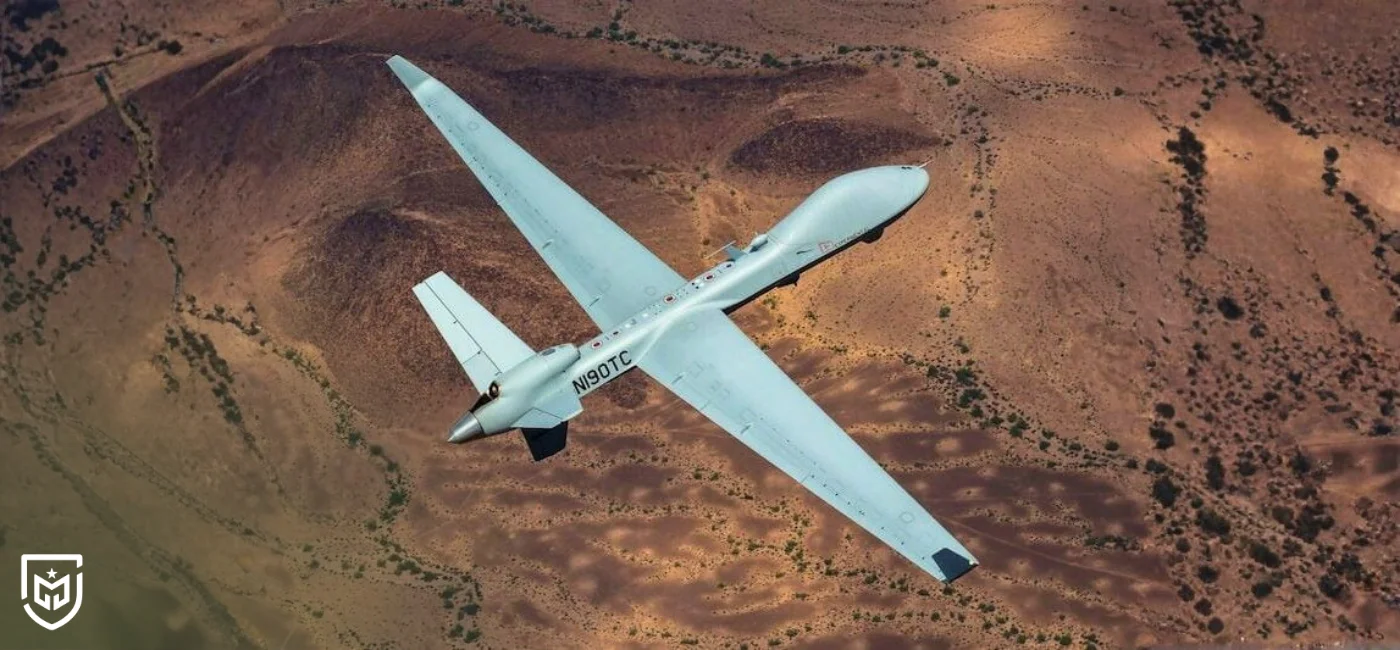
The United States is preparing to launch a new phase in its security cooperation model across Africa by establishing a regional drone training center in Morocco. Announced during the African Land Forces Summit held in Rome in March 2026, the initiative was presented by U.S. Army Europe and Africa Commander General Christopher Donahue as part of a broader transition toward technology-focused defense collaboration.
The first practical phase of the project is being linked to African Lion 2026, which is taking place between April 20 and May 8 in Morocco and partner locations across the region. Within this framework, a pilot group is testing the operational and administrative structure of the future training center. The program is designed to include drone operations, integration of unmanned systems into military planning, and practical flight activities on different platforms.
Morocco’s selection as host reflects several strategic factors. Its geographic position, long-standing defense ties with Washington, and growing aerospace and defense infrastructure made it a natural candidate. The long-term aim is not simply to build a temporary training facility, but to create a sustainable regional hub where drone operators from across Africa can be trained under common standards.
This move also reflects a broader change in U.S. strategy on the continent. Rather than relying mainly on direct military presence, Washington is increasingly leaning toward a model based on training, local capacity building, and technical support. In that sense, the drone training center is part of a more flexible approach designed to help African partners manage their own security challenges with stronger indigenous capability.
Morocco’s rising defense-industrial role adds another layer to this development. In recent years, the country has attracted growing investment in drone production, maintenance, and military aviation support. This suggests that Morocco is being positioned not only as a training location, but also as a wider defense and technology node in North Africa.
If the pilot phase proves successful, the program could expand with more advanced modules such as sensor fusion, electronic warfare, and multinational data coordination. That would make the Moroccan center a model for similar facilities elsewhere in Africa, and further strengthen Rabat’s role as a regional defense and technology hub.


The cookies used on our website are used to provide you with a better user experience and to improve our website. You can manage your cookie preferences from the options below.
 Süheyla Yıldız
Post Comment
Comments
No comments yet.
Related News
SSB Sector Meeting: Focus on Supply Chain and Production Capabilities
Turkish defense industry signed 15 billion dollars in new contracts in 2026
SSB Hosts Second Supply Chain Strengthening Summit
Skyfall II Exercise: U.S. Army Demonstrates UAV Defense Capabilities in Germany
SSB Chief: Transparent Licensing Will Strengthen Defense Cooperation
STM's Swarm UAV System Demonstrates Operational Success at Ateş Serbest-2026
TUSAŞ Kamikaze UAV Systems Achieve Success in Exercise Ateş Serbest-2026
Fire Free-2026 Exercise Successfully Completed