


Air Forces News
Global Developments


BREAKING NEWS
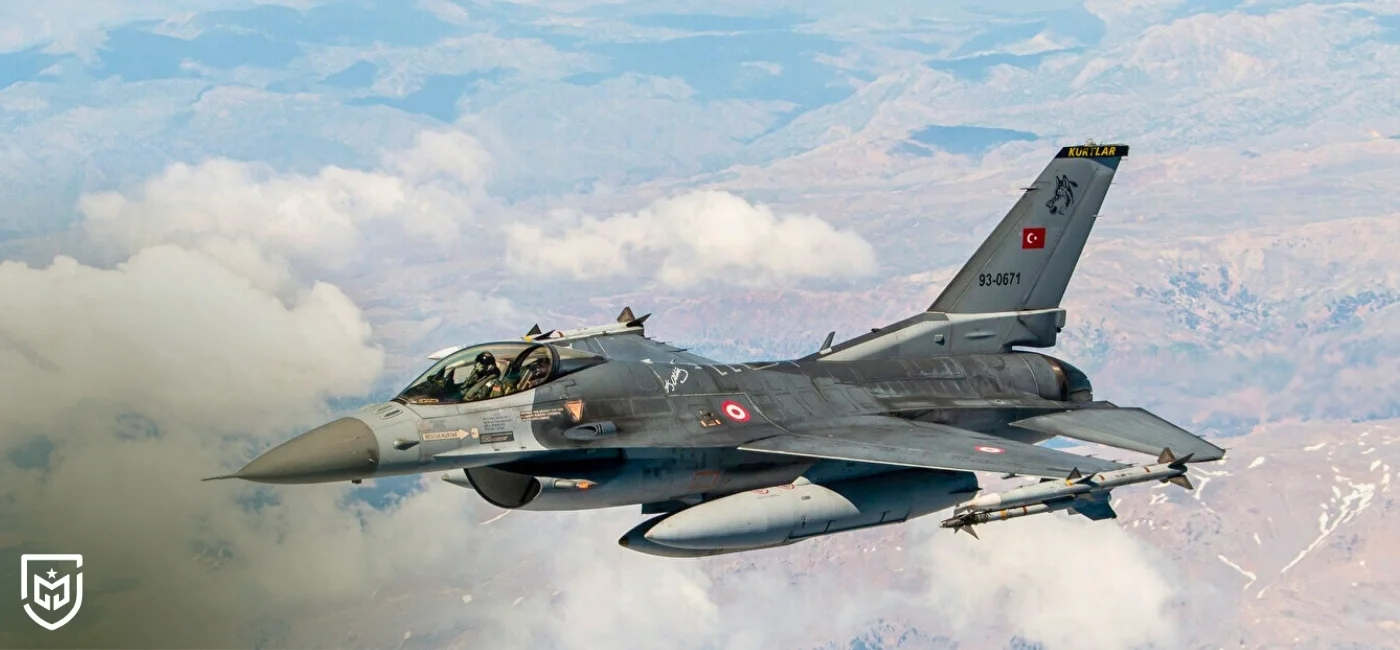
In an analysis published by one of Greece’s leading newspapers, Kathimerini, it was claimed that Türkiye’s deployment of F-16 fighter jets to the Turkish Republic of Northern Cyprus (TRNC) could create controversy under U.S. defense export legislation. The report stated that the International Traffic in Arms Regulations (ITAR), which govern the export and use of defense systems of U.S. origin, are at the center of these claims. According to the analysis, the use, deployment, and potential mission profile of U.S.-made F-16 fighter jets could be evaluated within the framework of Washington’s longstanding export control mechanisms. Sources cited by the Greek newspaper argued that even if the aircraft were not technically transferred to another country, their operation in certain geographical areas could still carry political and legal consequences.
One of the most striking points in the report was the emphasis on “end-user” and “end-use” agreements that apply to U.S.-made defense systems. Kathimerini argued that the use of American-origin platforms in a different region or under a different mission concept could trigger Washington’s approval mechanisms. At the same time, the article also noted that Türkiye could put forward several legal arguments against such claims. These include the fact that the F-16s were produced under a joint production program, that the operational user of the aircraft has not changed, and that the deployment itself may not technically qualify as a “transfer.” In this sense, the debate extends beyond legal and technical grounds and becomes part of a broader political interpretation.
The analysis also revealed that Greek and Greek Cypriot lobbying circles are approaching the matter not merely as a legal issue, but as part of the wider balance of power in the Eastern Mediterranean. The report cited comments from Hellenic American Leadership Council Executive Director Endy Zemenides, who claimed that Türkiye’s possible legal defense ignores the special regulatory framework related to Cyprus. It also included remarks from figures linked to the U.S. Senate Foreign Relations Committee, suggesting that Ankara might be trying to take advantage of regional tensions to alter the status quo. The Greek side is attempting to portray Türkiye’s effort to strengthen its military presence in the TRNC as an attempt to create a new fait accompli on the ground, while also interpreting the move as a direct strategic message to both Athens and Nicosia.
The article further recalled similar incidents from the past. It noted that in 2013, the option of temporarily deploying Greek Patriot air defense systems to Southern Cyprus could not be implemented because of ITAR restrictions. The report also reviewed the historical background of the U.S. arms embargo on Cyprus, which began in 1987 and remained in place for many years. However, it pointed out that after 2020, Washington partially revised this stance under the Eastern Mediterranean Security and Energy Partnership Act. In the final section, Kathimerini claimed that some members of the U.S. Congress had also voiced concern over Türkiye’s possible F-16 deployment. Although the analysis highlighted legal arguments, it ultimately stood out as part of a broader political effort aimed at challenging Türkiye’s growing military and strategic influence in the Eastern Mediterranean.


The cookies used on our website are used to provide you with a better user experience and to improve our website. You can manage your cookie preferences from the options below.
 Süheyla Yıldız
Post Comment
Comments
No comments yet.
Related News
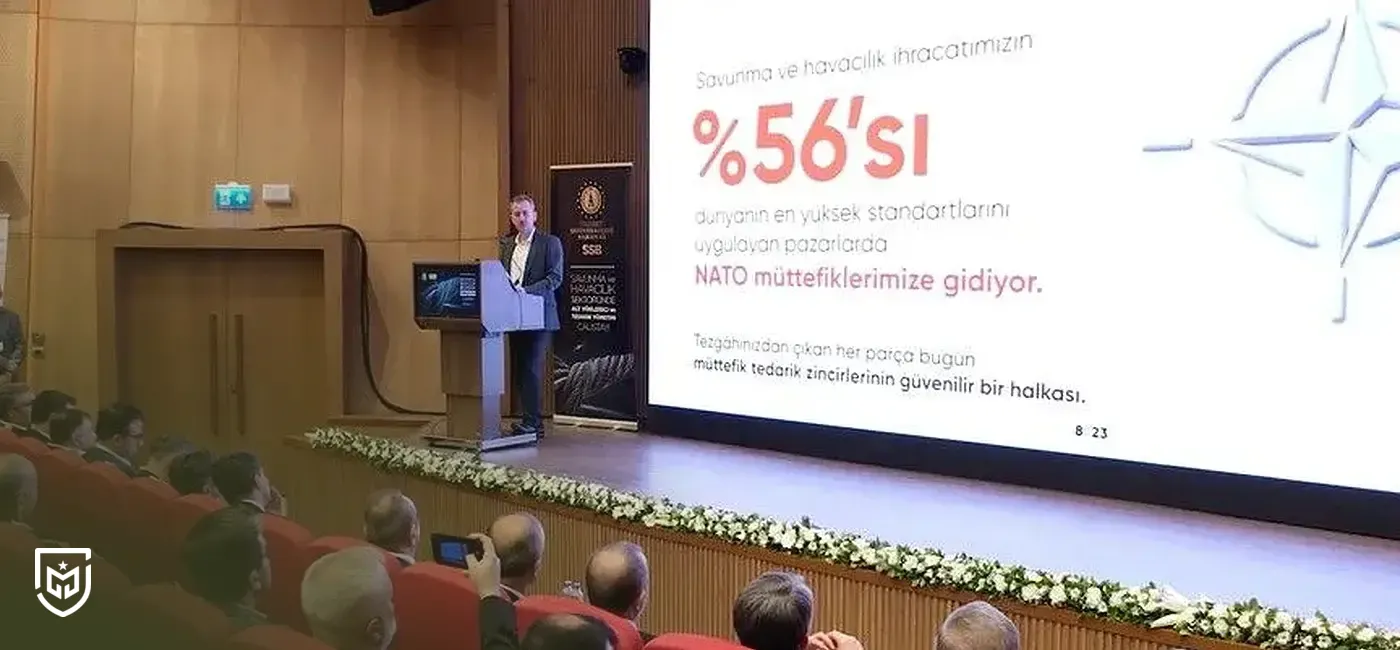
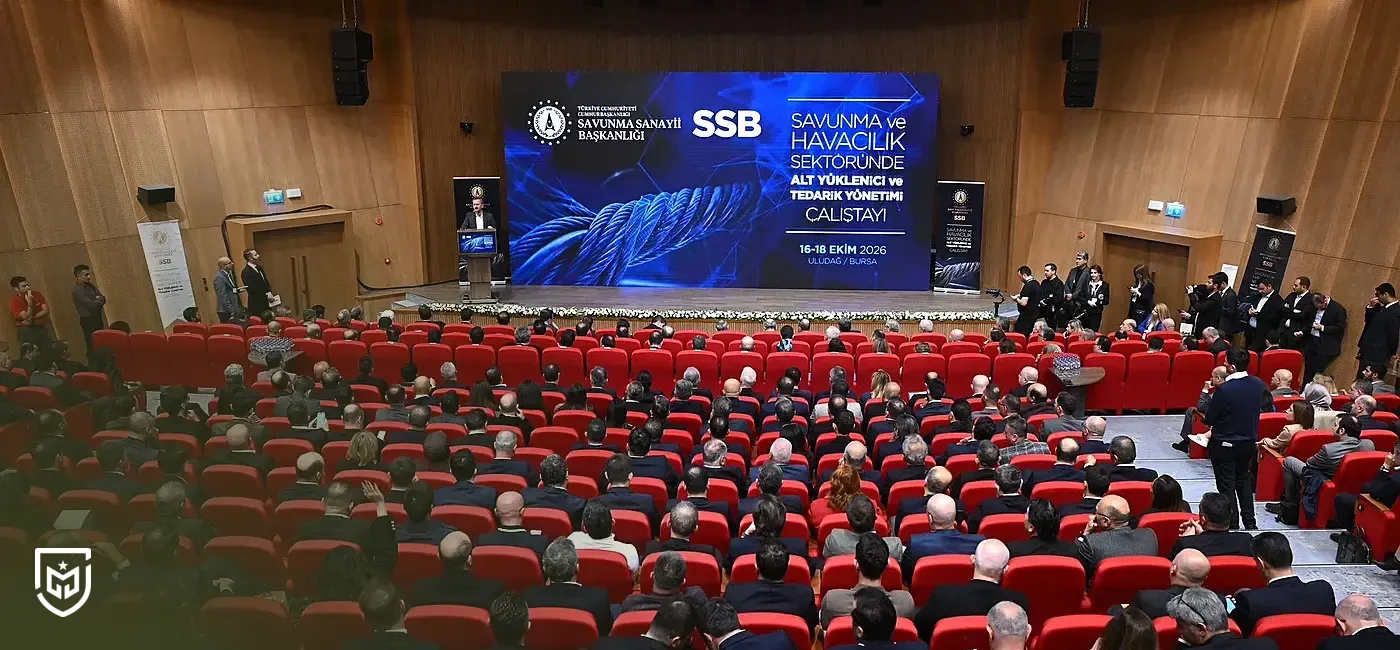
SSB Sector Meeting: Focus on Supply Chain and Production Capabilities
Turkish defense industry signed 15 billion dollars in new contracts in 2026
SSB Hosts Second Supply Chain Strengthening Summit
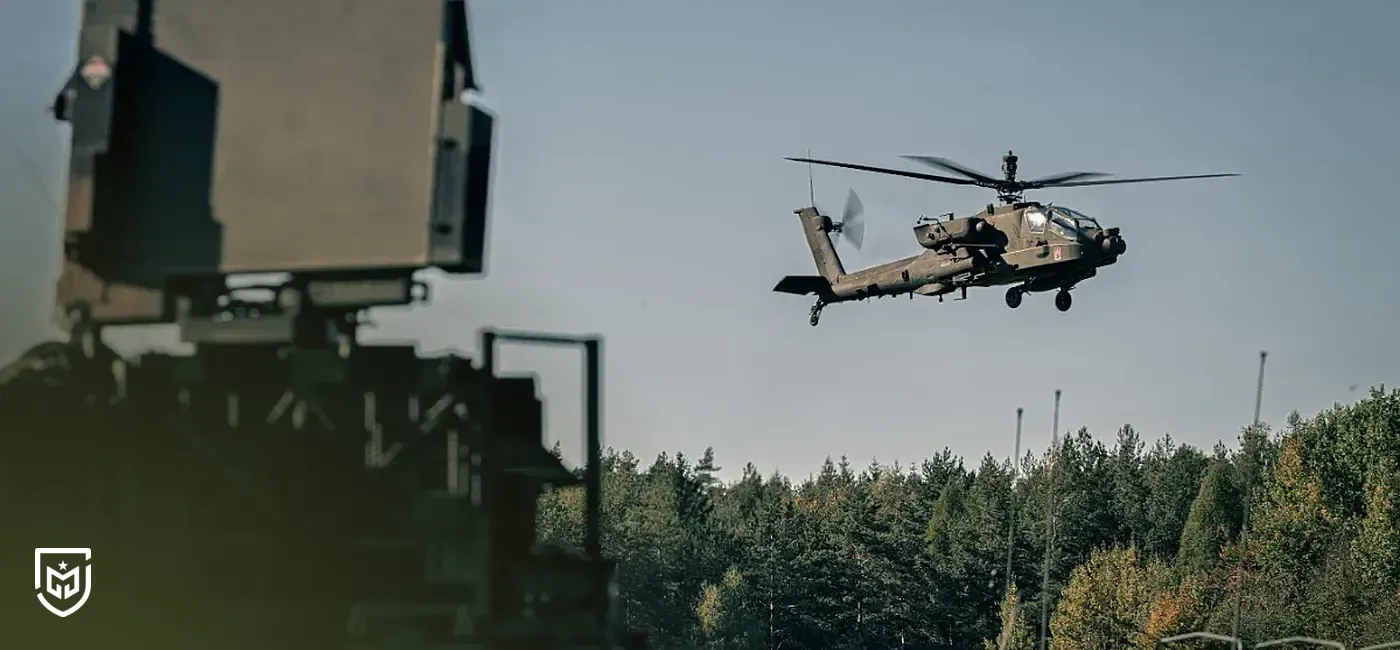
Skyfall II Exercise: U.S. Army Demonstrates UAV Defense Capabilities in Germany
SSB Chief: Transparent Licensing Will Strengthen Defense Cooperation
STM's Swarm UAV System Demonstrates Operational Success at Ateş Serbest-2026
TUSAŞ Kamikaze UAV Systems Achieve Success in Exercise Ateş Serbest-2026
Fire Free-2026 Exercise Successfully Completed