


Electronic Systems
Global Developments


BREAKING NEWS
The recent escalation in the Middle East has reopened a major debate over the effectiveness of the Gulf’s long-standing security architecture. Iranian missile and kamikaze drone attacks against critical infrastructure in countries such as Saudi Arabia, the United Arab Emirates, and Qatar showed that even heavily funded defense networks can struggle under sustained and complex threats. The strikes on energy facilities and strategic sites highlighted vulnerabilities that regional capitals can no longer ignore.
One of the main lessons of the crisis has been the growing imbalance between low-cost attack systems and expensive intercept solutions. In many cases, countries facing drone and missile threats are forced to rely on highly costly defensive responses against relatively cheap incoming targets. This is creating a new debate not only about interception success, but also about sustainability. The question is no longer just whether a threat can be stopped, but whether it can be stopped repeatedly, quickly, and at an acceptable cost during prolonged periods of tension.
This new reality is likely to push Gulf countries toward a broader search for defense partners and more flexible procurement models. For years, many regional governments relied primarily on US-backed systems as the backbone of their security posture. However, the latest attacks have increased interest in diversified solutions, including systems that are more adaptable, more rapidly available, and potentially more cost-effective in large numbers. In that emerging environment, Türkiye is increasingly viewed as a serious option.
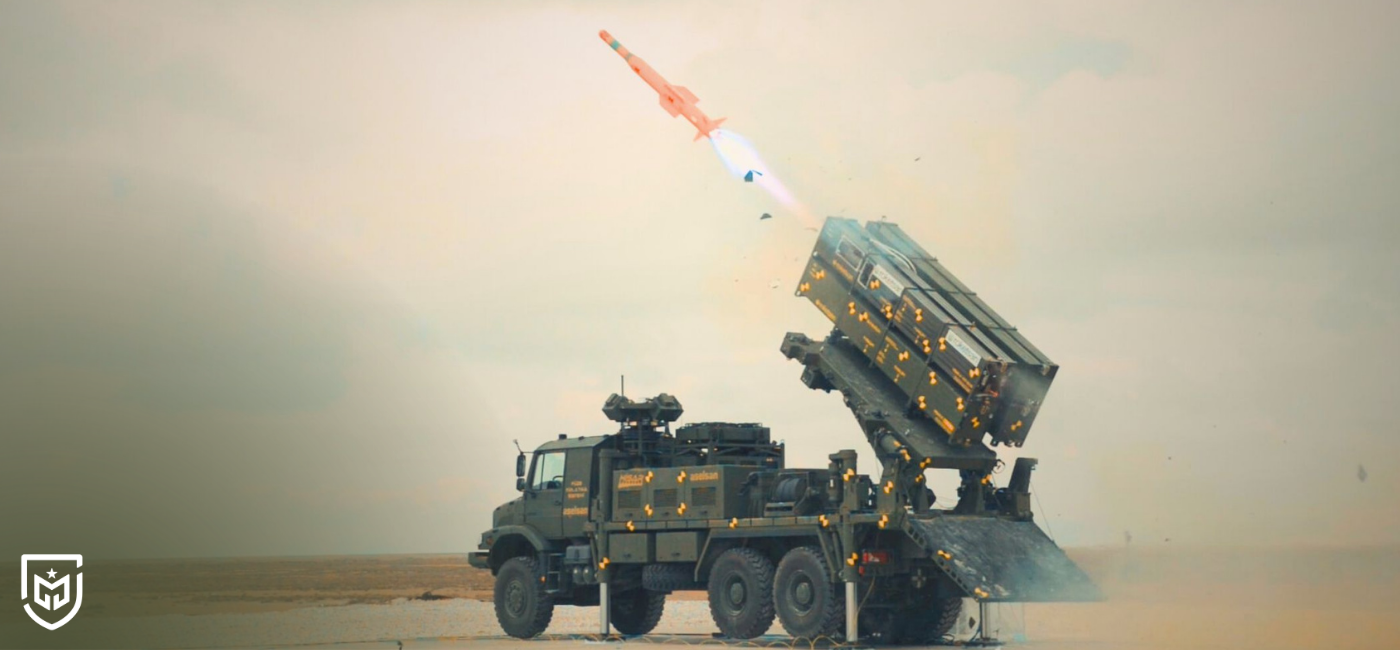
The appeal of Turkish defense products stems from more than just the success of unmanned aerial systems. Türkiye has also been expanding its capabilities in air defense, missile technologies, and layered security architecture. Turkish platforms have gained visibility through real operational use, while Ankara has simultaneously pushed to grow domestic production capacity and reduce dependence on foreign suppliers. This combination of combat-proven systems, scalable production, and growing technological depth gives Türkiye a stronger position in a market now shaped by urgency and realism.
For Gulf states, the next phase will likely be defined by a shift from prestige-driven acquisitions toward systems that can deliver practical, resilient, and economically sustainable protection. That is where Turkish defense industry offerings may become increasingly relevant. Whether this interest turns into concrete contracts will depend on political calculations, regional alignments, production timelines, and the scale of future threats. Still, the latest crisis has made one point clear: the Gulf’s defense debate is changing, and Türkiye may emerge as one of the key beneficiaries of that shift.


The cookies used on our website are used to provide you with a better user experience and to improve our website. You can manage your cookie preferences from the options below.
 Süheyla Yıldız
Post Comment
Comments
No comments yet.
Related News
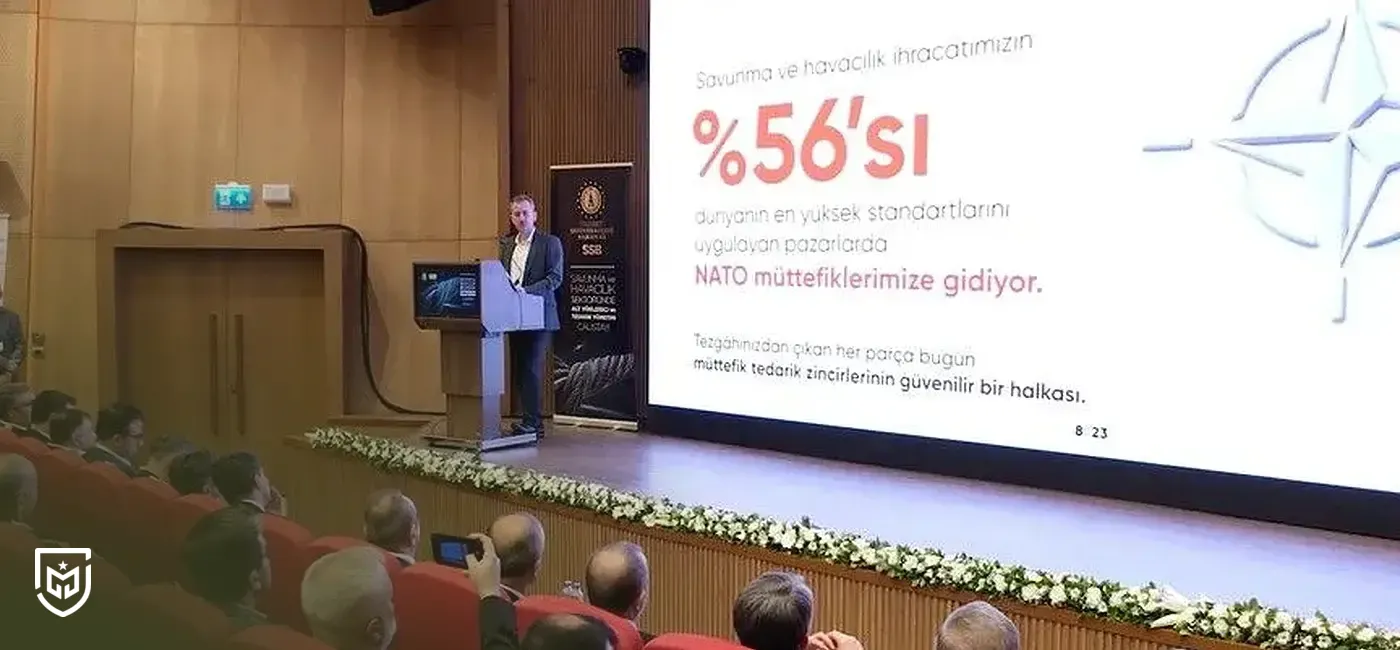
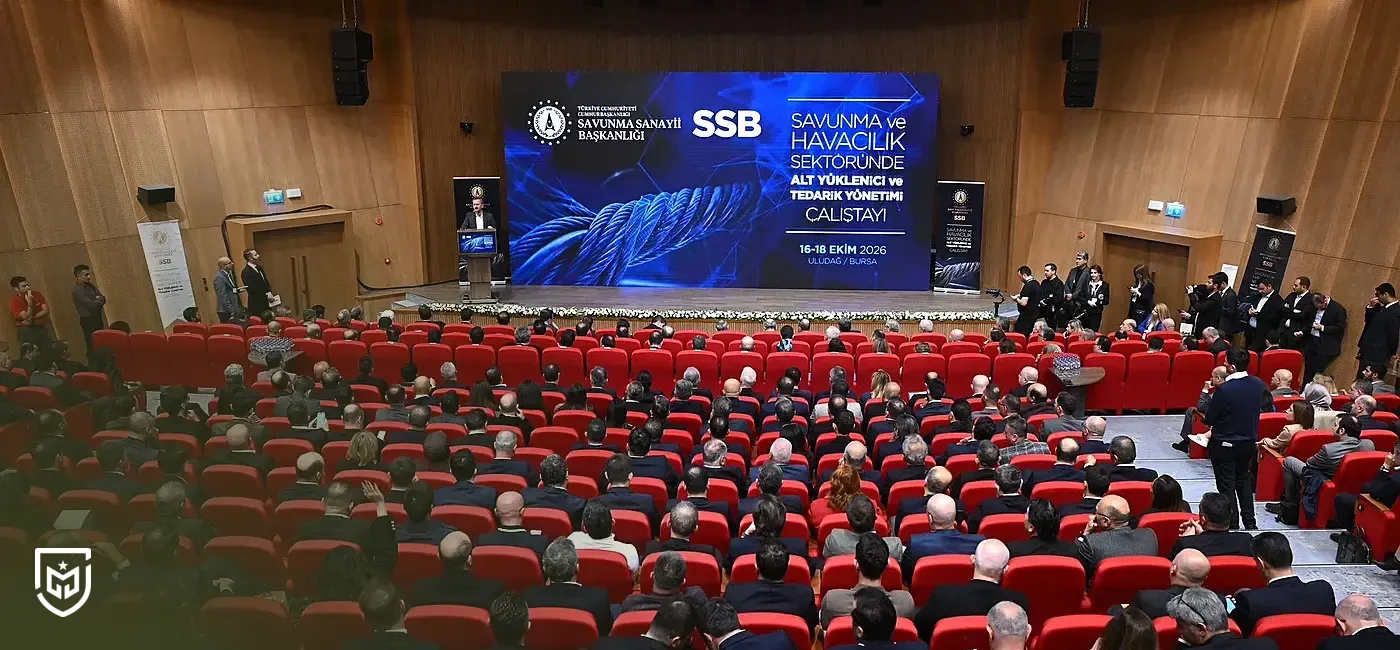
SSB Sector Meeting: Focus on Supply Chain and Production Capabilities
Turkish defense industry signed 15 billion dollars in new contracts in 2026
SSB Hosts Second Supply Chain Strengthening Summit
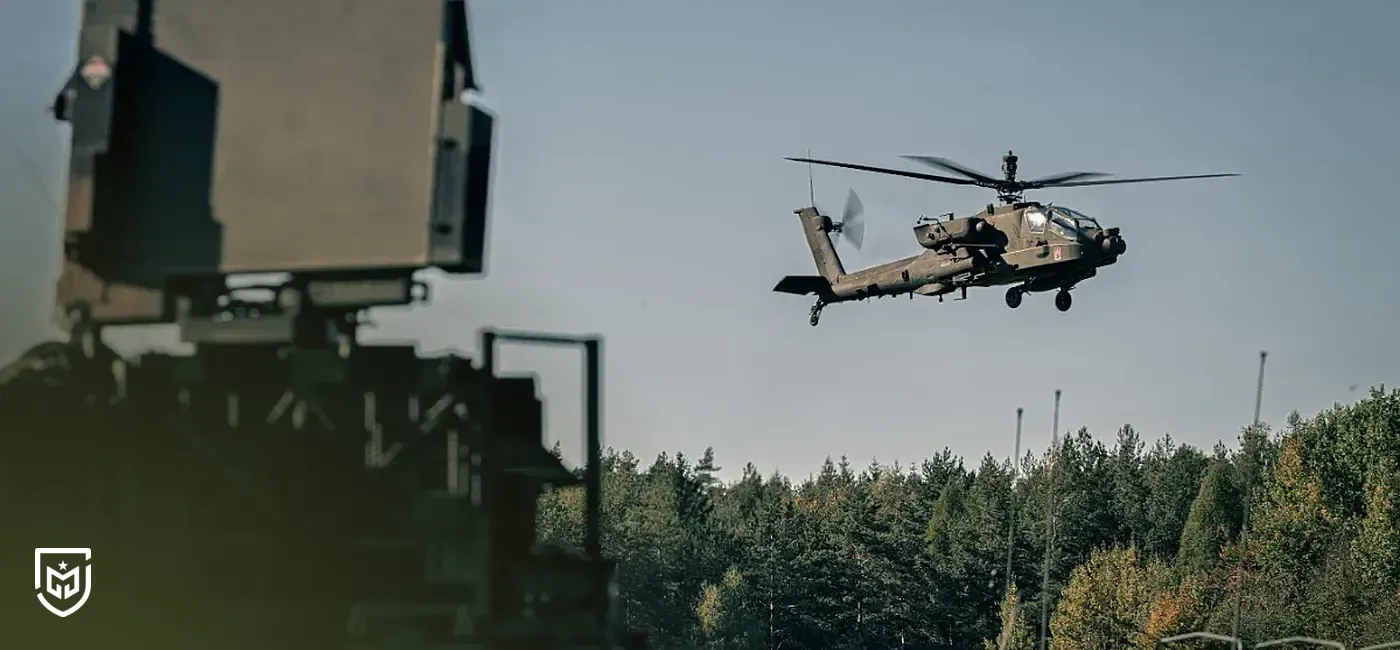
Skyfall II Exercise: U.S. Army Demonstrates UAV Defense Capabilities in Germany
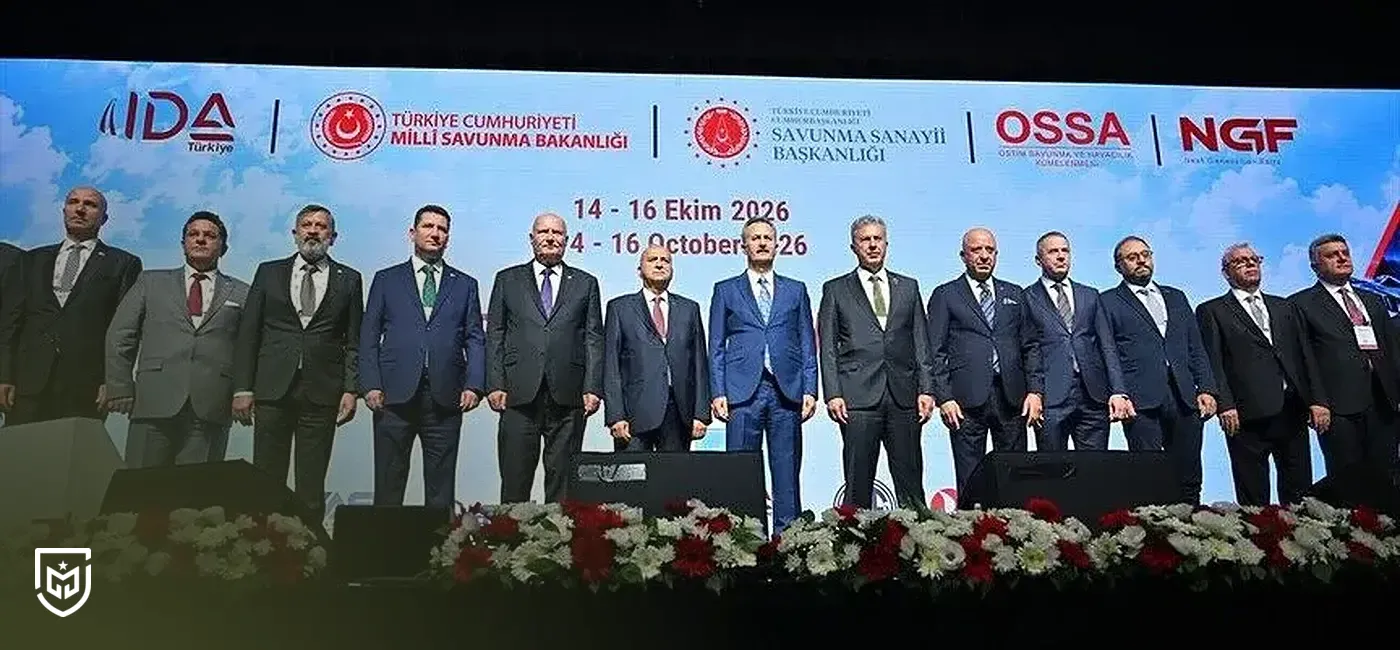
IDA Turkey 2026 Defense and Aviation Industrial Cooperation Days Launched
SSB Chief: Transparent Licensing Will Strengthen Defense Cooperation
STM's Swarm UAV System Demonstrates Operational Success at Ateş Serbest-2026
ÇAKIR Cruise Missile Supply Contract Signed