Air Forces News
Electronic Systems
Global Developments

U.S. Army’s Next-Generation HADES Spy Plane Moves Toward First Delivery
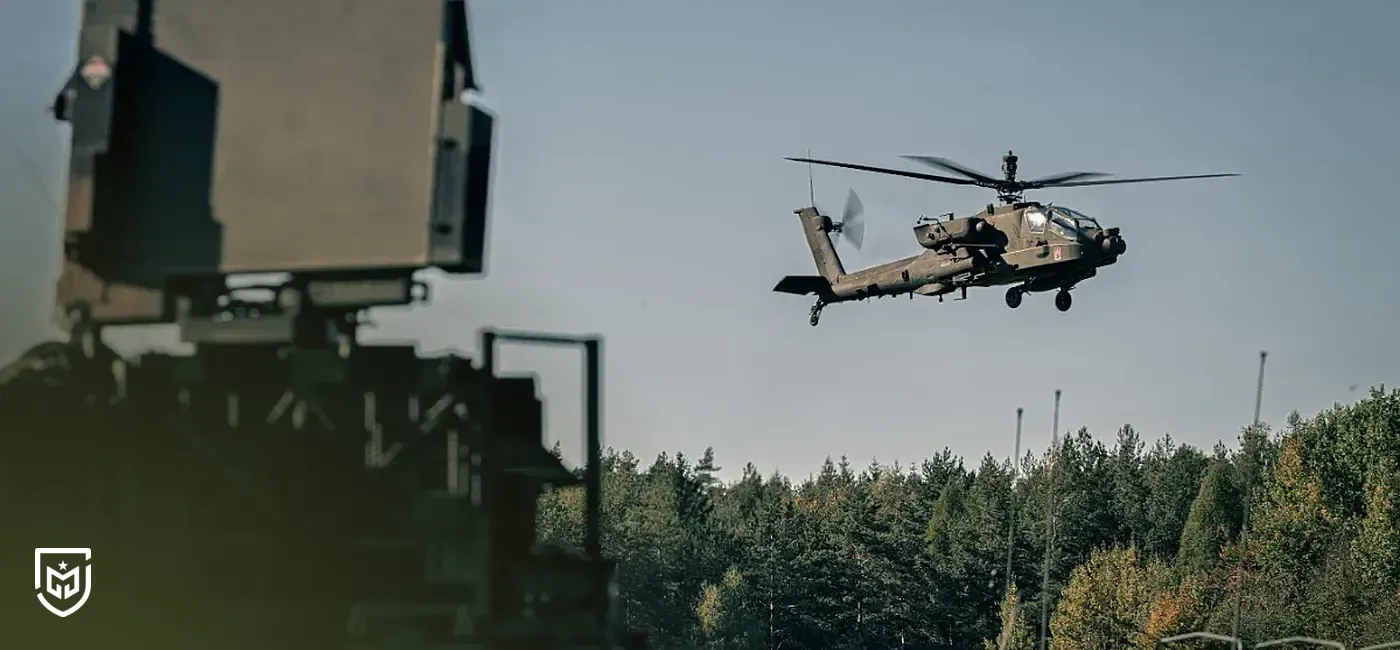
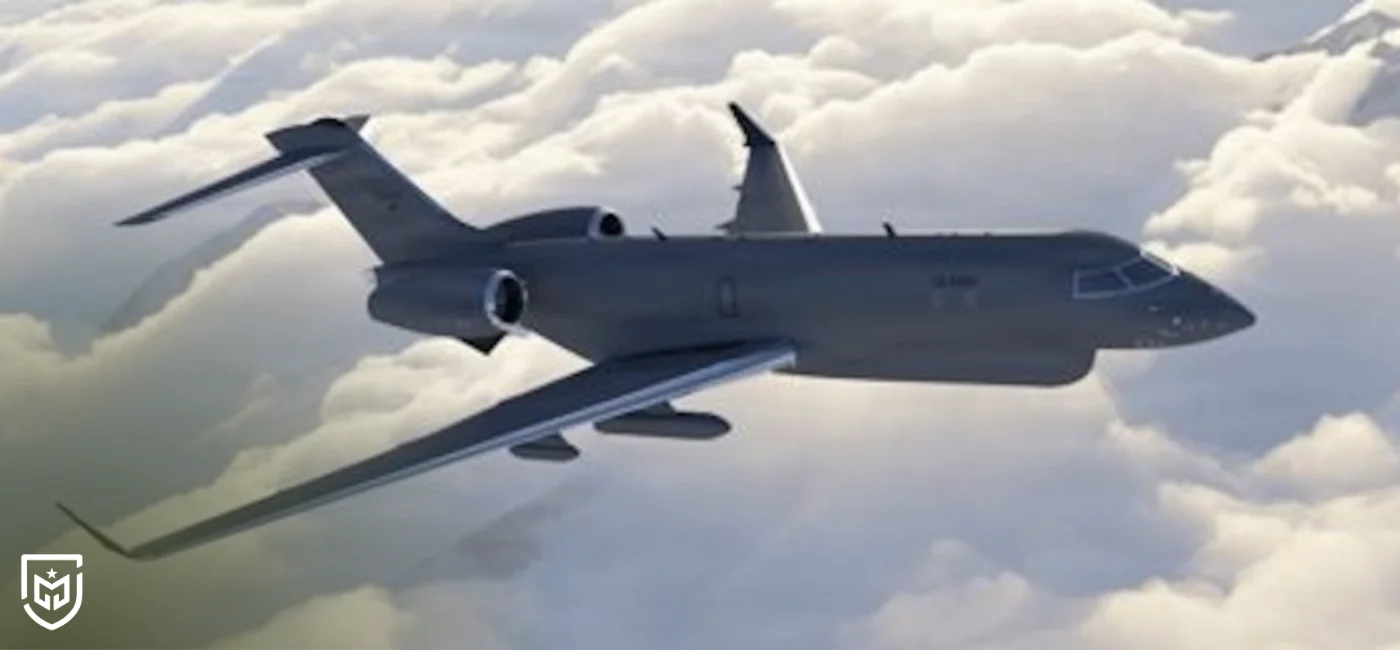
The U.S. Army’s next-generation intelligence, surveillance and reconnaissance aircraft, HADES, remains on track for its first delivery. According to Defense One, the High Accuracy Detection and Exploitation System is expected to begin flight testing in the summer, with the first aircraft scheduled to be delivered to Army units later in the year. The program is seen as a key part of the Army’s effort to replace its older turboprop intelligence aircraft with a faster, longer-range and more flexible ISR platform.
Under the HADES program, Sierra Nevada Corporation received a $1 billion contract to modify the Bombardier 6500 business jet for intelligence, surveillance and reconnaissance missions. The aircraft’s range and altitude advantages are expected to give the Army a broader surveillance reach and more operational flexibility than legacy turboprop platforms. The Army also plans to combine the aircraft’s natural range with “launched effects,” which are deployable unmanned systems that can extend sensing and mission impact.
Andrew Evans, director of strategy and transformation in the Army’s intelligence office, said the final capabilities of HADES will not be limited to a fixed design. According to Evans, the program will follow the Army’s Continuous Transformation acquisition approach. Instead of waiting years for a perfect system, the Army plans to place prototypes in soldiers’ hands, collect operational feedback and continuously improve the platform according to the changing threat environment.
One of the most important aspects of HADES is its sensing and coverage potential. Evans said that while he had mentioned a 1,000-kilometer coverage goal a year earlier, discussions with industry led the Army toward a more realistic target. Officials have not disclosed exactly how far HADES will be able to see, but the platform is expected to provide significant wide-area intelligence capability through its range, sensor integration and potential use of launched effects.
The Army plans to develop HADES through three prototypes. Colonel Joe Minor, the Army’s fixed-wing project manager, said the first prototype will be equipped with legacy sensors used on earlier ISR aircraft and will support the initial test phase this year. The second prototype will add an advanced radar. The third prototype, according to Evans, will become “combat credible,” although details of that configuration have not yet been released.
HADES’ sensor strategy is built around an evolving architecture rather than a one-time integration plan. Evans said that if HADES has the same sensors three years from now as it has today, that would represent failure. This reflects the Army’s view that the aircraft’s sensor package must be updated dynamically as threats change. Such flexibility is especially important for electronic warfare, long-range detection, signals intelligence and deep reconnaissance missions.
The program’s importance is directly linked to the Army’s need to move beyond traditional ground-focused sensing and toward a longer-range, multi-layered detection architecture. In modern warfare, detecting enemy forces at greater distances, sharing target data quickly and integrating that information with long-range precision fires are becoming increasingly critical. HADES is being positioned as one of the airborne intelligence backbones for this future network.
The planned use of launched effects also shows that HADES may become more than a passive intelligence aircraft. Deployable unmanned systems could extend sensor reach, collect data in high-risk areas or create different effects in the mission area. This would make HADES part of a broader command, control and targeting network rather than a standalone surveillance aircraft.
For the U.S. Army, HADES is more than a replacement for older turboprop ISR aircraft. It represents a shift toward a more agile, upgradeable and field-informed approach to intelligence collection. The first prototype’s expected summer flight tests and later delivery to units will open a new phase shaped by operational feedback. In the coming years, HADES is expected to evolve into a more capable ISR system through advanced radars, new sensor packages and launched effects.





 Süheyla Yıldız

Post Comment
Comments
No comments yet.
Related News
SSB Sector Meeting: Focus on Supply Chain and Production Capabilities
Turkish defense industry signed 15 billion dollars in new contracts in 2026
SSB Hosts Second Supply Chain Strengthening Summit
Skyfall II Exercise: U.S. Army Demonstrates UAV Defense Capabilities in Germany
IDA Turkey 2026 Defense and Aviation Industrial Cooperation Days Launched
SSB Chief: Transparent Licensing Will Strengthen Defense Cooperation
STM's Swarm UAV System Demonstrates Operational Success at Ateş Serbest-2026
TUSAŞ Kamikaze UAV Systems Achieve Success in Exercise Ateş Serbest-2026