


Air Forces News
Global Developments


BREAKING NEWS
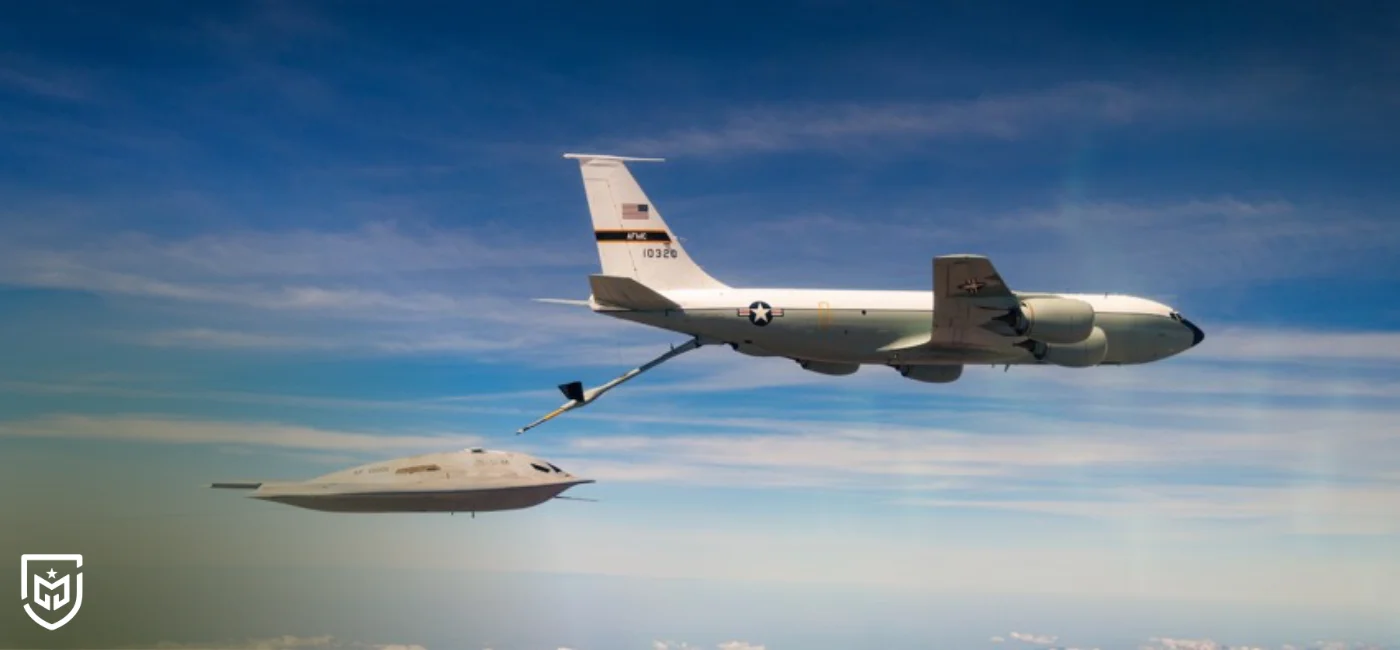
The U.S. Air Force is making a notable shift in its future aerial refueling plans. According to Defense One, the service’s 2027 budget request eliminates funding for the Next-Generation Air Refueling System, known as NGAS, and instead creates a new funding line for improving existing tanker mission systems. This move shows that, in the near and medium term, the Air Force may focus less on developing a brand-new tanker aircraft and more on making current refueling platforms more connected, survivable and effective in contested environments.
In the previous year, the Air Force had allocated about $12 million for future tanker development work. In the new budget request, however, the service is asking for $13 million under a new category called Advanced Tanker Systems. Officials said this funding will be used for mission systems rather than a new aircraft platform, while analysis of future tanker requirements will continue. Major General Verdugo, the Air Force’s deputy assistant secretary for budget, said the approach is intended to provide more options beyond NGAS and strengthen future tanker systems for contested operational environments.
The decision comes as the U.S. Air Force continues to invest heavily in its combat aircraft fleet. The latest budget request includes funding for 24 F-15EX fighters, 38 F-35 fighters, and billions of dollars for the F-47 next-generation fighter and B-21 bomber programs. By contrast, the tanker fleet is being handled more cautiously. The Air Force is requesting funding for 15 KC-46 tanker aircraft while planning to retire around 20 older KC-135 tankers.
Defense experts warn that delays in developing a new tanker aircraft could create a serious imbalance in the future. As the United States builds more advanced fighters and bombers, it must also maintain a modern refueling fleet capable of supporting them over long distances. One former military official cited in the report said prioritizing combat aircraft is understandable, but warned that failing to fully include air mobility and refueling capacity in programming strategy could create capability gaps.
The Air Force tanker fleet has long been under pressure because of aging aircraft and the demands of modern combat. The KC-135 fleet, in particular, raises concerns due to its age and extended service life. Lieutenant General Reba Sonkiss, acting head of Air Mobility Command, previously warned that the service could face an unacceptable reality in which a 90-year-old tanker is expected to refuel the B-21 bomber in the future.
The problem is not only the age of current aircraft. Air Mobility Command officials have also said that tanker and transport fleets need communications and connectivity upgrades to maintain awareness of friendly and hostile air assets in complex combat environments. Under the new Advanced Tanker Systems funding line, the Air Force is expected to focus on improvements in communications, battlespace awareness and survivability.
An Air Force spokesperson said the service continues to study future options under the NGAS Analysis of Alternatives to ensure resilient and persistent aerial refueling in high-threat environments. The focus is on platform-independent capabilities, especially connectivity, situational awareness and survivability. This suggests that before committing to a new tanker aircraft design, the Air Force wants to improve shared mission systems that can support both current and future refueling platforms.
Still, zeroing out NGAS funding does not necessarily mean the future tanker effort has ended. The Air Force is continuing its analysis of long-term tanker needs. However, the current budget choice shows that the near-term priority is improving the ability of KC-46 and other modernized systems to operate in contested environments, rather than immediately starting a new tanker aircraft development program.
This shift could have major consequences for the future structure of U.S. airpower. Modern fighters, long-range bombers and air operations across large theaters such as the Pacific depend directly on reliable aerial refueling networks. Tankers are therefore not just support aircraft; they are strategic enablers that determine the reach, endurance and striking power of air operations.
The Air Force’s new budget approach points to a system-centered transformation in aerial refueling rather than a platform-centered one. Investments in connectivity, situational awareness, survivability and mission systems could keep existing tankers relevant for longer. However, delays in next-generation tanker development may become a larger strategic debate in the coming years, especially as the KC-135 fleet continues to age and the combat aircraft fleet grows more advanced.


The cookies used on our website are used to provide you with a better user experience and to improve our website. You can manage your cookie preferences from the options below.
 Süheyla Yıldız
Post Comment
Comments
No comments yet.
Related News
SSB Sector Meeting: Focus on Supply Chain and Production Capabilities
Turkish defense industry signed 15 billion dollars in new contracts in 2026
SSB Hosts Second Supply Chain Strengthening Summit
Skyfall II Exercise: U.S. Army Demonstrates UAV Defense Capabilities in Germany
SSB Chief: Transparent Licensing Will Strengthen Defense Cooperation
STM's Swarm UAV System Demonstrates Operational Success at Ateş Serbest-2026
TUSAŞ Kamikaze UAV Systems Achieve Success in Exercise Ateş Serbest-2026
Fire Free-2026 Exercise Successfully Completed