




Naval Forces News
Electronic Systems


BREAKING NEWS
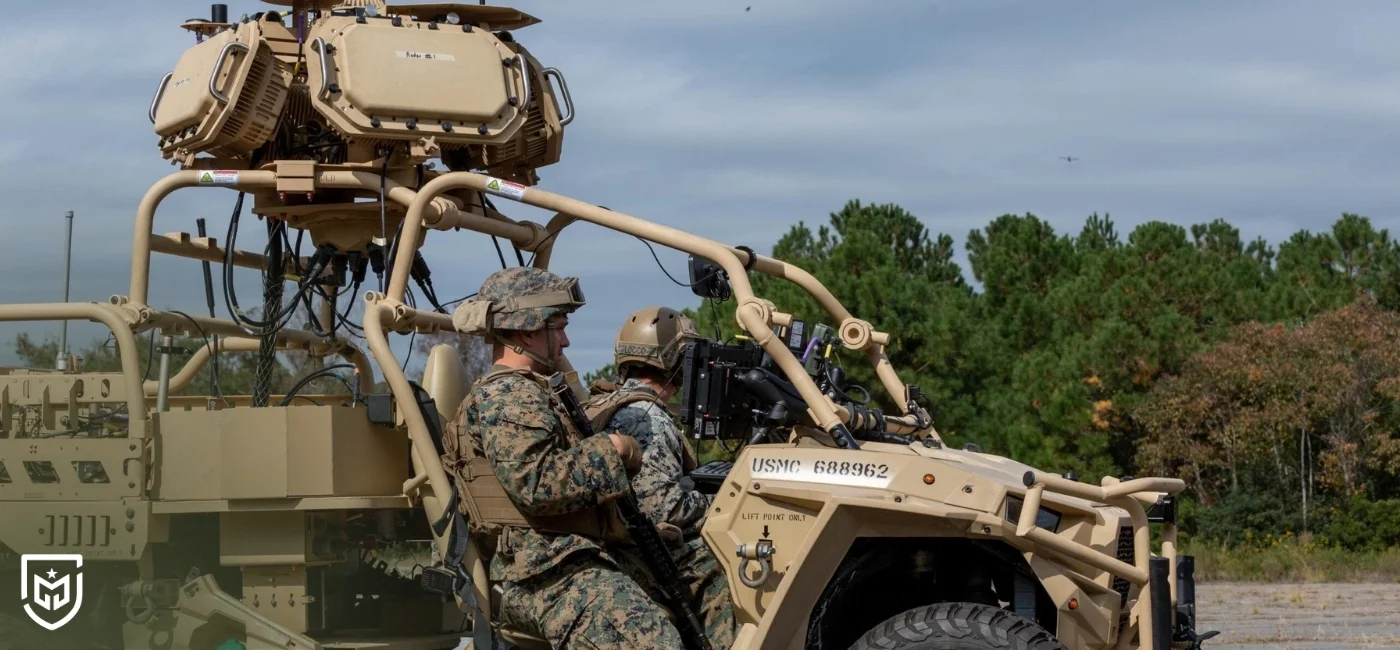
One of the clearest lessons from the war in Ukraine has been the growing importance of unmanned aerial systems and thermal sensing technologies on the modern battlefield. Drones equipped with infrared and heat-detecting sensors have made it far more difficult for troops to remain concealed using conventional camouflage methods. As a result, the long-standing military principle of avoiding detection has once again become one of the most critical elements of battlefield survival. In response to this changing threat environment, the US Marine Corps has launched a new effort to develop a next-generation camouflage solution capable of reducing both visual and thermal signatures.
According to a “Sources Sought” notice published by Marine Corps Systems Command, the service is seeking industry input for a new system called the Multispectral Camouflage Overgarment (MCO). The deadline for submissions has been set for April 22. The new overgarment is intended to provide concealment across multiple parts of the electromagnetic spectrum, significantly lowering the visibility of Marines to a range of modern sensors. In addition to reducing exposure in the visible spectrum, the MCO is expected to offer protection in the near-infrared (NIR), short-wave infrared (SWIR), mid-wave infrared (MWIR), and long-wave infrared (LWIR) bands. This means the system is being designed not only to help Marines blend into their surroundings visually, but also to suppress heat signatures that can be picked up by thermal imagers.
The procurement plan outlined by the Marine Corps shows the scale of the requirement. The service aims to acquire 13,000 camouflage cloaks by 2027 and expand that number to a total of 61,000 by 2030. The overgarments are expected to serve as an individual signature management solution for Marines during both training and operational missions. However, the system is not intended for routine garrison use, highlighting that it is being designed specifically for field conditions where survivability against advanced surveillance systems is essential. Technical requirements indicate that the garment must reduce the probability of detection against both ground-based and airborne sensors at specific distances. For daytime operations, it must provide concealment from ground sensors at a minimum range of 600 meters, while airborne sensors such as those mounted on drones must be countered at a minimum of 1,000 meters. Against MWIR sensors, the concealment requirements are even more demanding, reflecting the growing battlefield role of thermal imaging systems.
The MCO is planned as a single-piece, loose-fitting overgarment capable of covering a Marine’s uniform, gear, and equipment. Ease of use is also a major design consideration, with the Corps requiring the cloak to be donned or removed within 15 seconds over an existing uniform. Durability standards are also notable. The garment is expected to have a service life ranging from 90 days to one year and withstand at least 50 wash cycles. Weight is another important factor, with the maximum limit set at 3.5 pounds, or approximately 1.6 kilograms, while the preferred target is below 2 pounds, around 0.9 kilograms. These requirements show that the Marine Corps is seeking a solution that balances concealment performance with practical use in demanding combat environments.
Similar camouflage solutions are already being fielded by other militaries. The UK Royal Marines use Saab’s Barracuda camouflage cloak, while Russian forces have also reportedly relied on thermal camouflage garments during the war in Ukraine to reduce their visibility to Ukrainian drones equipped with thermal sensors. At the same time, battlefield experience has shown that not every solution is equally effective. Poorly designed products can actually increase risk by creating a colder or contrasting thermal spot against a warmer background, making the wearer easier to detect rather than harder to find. For this reason, the US Marine Corps’ search for a new multispectral camouflage cloak is more than a routine equipment program. It reflects a broader effort to adapt to a battlespace where drones, thermal optics, and persistent surveillance are reshaping how soldiers move, hide, and survive.


The cookies used on our website are used to provide you with a better user experience and to improve our website. You can manage your cookie preferences from the options below.
 Süheyla Yıldız
Post Comment
Comments
No comments yet.
Related News
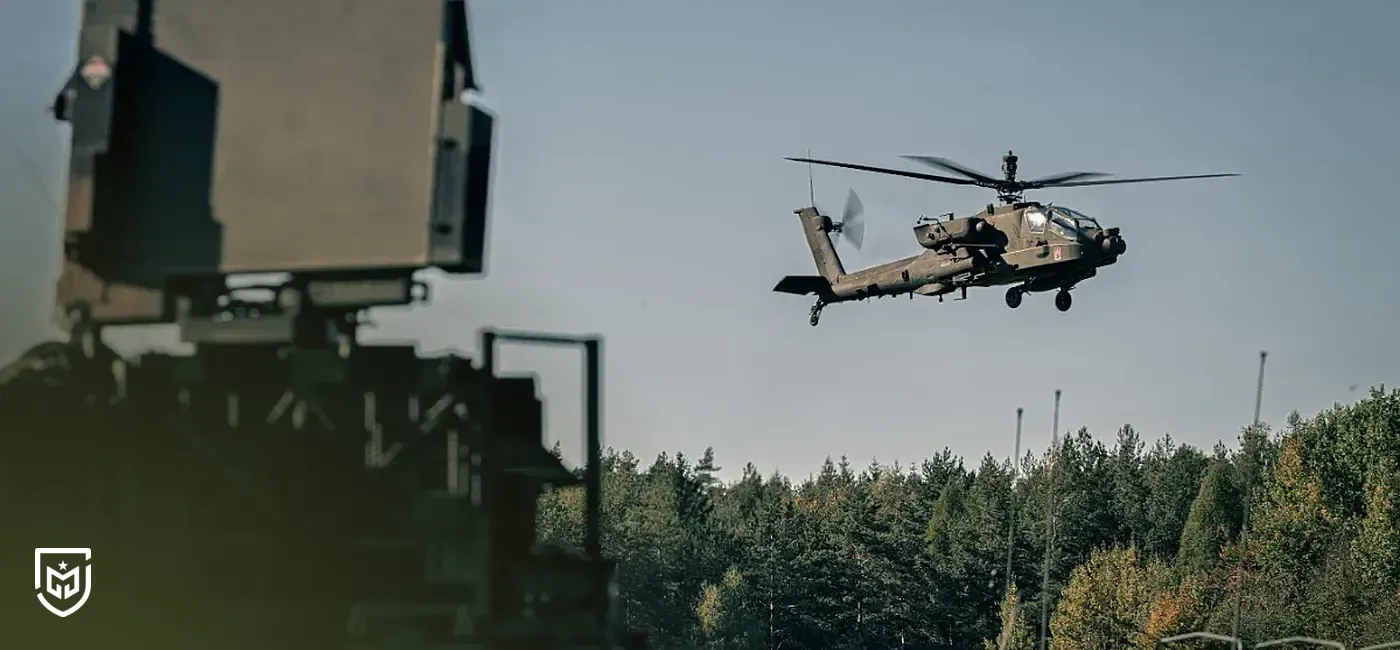
Skyfall II Exercise: U.S. Army Demonstrates UAV Defense Capabilities in Germany
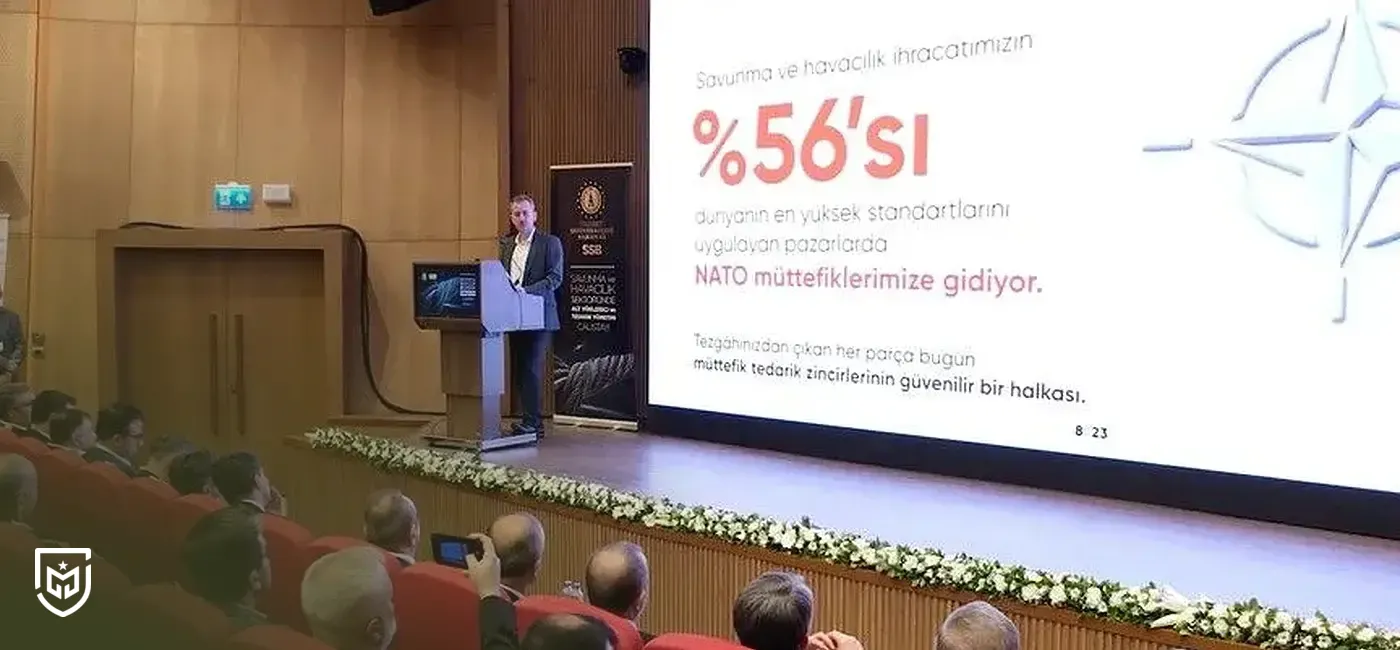
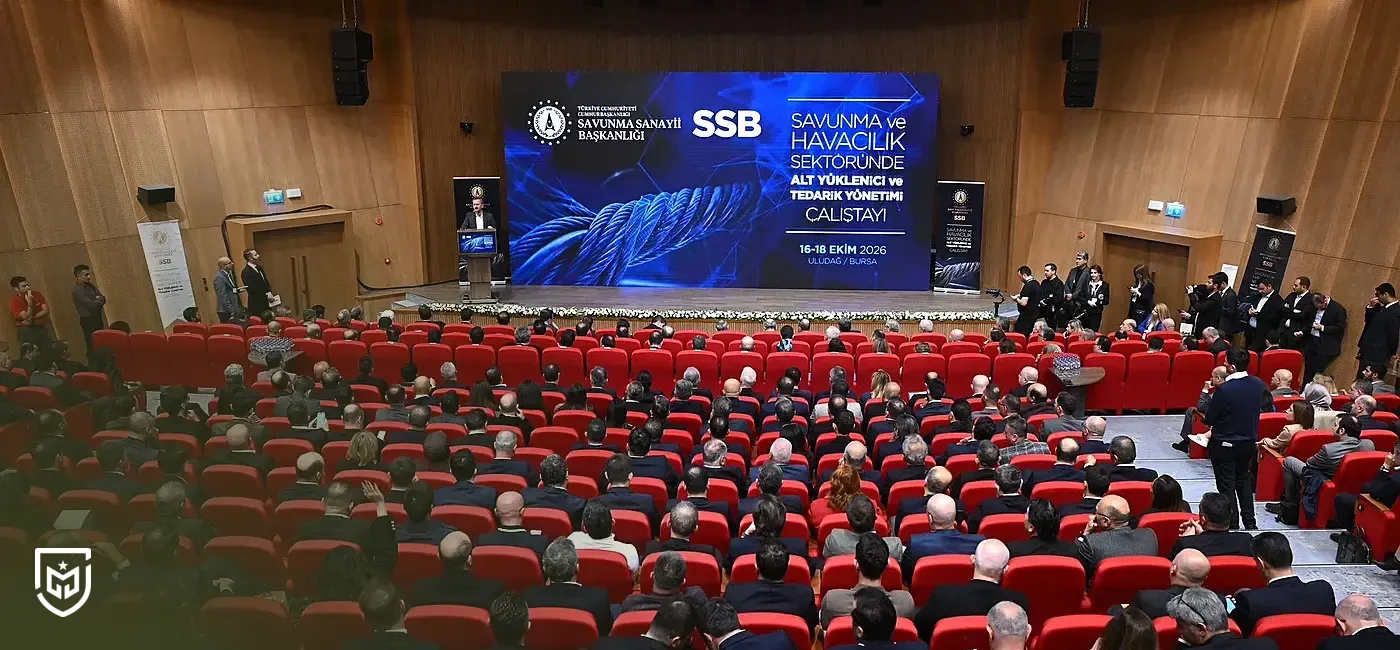
IDA Turkey 2026 Defense and Aviation Industrial Cooperation Days Launched
SSB Chief: Transparent Licensing Will Strengthen Defense Cooperation
STM's Swarm UAV System Demonstrates Operational Success at Ateş Serbest-2026
ÇAKIR Cruise Missile Supply Contract Signed
Drone Shield Showcased at Marksman Competition
Fire Free-2026 Exercise Successfully Completed
Görgün: Turkish-German defense partnership to be revitalized with new vision