


Air Forces News
Global Developments


BREAKING NEWS
The Greek Ministry of National Defence is preparing to present a comprehensive defense package worth nearly €5 billion to the relevant parliamentary committee, aiming to strengthen the country’s air, naval, and logistical capabilities at the same time. Expected to be submitted on March 16, 2026, the package stands out as one of the most significant steps in Athens’ ongoing defense transformation strategy. The program includes the establishment of a national air defense system, modernization of F-16 Block 50 fighter jets, infrastructure investments for F-35 aircraft, logistical support for C-27J Spartan transport aircraft, and modernization of MEKO 200HN-class frigates.
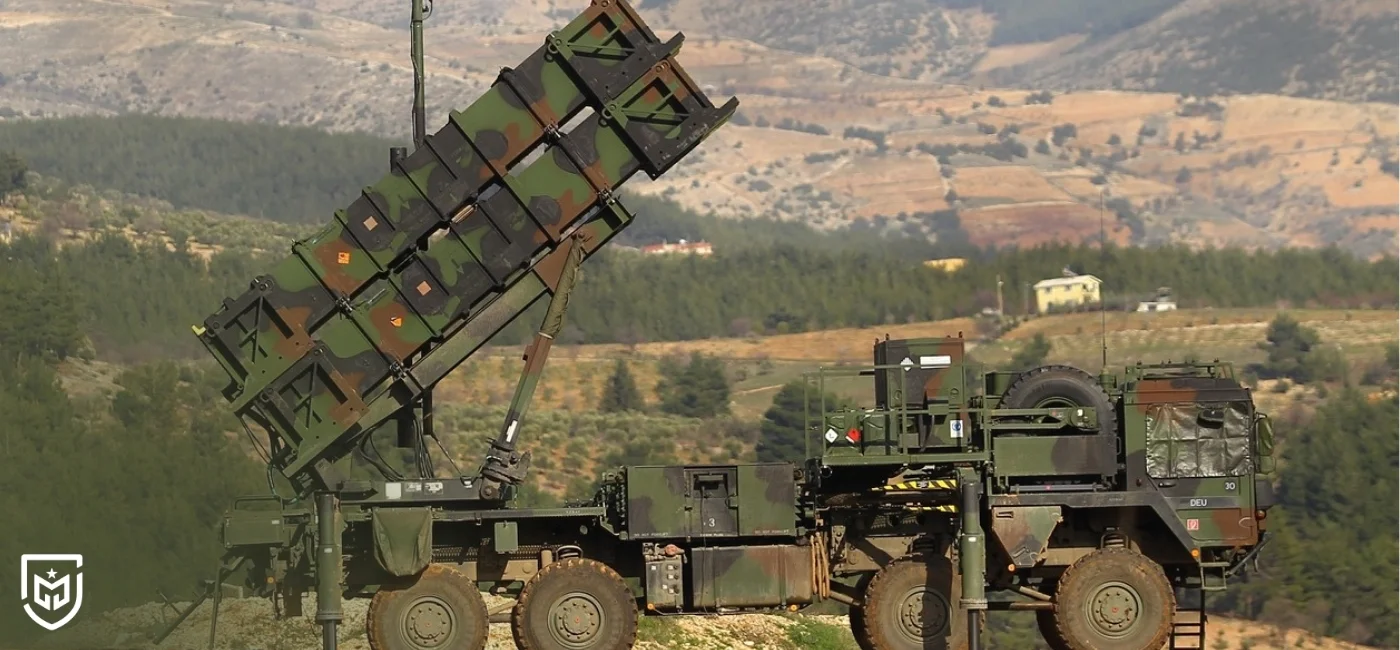
The largest and most strategic part of the package is the approximately €3 billion multi-layered national air defense system. The new architecture planned by Greece is designed to provide integrated protection against a broad range of threats, including ballistic missiles, cruise missiles, fighter aircraft, unmanned aerial vehicles, and low-cost kamikaze drones. Built around a network-centric operational concept, the system will combine radars, sensors, command-and-control assets, and interceptors within a single integrated structure. This approach is intended to enable earlier threat detection, faster decision-making, and more effective interception.
The proposed air defense architecture is based on three major Israeli systems. The Spyder system will form the first line of defense against short- and medium-range threats. Using Python-5 and Derby missiles, the system is expected to perform rapid interception missions against fighter aircraft, helicopters, cruise missiles, and UAVs. The middle layer will be provided by the Barak MX system. Equipped with Barak MR, LR, and ER missile options, the system can engage aerial threats at ranges of up to 150 kilometers and offers flexibility through its modular design. At the upper layer, David’s Sling will play a critical role. Using the Stunner interceptor missile, the system is designed to counter ballistic missiles and advanced cruise missiles with a hit-to-kill principle, creating an intermediate layer between conventional air defense and ballistic missile defense.
For early warning and target detection, Greece is reportedly planning to use ELM-2084 AESA radars. These radars are expected to provide a significant operational advantage, especially in high-threat environments requiring multi-target tracking and rapid response. Athens is also aiming to establish a national command-and-control network that will connect all sensors and air defense elements. In addition to foreign procurement, local industry participation is expected to be part of the development process. In this way, Greece is seeking to support imported defense capabilities with domestic industrial involvement.
Another major pillar of the package is the modernization of 38 F-16 Block 50 fighter aircraft in the Hellenic Air Force inventory. Under the approximately €1.1 billion program, the aircraft are set to be upgraded to the Viper configuration. The modernization will include the integration of the AN/APG-83 AESA radar, a new mission computer, and advanced data link systems. These upgrades are intended to ensure a higher degree of interoperability with Greece’s Rafale fighter jets and future F-35 aircraft. The move also demonstrates that Greece aims to enhance its air power not only in numerical terms, but also in terms of digital integration and joint operational capability.
Athens’ preparations for the F-35 program also occupy an important place in the package. Infrastructure investments worth around €290 million are planned for the 117th Combat Wing at Andravida Air Base. The project includes the construction of maintenance facilities, hardened hangars, security systems, and cyber defense infrastructure. These preparations are seen as important not only for the future deployment of F-35 aircraft, but also for strengthening Greece’s role as a key air power hub in Southeastern Europe. The planned F-35 infrastructure works clearly underline the country’s long-term commitment to its future air combat concept.
Logistics and naval modernization are also among the key elements of the package. A five-year support contract for C-27J Spartan transport aircraft is expected to cover spare parts supply, technical support, and selected modernization work. Valued at approximately €241 million, the agreement aims to improve the operational availability of the transport fleet. On the naval side, a modernization program will begin for four MEKO 200HN-class frigates of the Hellenic Navy. This will involve upgrades to the ships’ combat management systems, radars, electronic warfare suites, and sensors. In particular, the integration of the TACTICOS combat management system developed by Thales Nederland will allow the ships’ sensors and weapons to be controlled from a single digital center. The frigates are also expected to be upgraded to employ newer versions of ESSM air defense missiles.
Looking at the overall picture, this defense package worth nearly €5 billion is not merely a procurement effort but part of Greece’s broader attempt to transform its force structure into a more integrated, digital, and multi-layered system. Its new defense doctrine, shaped by Rafale fighter jets, FDI frigates, and the F-35 program, is increasingly centered on air defense, joint operations capability, and platform modernization. If approved, the package is expected to accelerate Greece’s defense restructuring in the coming years and could have a notable impact on the military balance in the Eastern Mediterranean and surrounding regions.


The cookies used on our website are used to provide you with a better user experience and to improve our website. You can manage your cookie preferences from the options below.
 Süheyla Yıldız
Post Comment
Comments
No comments yet.
Related News
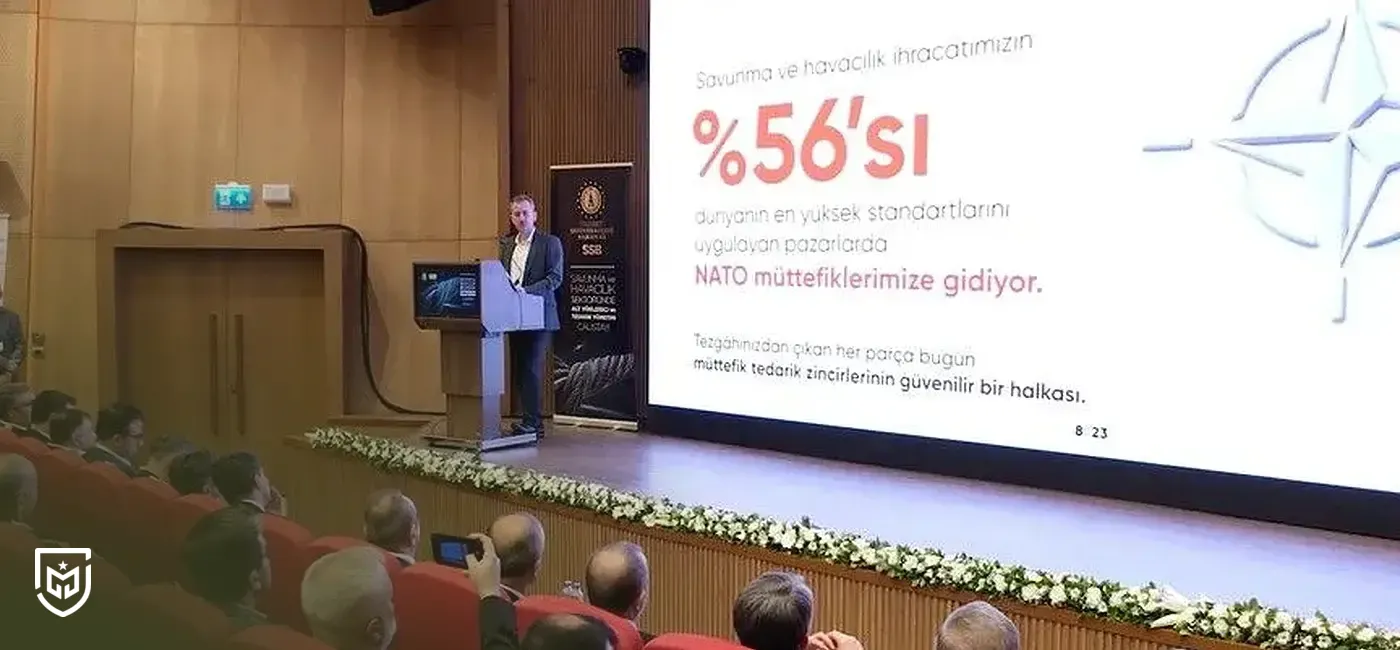
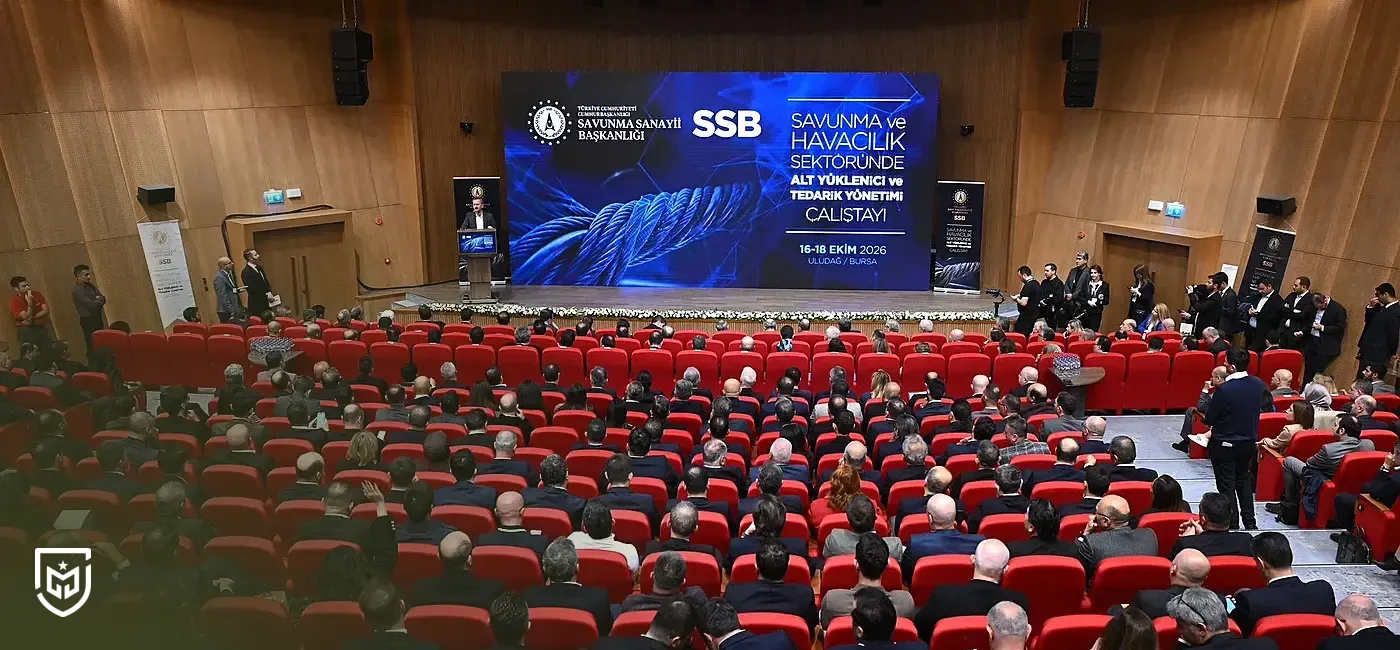
SSB Sector Meeting: Focus on Supply Chain and Production Capabilities
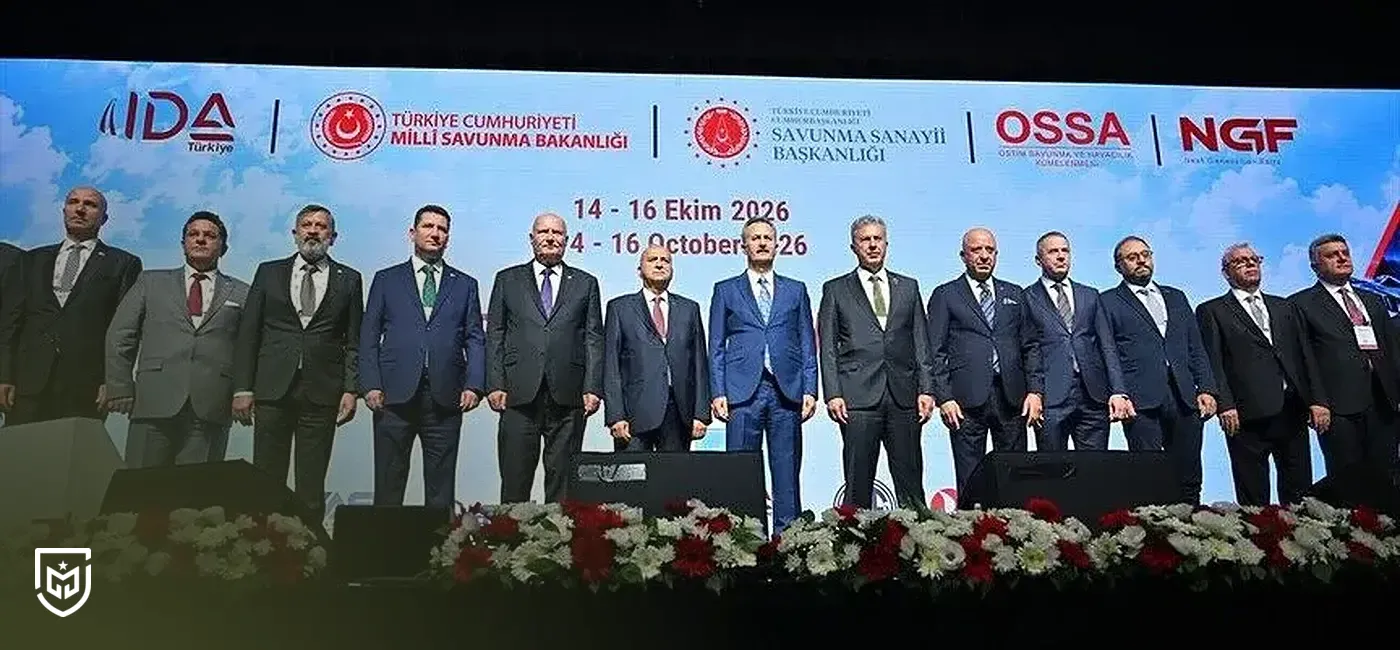
Turkish defense industry signed 15 billion dollars in new contracts in 2026
SSB Hosts Second Supply Chain Strengthening Summit
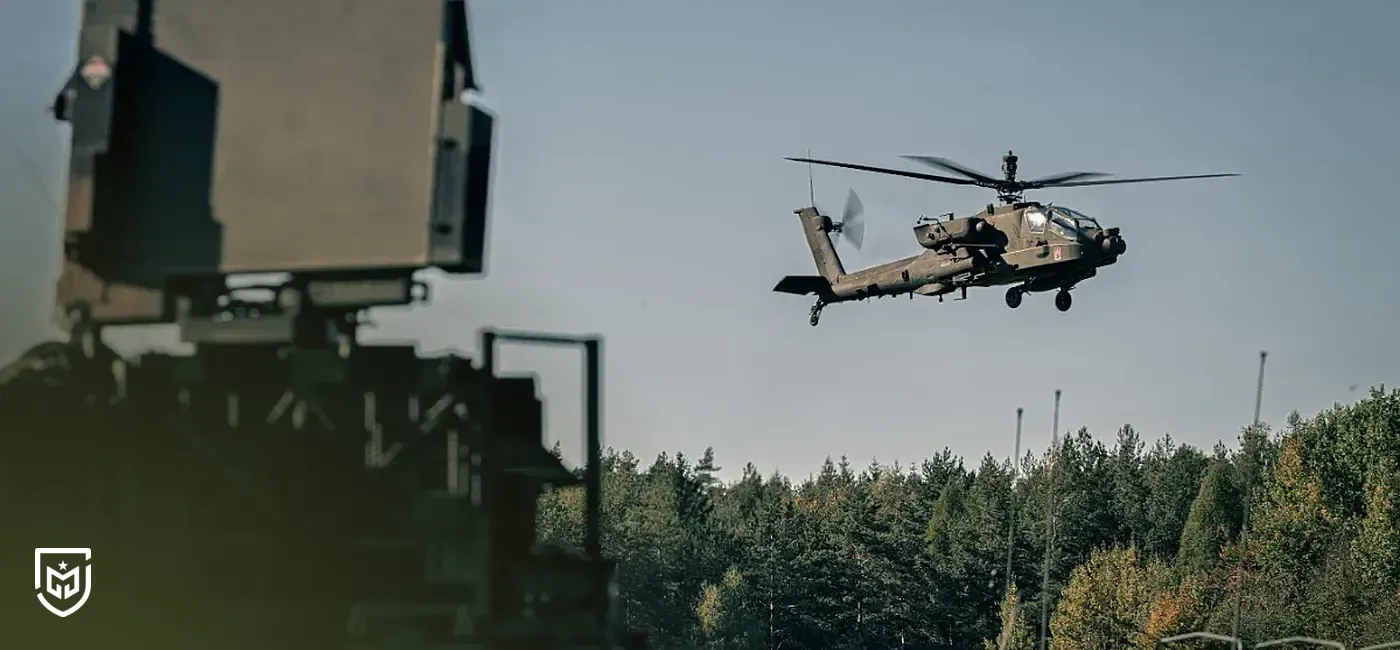
Skyfall II Exercise: U.S. Army Demonstrates UAV Defense Capabilities in Germany
SSB Chief: Transparent Licensing Will Strengthen Defense Cooperation
STM's Swarm UAV System Demonstrates Operational Success at Ateş Serbest-2026
TUSAŞ Kamikaze UAV Systems Achieve Success in Exercise Ateş Serbest-2026
Fire Free-2026 Exercise Successfully Completed