


Missiles and Rockets
Global Developments


BREAKING NEWS
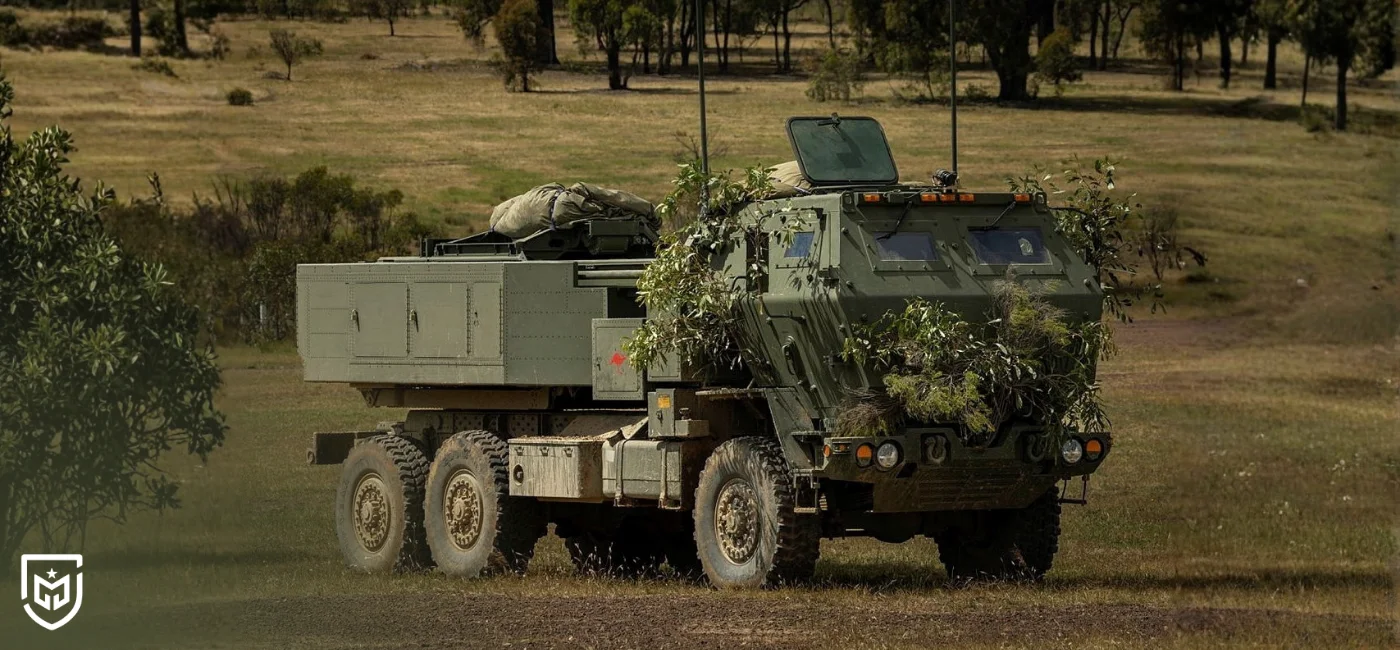
Lockheed Martin has emerged as the winner of Australia’s major long-range missile competition, securing a central role in Canberra’s effort to expand its precision strike capability. The selected package combines the HIMARS launcher with the Precision Strike Missile (PrSM), while the competing StrikeMaster solution developed by Thales and Kongsberg was not chosen. The program is valued at around $2.7 billion, highlighting the scale of Australia’s push to strengthen its long-range land-based firepower.
The rejected StrikeMaster concept had been built around the locally produced Bushmaster armored vehicle and was designed to carry two Naval Strike Missiles (NSM). It aimed to deliver at least 250 kilometers of range against both land and maritime targets, offering a flexible and relatively cost-effective area-denial capability, particularly suited to Australia’s northern approaches. Although the concept drew attention as a local and innovative option, it ultimately did not secure the contract.
Australia’s decision to move forward with HIMARS reflects a preference for a more mature and widely fielded system. HIMARS has already established itself as one of the most prominent long-range rocket artillery platforms in the world, and its integration with PrSM gives Australia access to a strike capability that is both operationally proven and strategically aligned with the broader Western defense architecture. In practical terms, this means Canberra is prioritizing lower integration risk, faster fielding, and stronger interoperability.
At the same time, the outcome may still support Australia’s industrial ambitions. Officials have indicated that domestic industry could potentially take part in producing some of the munitions used by HIMARS. This means the program is not simply about importing a finished capability, but also about connecting that purchase to a broader manufacturing and defense-industry strategy. In that sense, the decision strengthens both Australia’s military strike posture and its long-term industrial planning.
For Thales, however, the loss does not mean a full retreat from Australia’s defense sector. The company still maintains an important position in the local defense-industrial base, especially through Bushmaster production and other vehicle-related programs. Even so, the future of StrikeMaster now appears uncertain unless it is reshaped for another requirement or positioned for export opportunities elsewhere.
Overall, Australia’s decision reflects a wider global trend in defense procurement: countries increasingly prefer systems that are already fielded, interoperable, and rapidly deployable in a deteriorating strategic environment. By choosing HIMARS and PrSM, Canberra is not only accelerating its long-range strike modernization, but also deepening its defense alignment with the United States in the Indo-Pacific.


The cookies used on our website are used to provide you with a better user experience and to improve our website. You can manage your cookie preferences from the options below.
 Süheyla Yıldız
Post Comment
Comments
No comments yet.
Related News
SSB Sector Meeting: Focus on Supply Chain and Production Capabilities
Turkish defense industry signed 15 billion dollars in new contracts in 2026
SSB Hosts Second Supply Chain Strengthening Summit
SSB Chief: Transparent Licensing Will Strengthen Defense Cooperation
ÇAKIR Cruise Missile Supply Contract Signed
Drone Shield Showcased at Marksman Competition
Fire Free-2026 Exercise Successfully Completed
Görgün: Turkish-German defense partnership to be revitalized with new vision