



Air Forces News
Electronic Systems


BREAKING NEWS
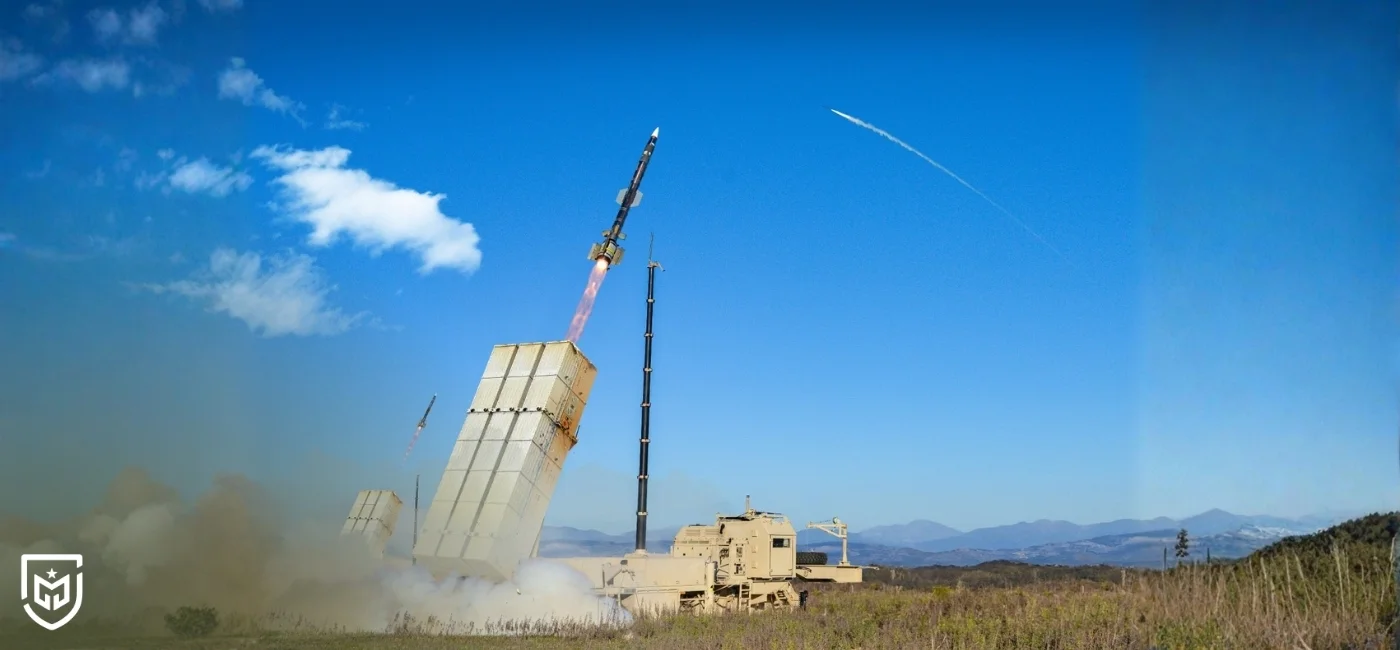
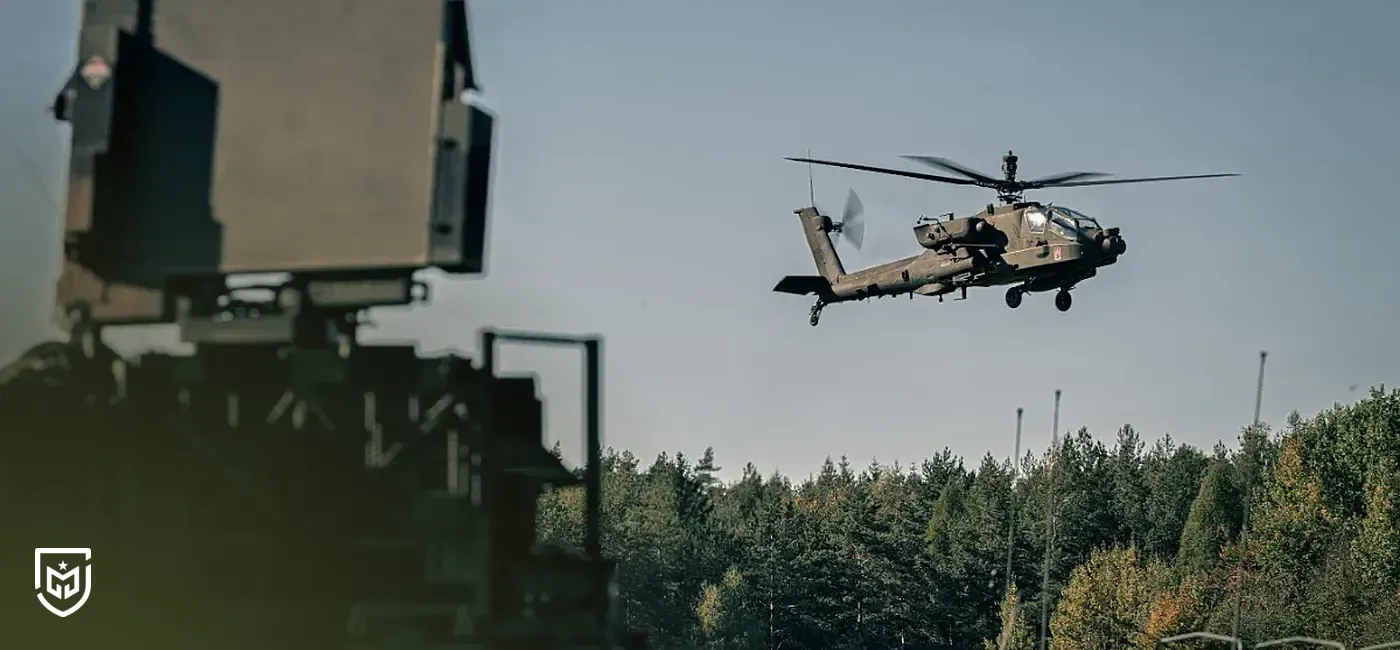
Greece has accelerated the implementation phase of its “Dome” (Tholos) air defense project, which is designed to counter unmanned aerial vehicles (UAVs) and low-altitude aerial threats. According to Greek defense planning, the system is expected to become fully operational by 2027 and is considered one of the priority projects within the modernization program of the Hellenic Armed Forces.
As reported by the Greek daily Kathimerini, the Tholos system is widely seen as a strategic response to the expanding UAV and UCAV capabilities of Türkiye. Greek Defense Minister Nikos Dendias has previously stated that the primary objective of the Tholos project is to render Greek airspace “impenetrable,” underlining Athens’ growing focus on layered and integrated air defense.
The Tholos system is planned to feature a two-layer architecture. The first layer will focus on detecting UAVs and neutralizing them through electronic warfare measures or kinetic interception. This layer is intended to address asymmetric and low-cost aerial threats. The second layer will consist of anti-aircraft and missile-based elements capable of engaging a wider range of aerial targets at varying distances and altitudes, providing comprehensive coverage against conventional air threats.
Greek media outlets note that Tholos will operate in a manner similar to Israel’s Iron Dome, but will be specifically adapted to the unique geographical conditions of the Aegean Sea and the Evros (Meriç) region. Greek defense industry companies are also expected to participate in the project, with locally developed solutions integrated into the overall system. While technical specifications and funding details remain classified, defense cooperation with Israel is described as a key pillar of the program.
In parallel, Athens has revived talks with Israel on a broader, multi-layered air defense initiative known as the “Achilles’ Shield.” This project aims to establish an Israel-backed, integrated air defense network across Greece, particularly in Thrace and the Aegean islands. Within this framework, Greece plans to replace its Soviet-era OSA-AK and TOR-M1 systems with the SPYDER air defense system developed by Rafael, which is regarded as highly effective against low-altitude threats.
For medium-range air defense, the Barak MX system produced by Israel Aerospace Industries is expected to replace aging US-made HAWK batteries. At the high-altitude and ballistic missile defense level, Greece is evaluating the “Sky Capture” variant of the David’s Sling system. This solution is also seen as a potential replacement for the Russian-made S-300 systems currently in Greek inventory, which have posed interoperability challenges within NATO.
Together, these initiatives highlight Greece’s intention to significantly upgrade its air and missile defense capabilities over the coming years, moving toward a fully integrated, multi-layered architecture capable of addressing both conventional and asymmetric aerial threats.


The cookies used on our website are used to provide you with a better user experience and to improve our website. You can manage your cookie preferences from the options below.
 Süheyla Yıldız
Post Comment
Comments
No comments yet.
Related News
Skyfall II Exercise: U.S. Army Demonstrates UAV Defense Capabilities in Germany
IDA Turkey 2026 Defense and Aviation Industrial Cooperation Days Launched
SSB Chief: Transparent Licensing Will Strengthen Defense Cooperation
STM's Swarm UAV System Demonstrates Operational Success at Ateş Serbest-2026
TUSAŞ Kamikaze UAV Systems Achieve Success in Exercise Ateş Serbest-2026
ÇAKIR Cruise Missile Supply Contract Signed
Drone Shield Showcased at Marksman Competition
Fire Free-2026 Exercise Successfully Completed