


Electronic Systems
Global Developments


BREAKING NEWS
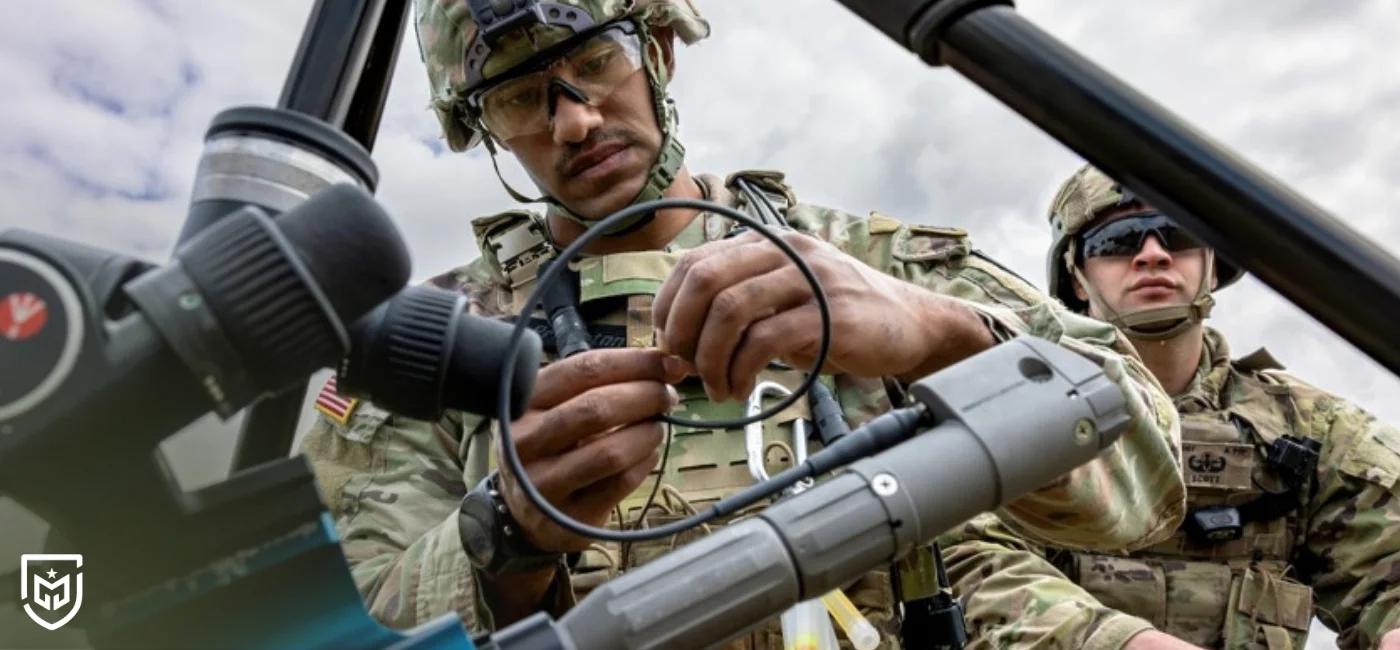
Concerns over unmanned systems are growing rapidly within US defense circles, and Brig. Gen. Matt Ross, head of Joint Interagency Task Force-401, has delivered a striking warning. Ross stated that the threat posed by small drones will exceed the danger once created by improvised explosive devices (IEDs), which caused significant losses to American forces during the Global War on Terror. According to him, the most serious dimension of this threat is that drone technology is spreading not only in the military sphere but also across commercial and civilian markets. This makes the protection of airspace and the defense of critical military and civilian infrastructure far more complex.
Ross’s remarks came amid heightened tensions involving Iran and broader developments in the Middle East. According to the report, the United States is closely studying lessons from recent events in the region and is prioritizing the protection of bases against possible retaliatory drone attacks. Ross emphasized that the focus is not only on forces deployed in the Middle East, but also on ensuring that American assets and allied facilities around the world have the necessary equipment to defend against this type of threat. This approach shows that counter-drone defense is no longer seen as a regional issue, but as a global security requirement.
Another key point highlighted in the report is Washington’s determination not to fall behind the threat curve. Ross said one of the main reasons for establishing the task force was to act before a major drone-related attack occurs on US soil. He also noted that developments in the Middle East over the last week have added urgency to the matter in Washington. As a result, the drone threat is no longer viewed merely as a tactical battlefield problem, but as a central element of broader national security planning.
The work being carried out by JIATF-401 is one of the clearest signs of this transformation. The task force is working alongside agencies such as the FBI and the Department of Homeland Security to develop standards and policies for counter-UAS systems. The report also notes that the organization has launched an online marketplace platform, while its next major goal is to build a common command-and-control architecture that can operate across different military branches and government agencies. Ross stressed that setting data-sharing standards and ensuring interoperability between systems deployed in the field will be critical.
The final point emphasized by the US side is ease of use. Ross said future counter-drone equipment should be as simple to install and operate as a commercial security product. At present, many systems still require manufacturer support and additional expertise, which he described as unsustainable in the long term. This assessment indicates that in the coming period, counter-drone technologies will be judged not only by range and detection success, but also by practical setup, network integration, and rapid interoperability.


The cookies used on our website are used to provide you with a better user experience and to improve our website. You can manage your cookie preferences from the options below.
 Süheyla Yıldız
Post Comment
Comments
No comments yet.
Related News
Altınay Defense Group Transitions to New Management Structure
BAE Systems and Lockheed Martin Unveil Blizzard Multi-Mission Unmanned Aircraft
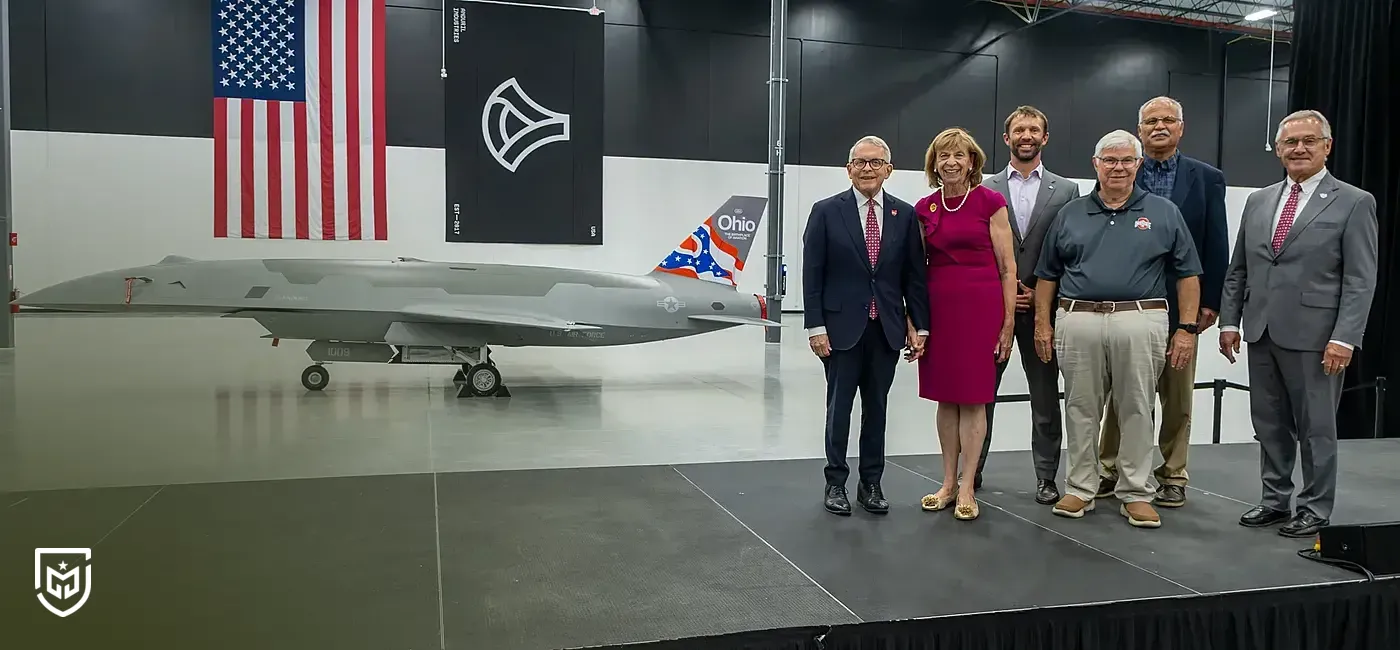
Anduril's Ohio Facility Produces First YFQ-44A Fury Unmanned Combat Aircraft
BAE Systems Raises Outlook as Global Defense Demand Continues to Surge
South Korea's envoy highlights KAAN fighter jets as cornerstone of defense partnership with Türkiye
ASELSAN's Electro-Optical System Integrated into South Africa's Mwari Aircraft
TAI Chief: Turkey Shaping NATO's Future Security Architecture
Anduril Thunder: Autonomous Attack Helicopter with Level 5 Autonomy Capabilities