BREAKING NEWS
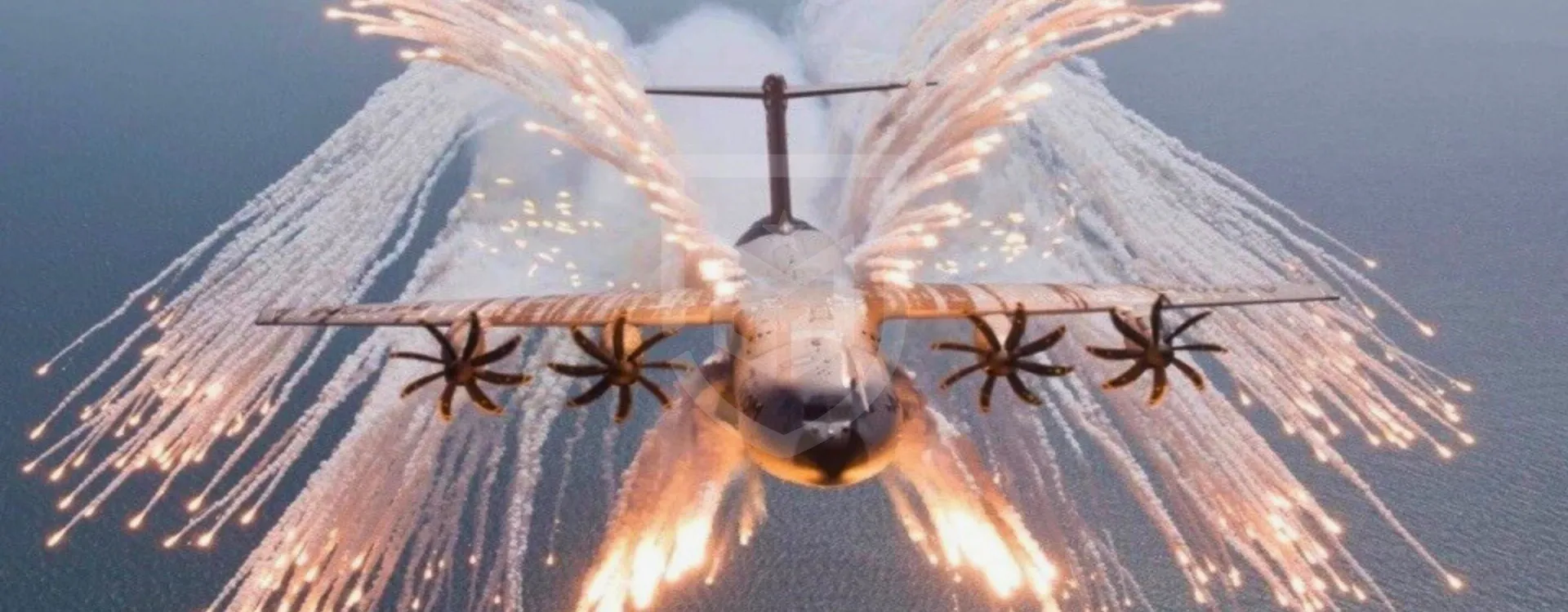
Infrared countermeasure (IRCM) refers to the defensive techniques, technologies, and tactics designed to confuse, decoy, or disrupt heat-seeking (infrared-guided) missiles and sensors targeting aircraft, helicopters, UAVs, and even land/sea platforms. Heat-seeking seekers lock onto thermal signatures such as engine exhaust and hot surfaces; IRCM solutions aim to reduce that signature, break the lock, or lure the seeker away with a more attractive target. The result: the threat either can’t achieve lock or loses it mid-flight.
Why it matters?
On today’s battlefield, even relatively low-cost man-portable air defense systems (MANPADS) pose outsized risks. Effective infrared countermeasures boost survivability, protect crews and platforms, and help ensure mission continuity against widespread IR threats.
How it works?
Passive signature management: Exhaust cooling and mixing, exhaust redirection, coatings, and thermal design features that make the platform “less visible” in IR.
Decoys (flares) and expendables: Timed release of high-temperature decoys to present the seeker with a hotter, nearer, and more enticing target. Sequencing and timing are critical, but operational specifics are intentionally omitted here.
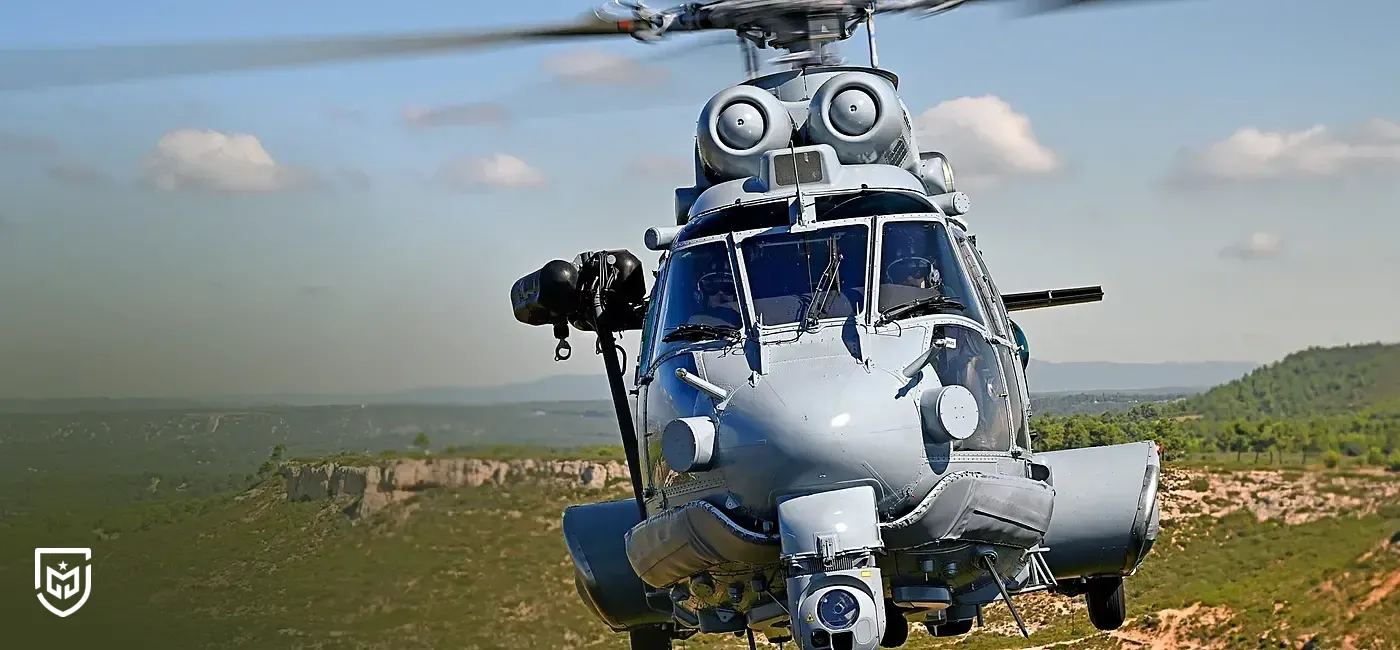
Directed Infrared Countermeasures (DIRCM): Turreted systems that use steerable IR/laser energy to jam, dazzle, or saturate the seeker’s sensor, forcing a break-lock. The system detects–tracks–engages the incoming threat in a closed loop.
Missile approach warning (MAWS) with UV/IR sensors: Early warning enables automatic countermeasure deployment and shortens reaction time.
Tactics and flight profiles: Adjusting altitude, routing, and background management can reduce detection and tracking probability without hardware changes.
Limits and realities
No silver bullet: The most robust protection uses a layered approach—signature management + detection + active countermeasures working together.
Measure–countermeasure race: As seekers advance (imaging IR, multi-spectral discrimination), simple decoys lose effectiveness, increasing the value of DIRCM and smarter algorithms.
Platform and mission constraints: Solutions must fit size, weight, power, and placement limits that differ across helicopters, transports, and UAVs.
Note: This article is general and educational. We exclude operational procedures or step-by-step tactics that could enable misuse.
Bottom line: Infrared countermeasures reduce your heat signature, detect threats early, and deceive the seeker—helping break missile lock, raise survivability, and keep the mission on track.


The cookies used on our website are used to provide you with a better user experience and to improve our website. You can manage your cookie preferences from the options below.



 Levent Kılıçalan