BREAKING NEWS
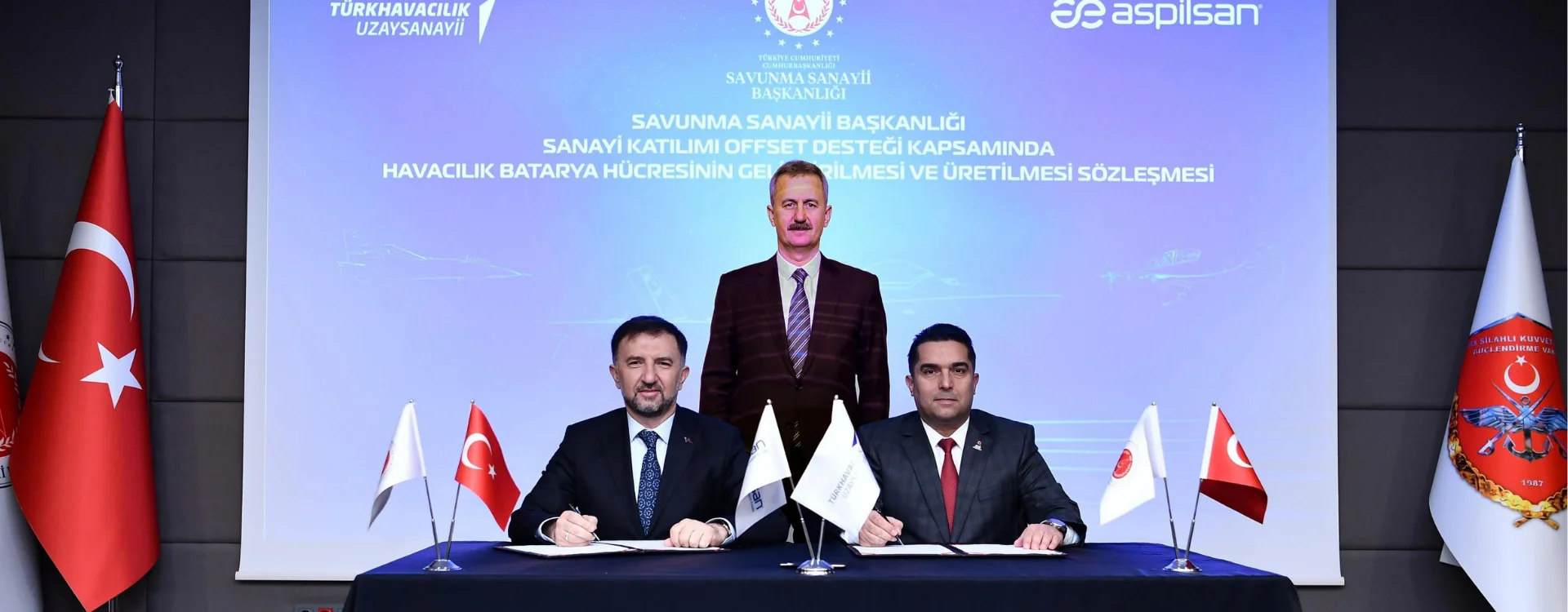
In the defense industry, offset agreements mean that when a country purchases a defense product or system from abroad, it does not make a contract focused only on delivery. In addition, it requires obligations that will provide local industry with production, technology, maintenance, training, exports, and industrial participation. For this reason, offset is not just a procurement model, but also a tool for industrial development, reducing external dependency, and building strategic capabilities. Especially in large-scale and high-cost defense projects, countries aim for a portion of their spending to return to their own industrial ecosystem. This return may take the form of involving local subcontractors in the project, producing critical components domestically, sharing technical knowledge, providing engineering training, and establishing long-term maintenance and repair infrastructure. Therefore, offset agreements in the defense industry stand out today not only as part of the procurement process but also as one of the main tools for building national defense capacity.
From a more technical perspective, offset agreements are generally shaped through direct and indirect practices. Direct offset covers local production, joint manufacturing, subsystem development, establishment of maintenance centers, or gaining spare parts capability directly related to the purchased defense product itself. Indirect offset, on the other hand, includes activities that are not directly tied to the defense product but still contribute to the country’s economy, technology base, or export strength. In Türkiye, the offset approach in defense procurement has been handled with goals such as industrial participation, technology cooperation, R&D, training, exports, and high value-added production. Through this structure, prime contractors are expected not only to deliver products, but also to work with local companies, develop certain capabilities domestically, support supply security, and create long-term value for the defense ecosystem. However, for offset to generate real benefits, it is not enough for it to be written into a contract. Performance must be measured, local contribution must be of high quality, technology transfer must become applicable in practice, and the gains achieved must turn into a sustainable industrial capacity. Otherwise, offset remains only a short-term commercial compensation mechanism. When designed properly, it becomes a strategic lever that transforms a defense purchase into an investment effect for national industry.


The cookies used on our website are used to provide you with a better user experience and to improve our website. You can manage your cookie preferences from the options below.







 Süheyla Yıldız