BREAKING NEWS
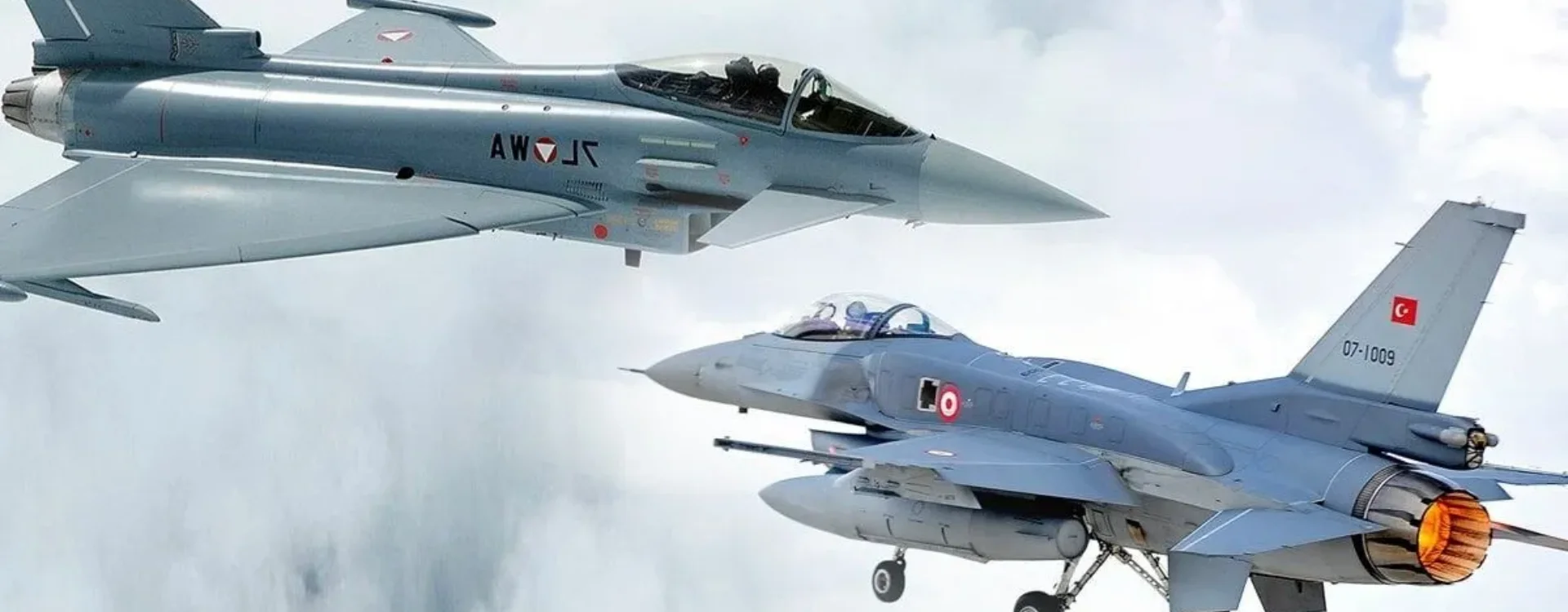
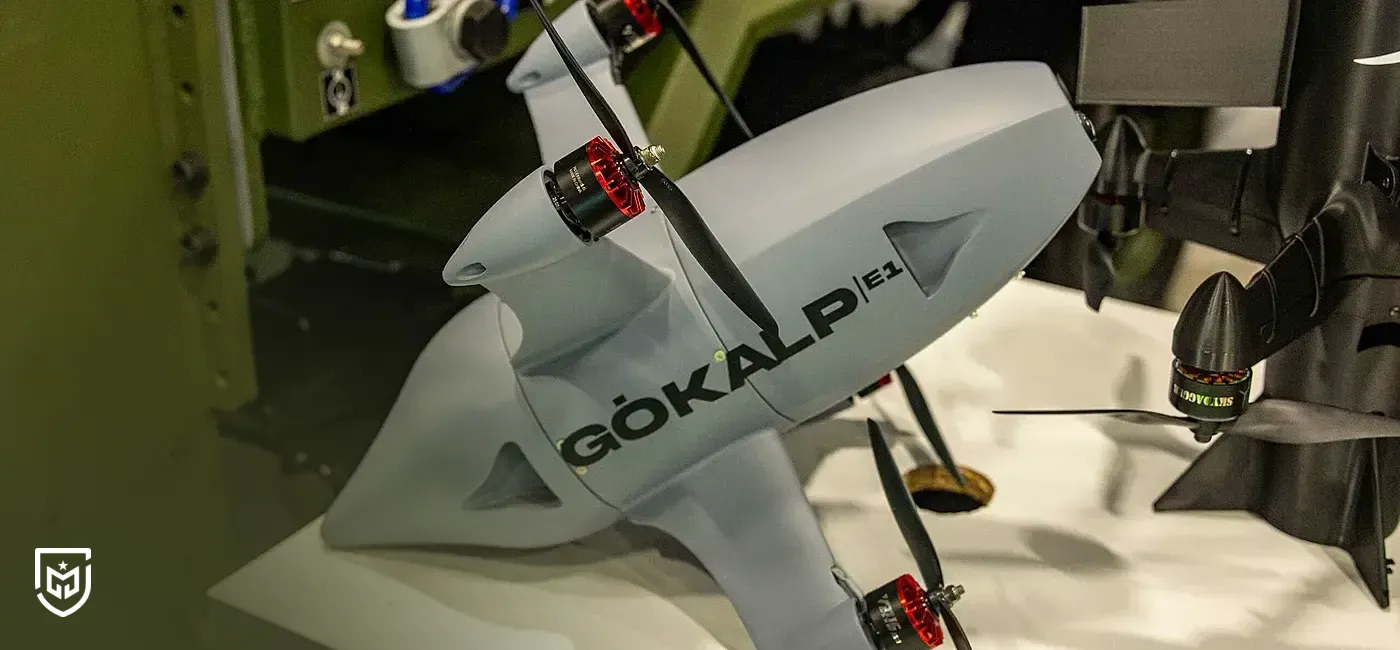
The question of whether a UAV or a fighter jet is more effective has become one of the most discussed topics in modern defense technology. In today’s battlefield, unmanned aerial vehicles stand out with their lower cost, long endurance, reconnaissance capability and reduced risk to personnel, while fighter jets continue to play a critical role with their high speed, powerful payload capacity, air superiority capability and wide mission flexibility. For this reason, it would not be accurate to say that one platform is completely superior to the other. Effectiveness depends on the mission type, threat environment, air defense intensity, operational cost and strategic objective.
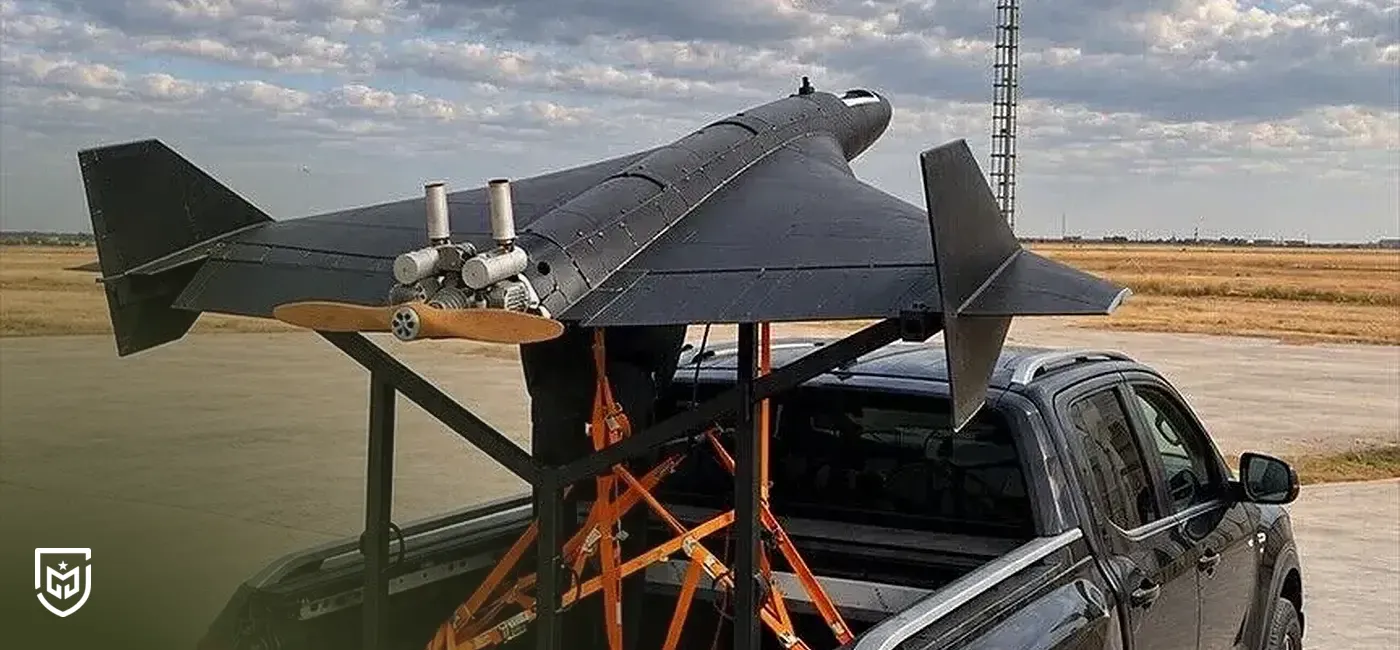
UAVs provide major advantages in reconnaissance, surveillance, target detection, border security, electronic monitoring and precision-support missions. Their lower production and operating costs, ability to operate without putting pilots at risk and capacity to remain airborne for long periods have made UAV systems indispensable for modern armed forces. However, fighter jets remain stronger platforms for missions requiring high altitude, high speed, air-to-air combat, strategic strike capability and operations in areas protected by dense air defense systems.
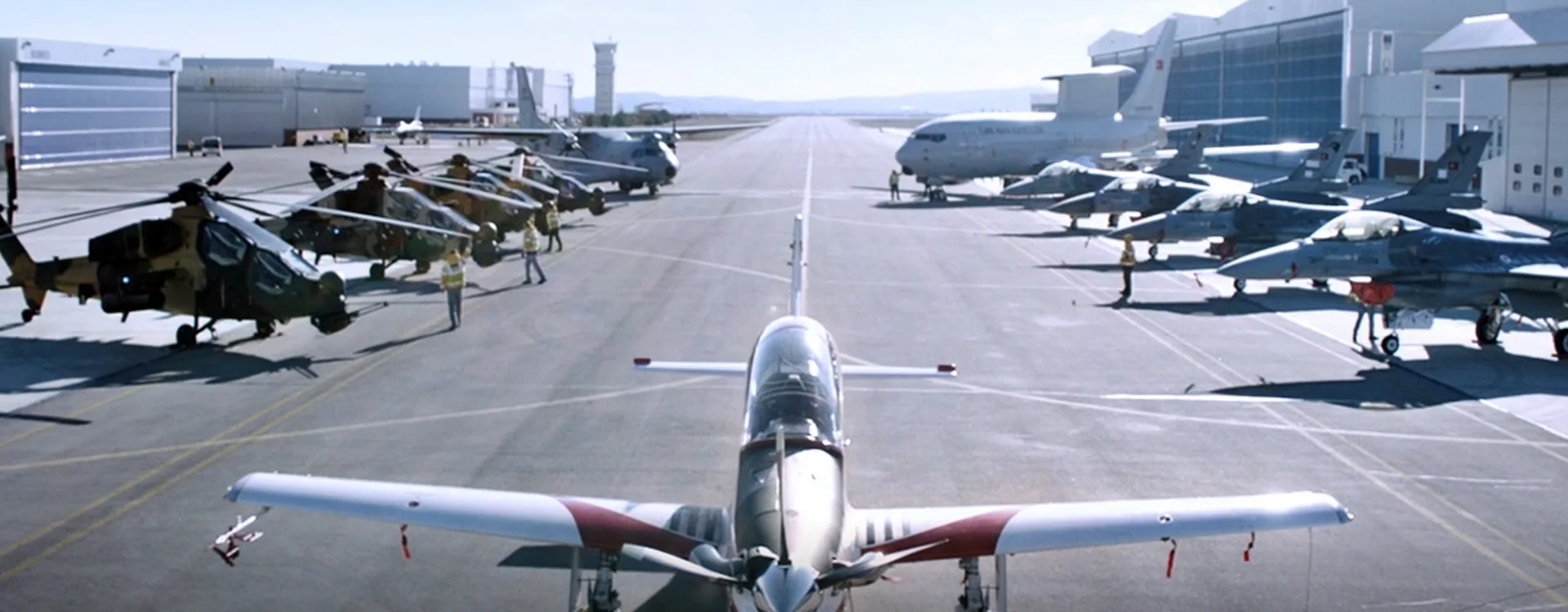
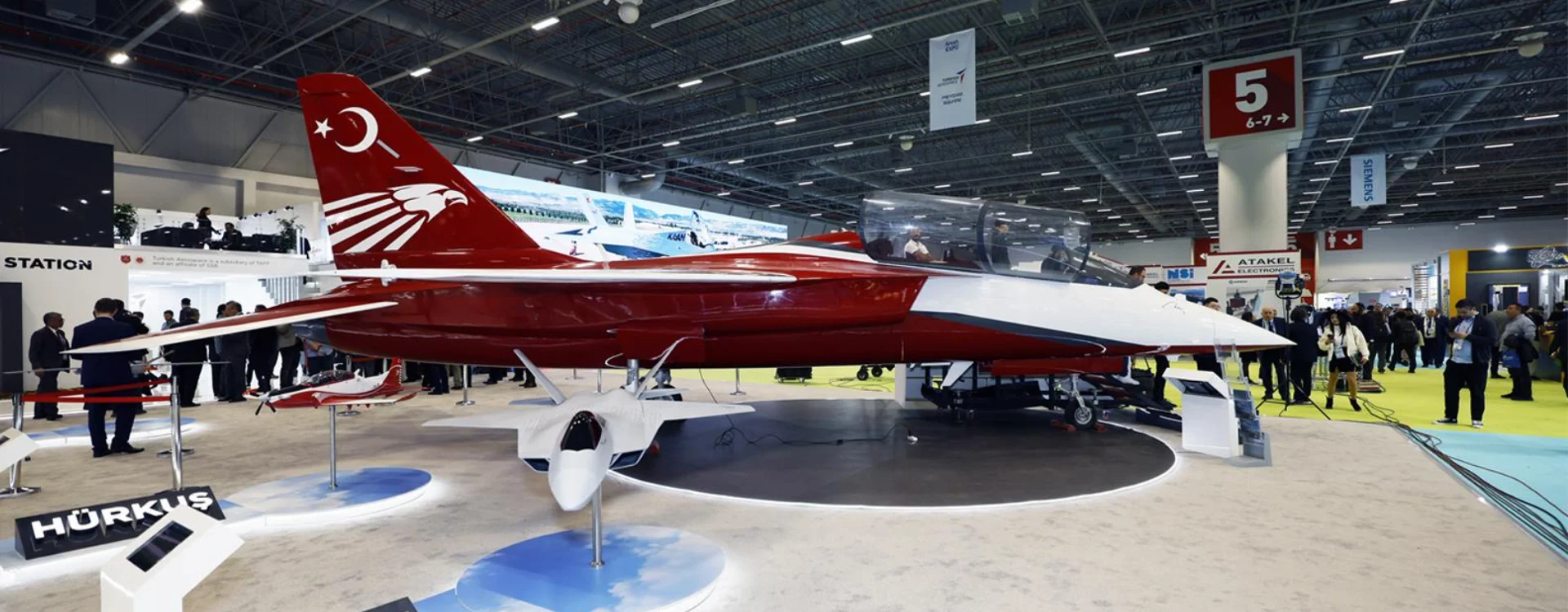
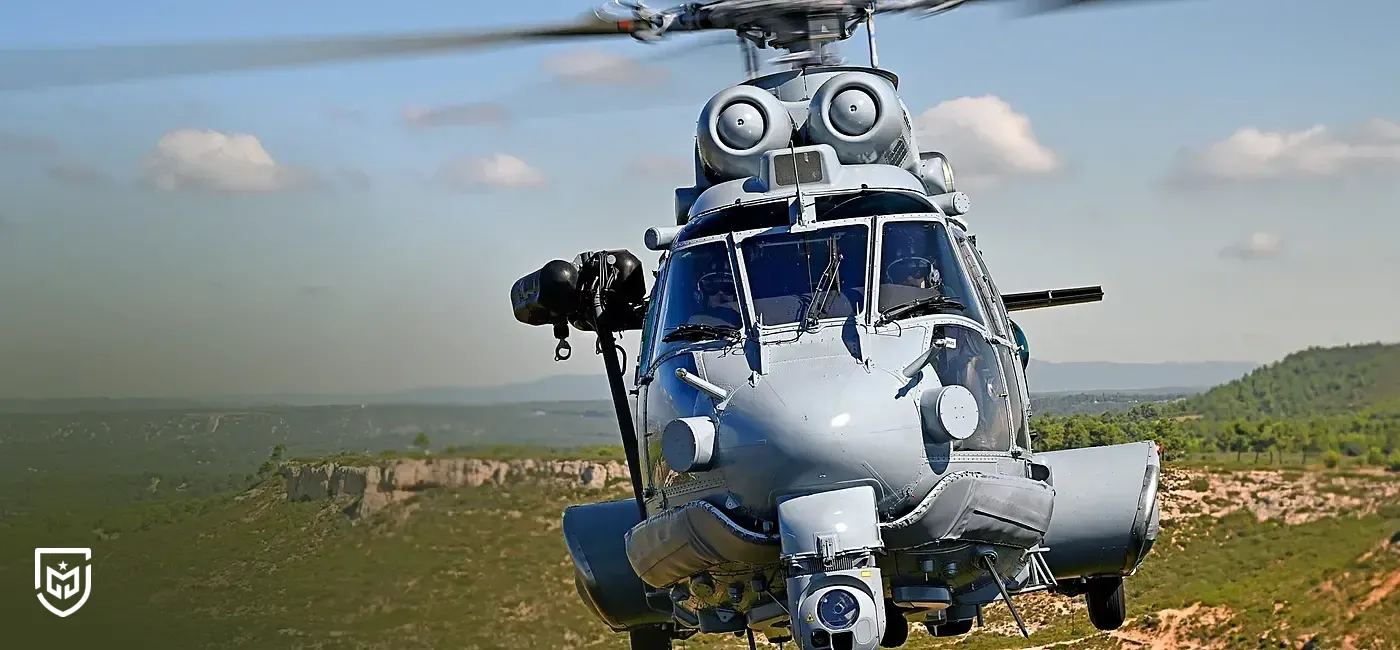
Fighter jets are among the main elements of air superiority thanks to their advanced radar systems, electronic warfare capabilities, high payload capacity and rapid response power. In particular, fifth-generation fighter aircraft offer significant advantages in modern air combat through low-observable technologies, advanced sensor architecture and network-centric warfare capabilities. On the other hand, UAVs can provide more flexible and economical solutions in areas where deploying manned aircraft would be risky.
In modern warfare, true effectiveness comes from using UAVs and fighter jets not as rivals, but as complementary assets. While UAVs collect battlefield data, mark targets and operate in high-risk areas, fighter jets can provide high firepower, speed and air superiority as the main striking force of an operation. This approach shows that the future of air power will be shaped by the coordinated use of manned and unmanned systems.
As a result, UAVs may be more effective in low-cost, flexible and long-duration missions, while fighter jets are more decisive in missions that require speed, power, range and air superiority. The strongest approach in today’s defense industry is not to compare these two platforms as direct competitors, but to use UAVs and fighter jets together within an integrated air power architecture.


The cookies used on our website are used to provide you with a better user experience and to improve our website. You can manage your cookie preferences from the options below.


 Süheyla Yıldız