BREAKING NEWS
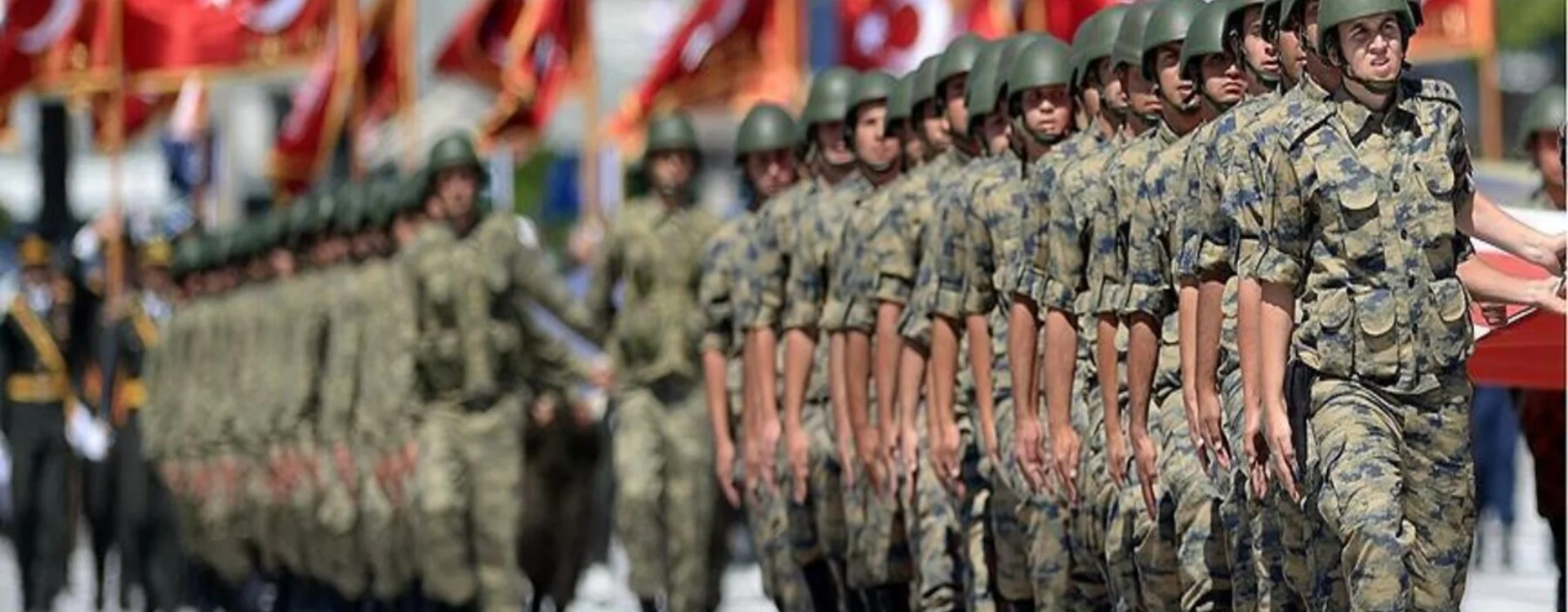
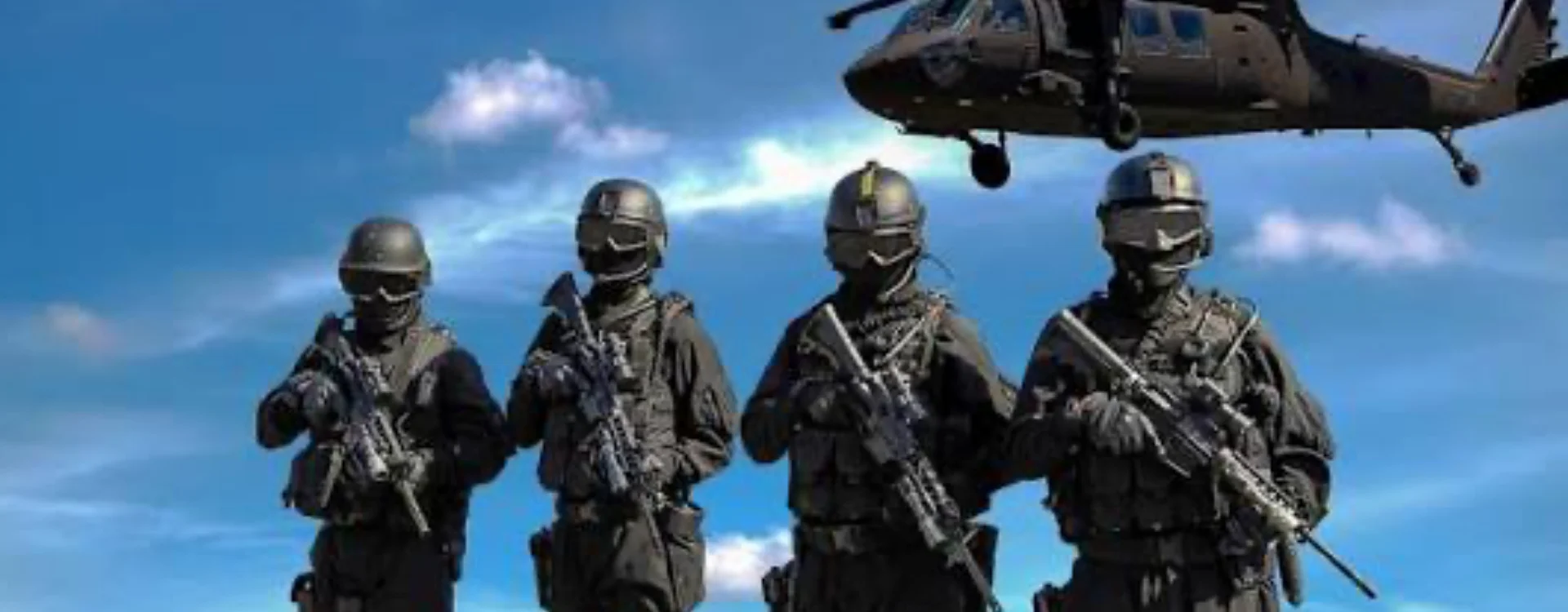
Military power refers to the overall capacity a country has to ensure its security, strengthen deterrence and protect its national interests through personnel, technology, logistics, training, defense industry and strategic planning. Today, military power is not measured only by the number of soldiers. Advanced technology, artificial intelligence, cybersecurity, electronic warfare, air defense systems, intelligence and command and control infrastructures are also among the most important components of modern military strength.
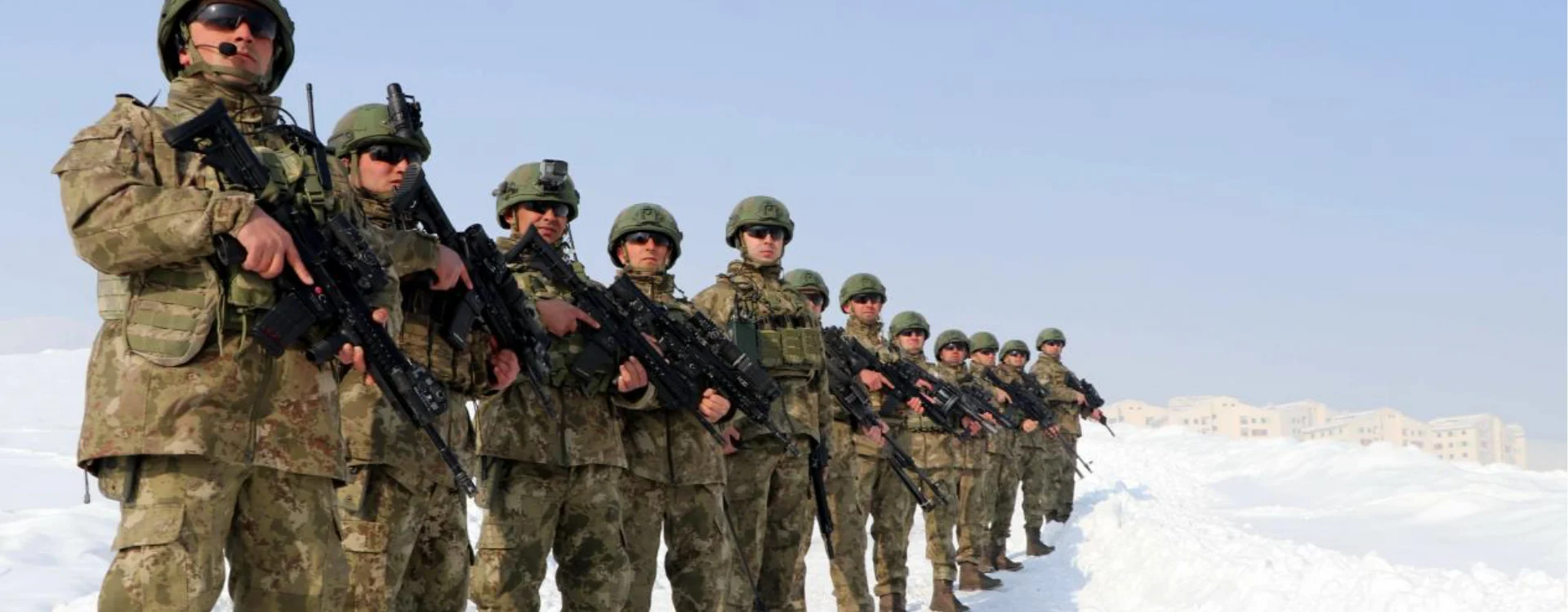
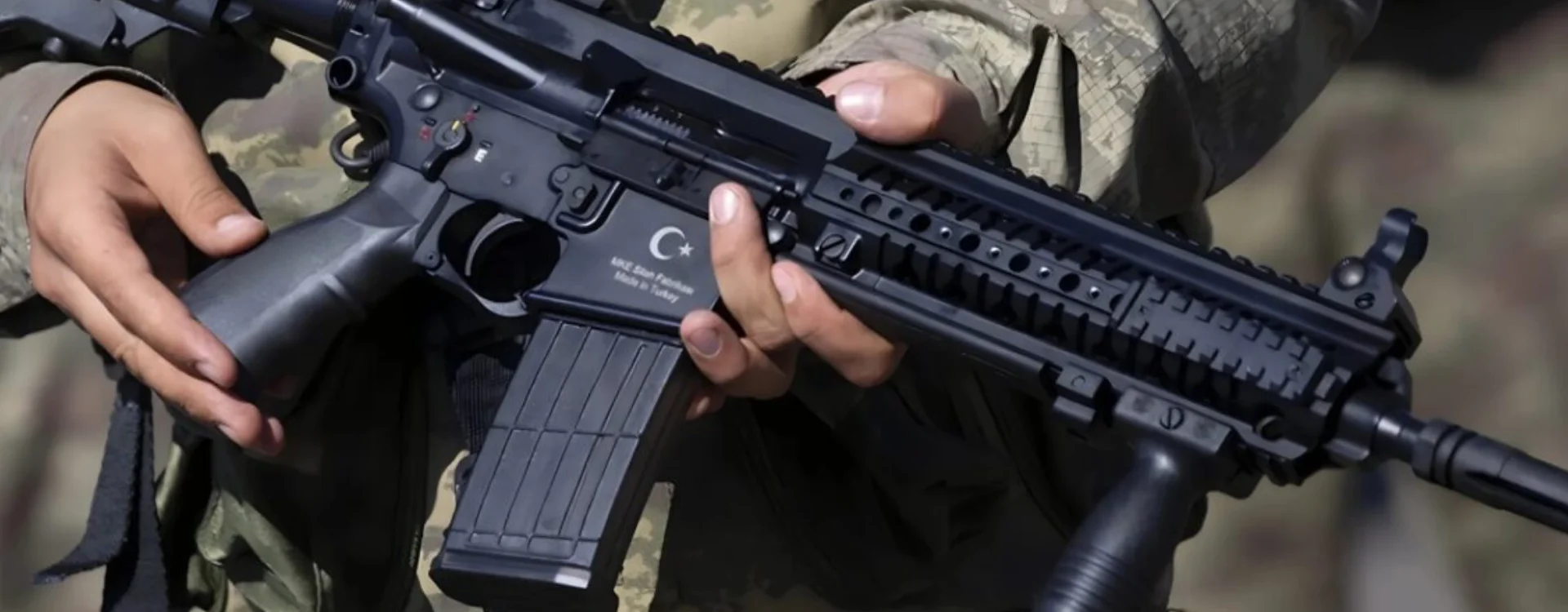
One of the main elements of military power is human resources. Well-trained personnel, strong leadership and effective organization form the foundation of defense capacity. No matter how advanced technologies become, qualified human resources are essential for planning, managing and using these systems effectively.
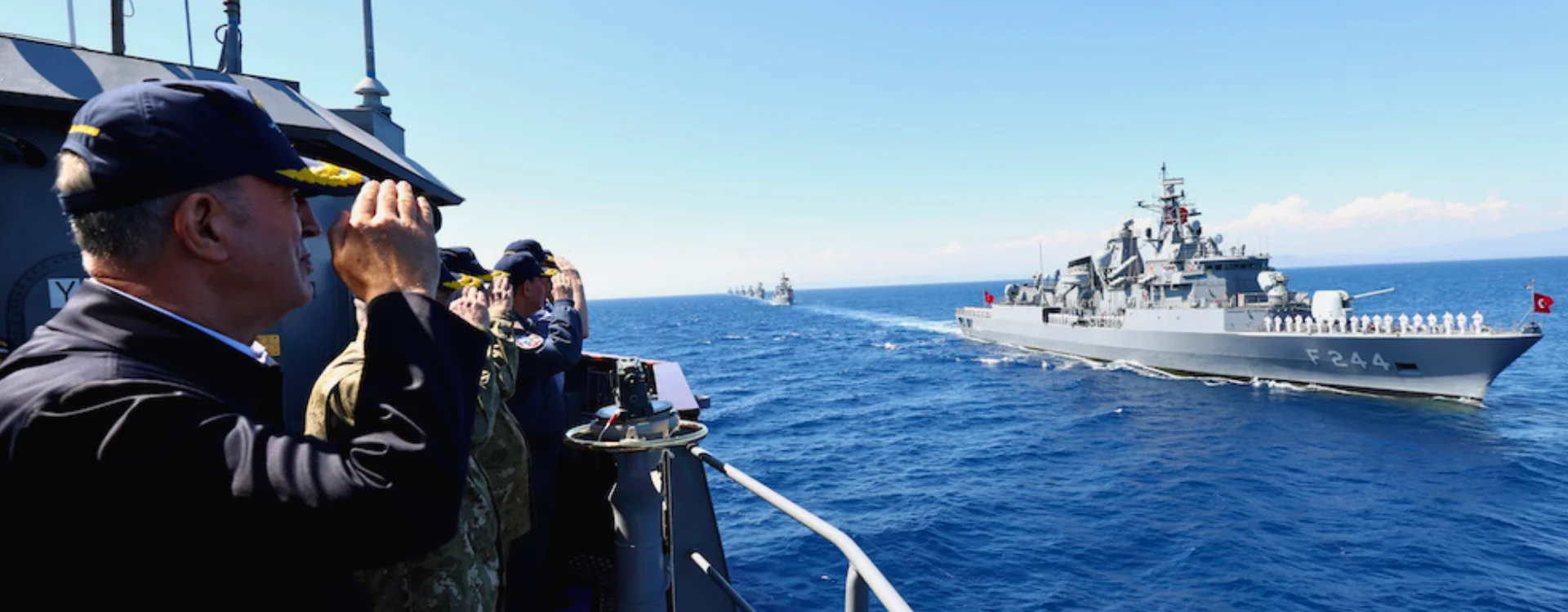
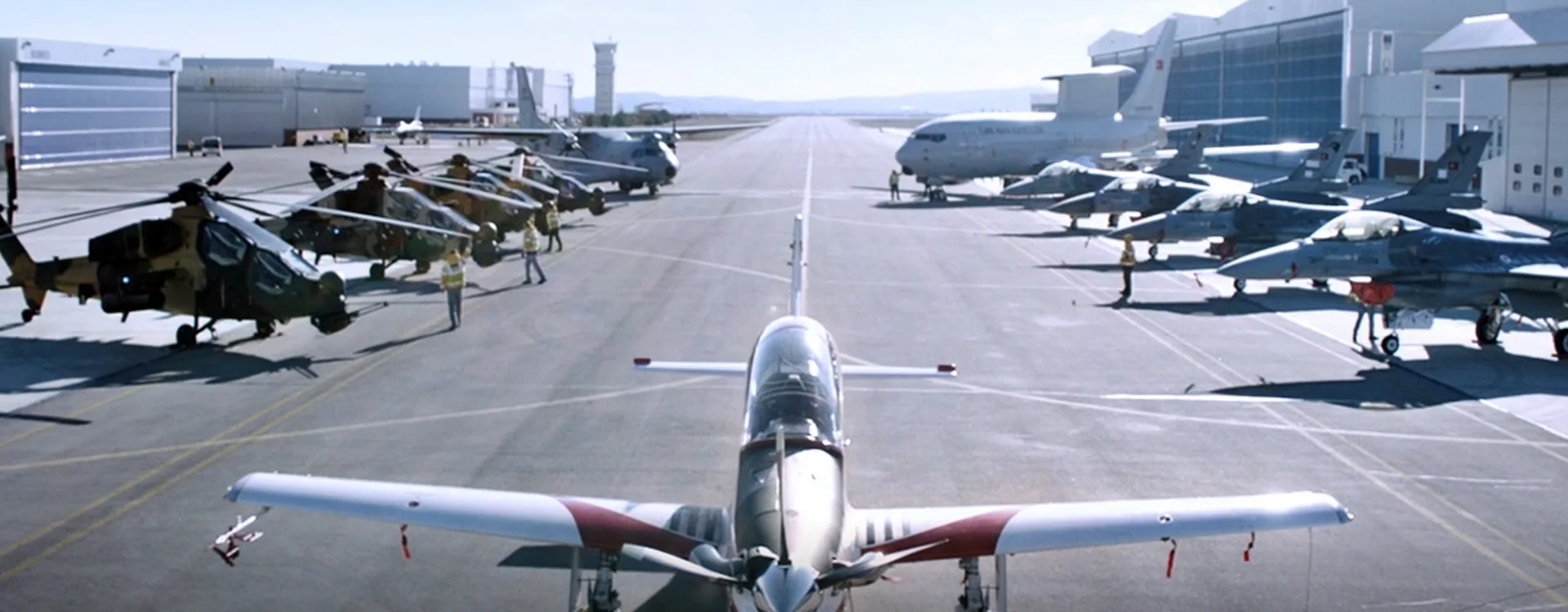
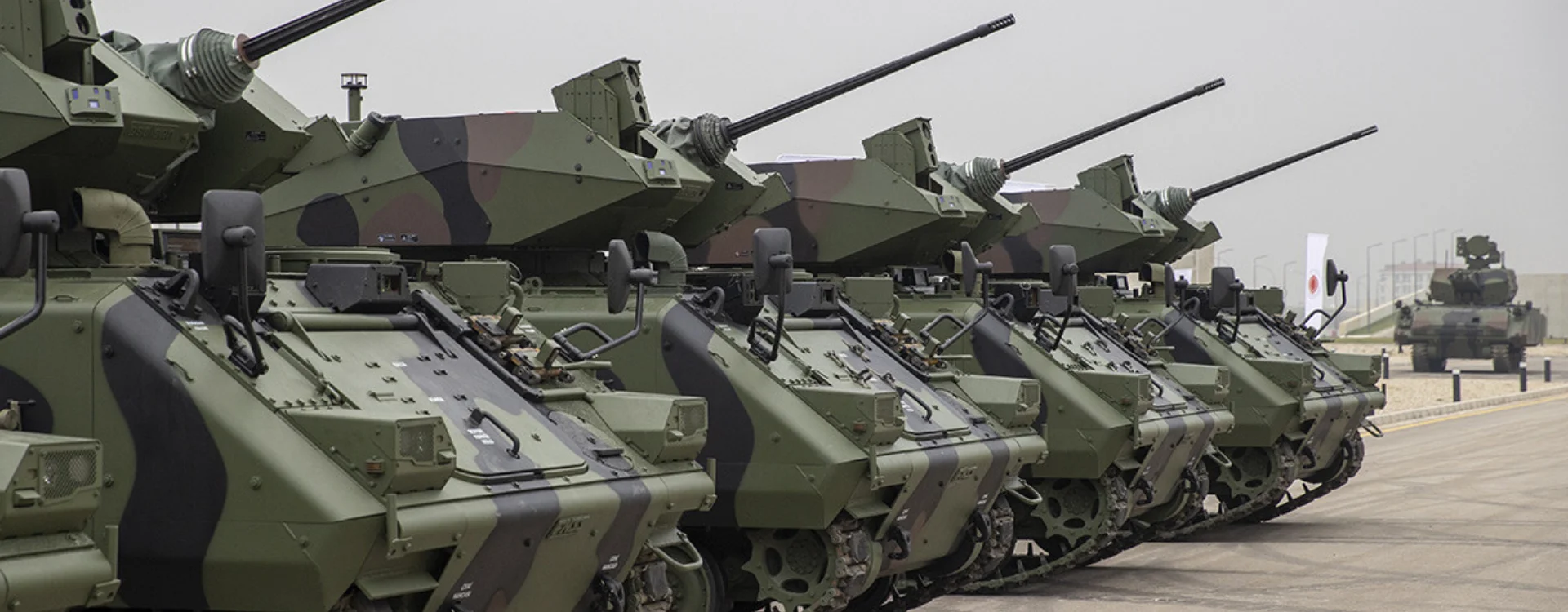
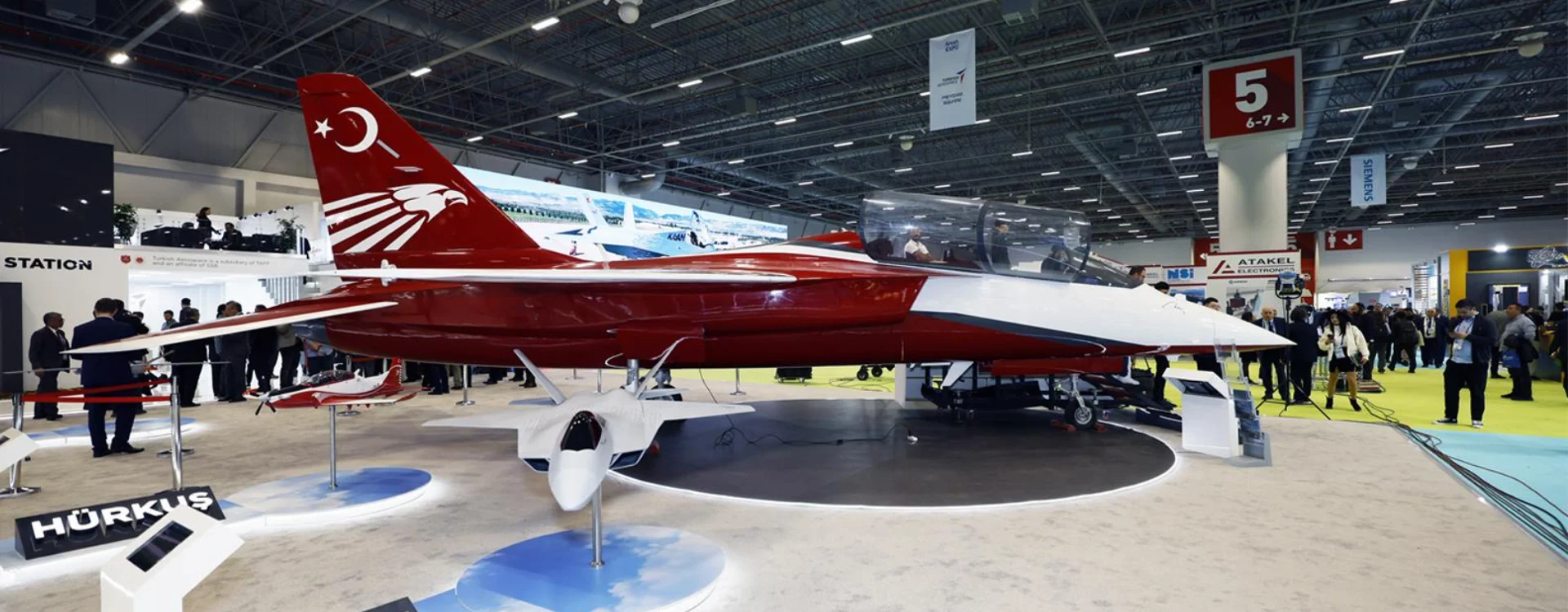
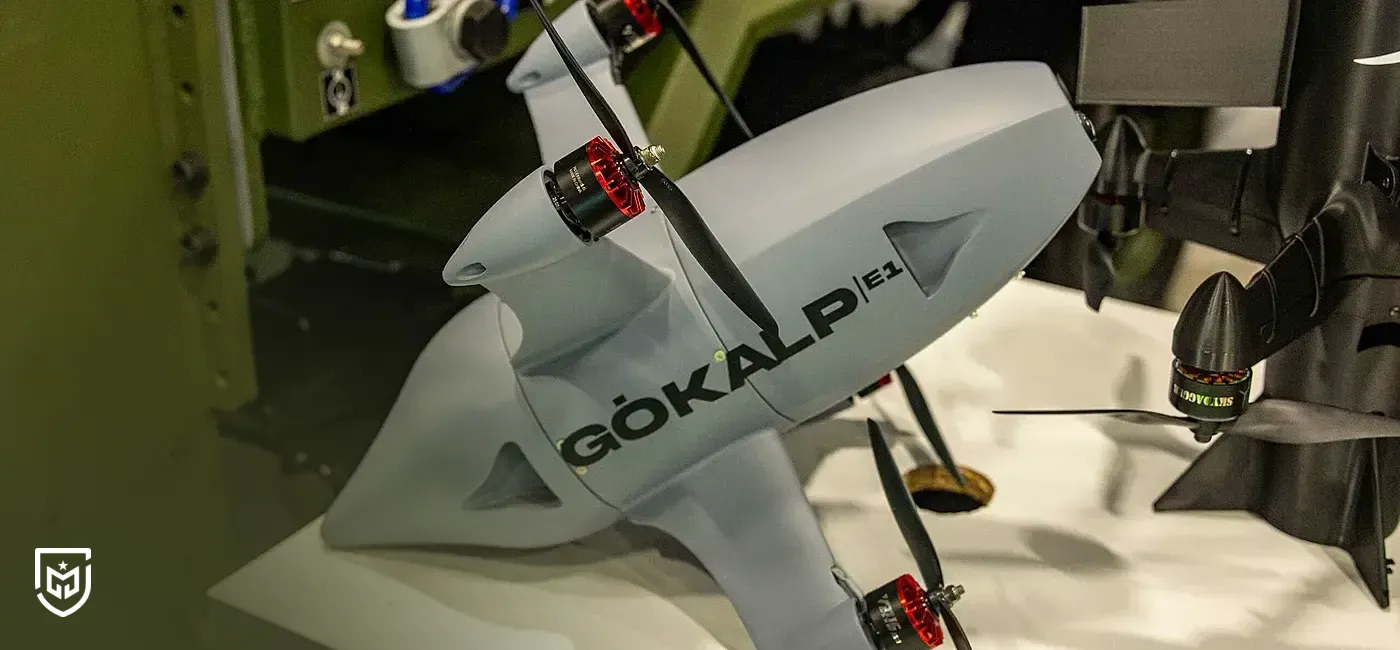
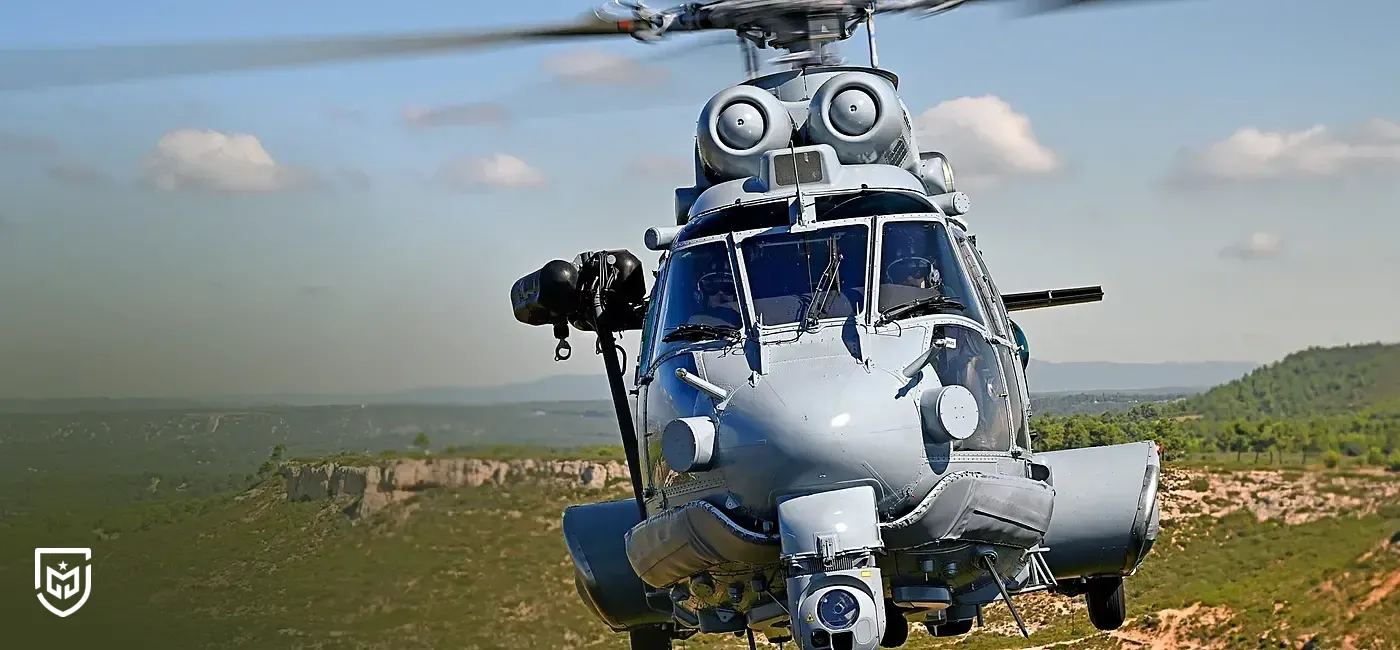
Another important element is the defense industry. Domestic production capacity, research and development activities, advanced engineering solutions and high-tech manufacturing play a strategic role in meeting national defense needs. Air defense systems, radar technologies, unmanned aerial vehicles, naval platforms, land vehicles and advanced communication systems are among the key products of the modern defense industry.
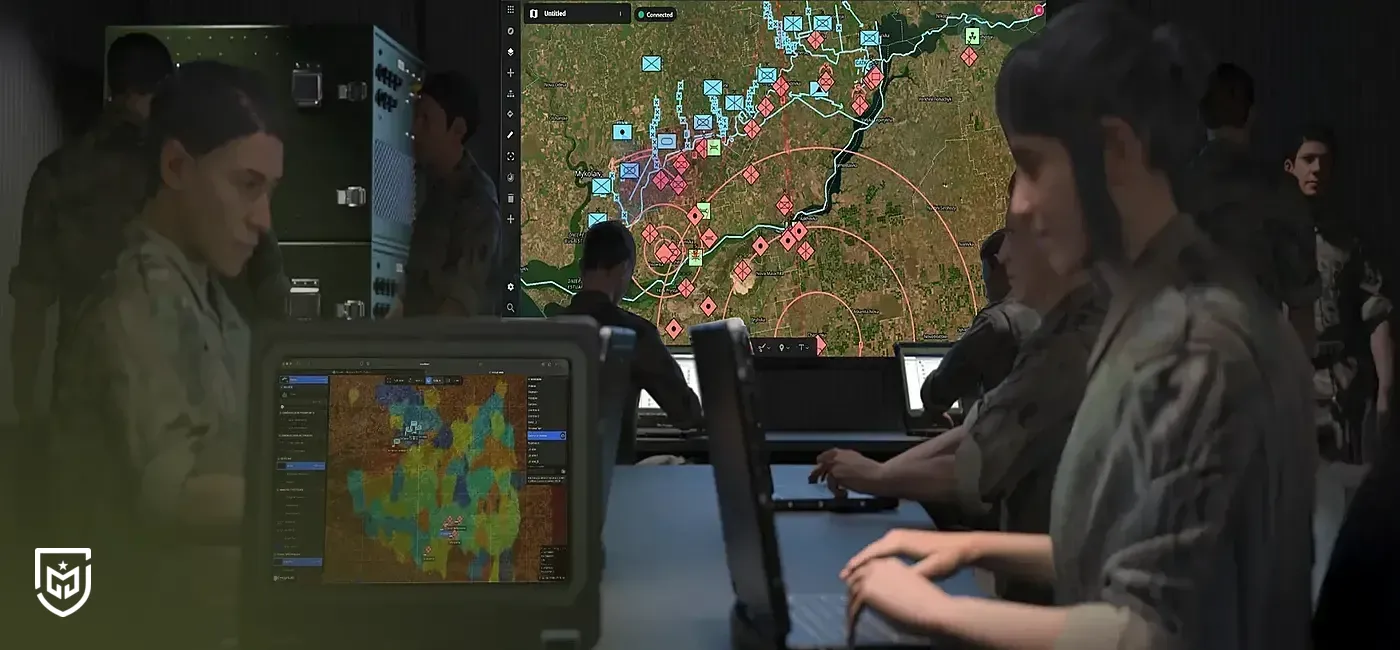
Technology and digital transformation have become indispensable parts of military power. AI-supported analysis systems, big data processing technologies, sensor fusion, satellite systems and autonomous platforms accelerate decision-making processes while improving operational awareness. Advanced software and secure communication infrastructures also support the joint operation of different defense systems.
Cybersecurity is one of the most critical areas of modern military power. Protecting communication networks, securing critical data and increasing the resilience of digital infrastructure are highly important for the uninterrupted operation of defense systems. For this reason, cyber defense solutions are among the core elements of today’s military planning.
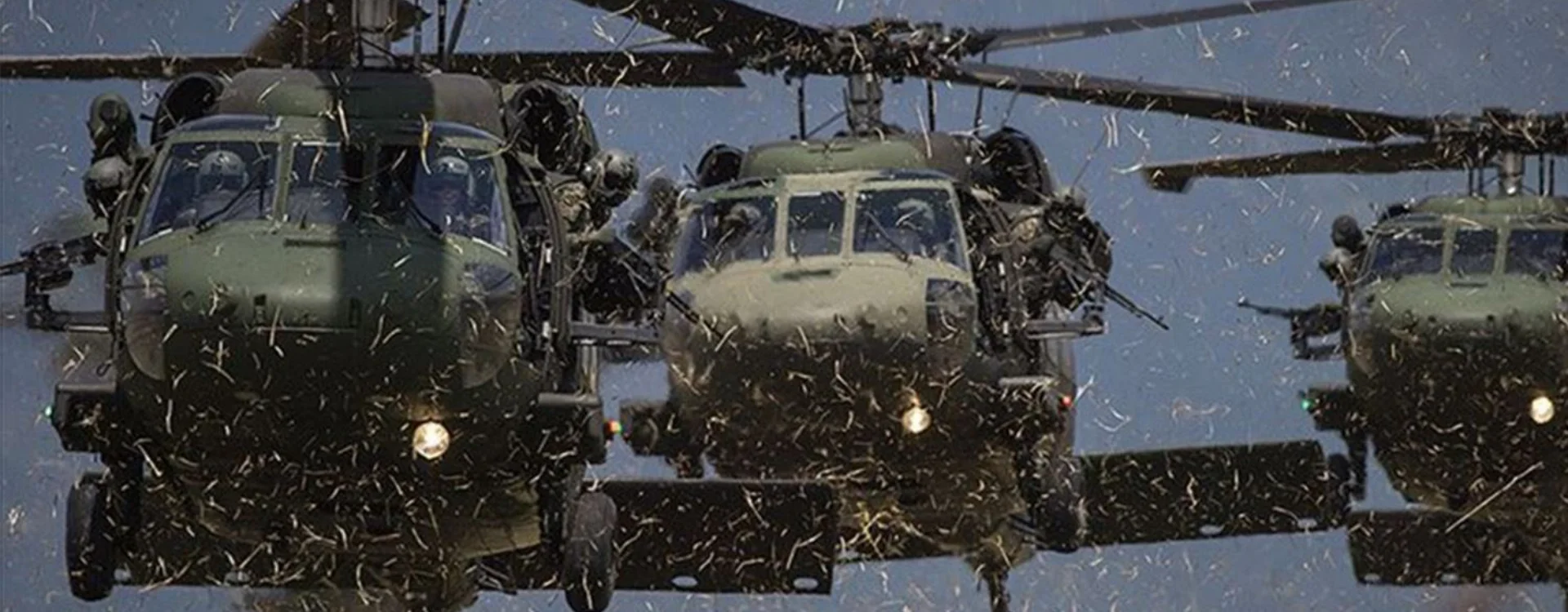
Another key element is logistics and support infrastructure. Fuel, maintenance, transportation, medical services, ammunition management and supply chain activities ensure the sustainability of defense systems. Without a strong logistics structure, even the most advanced technologies cannot be used effectively for long periods.
Intelligence, reconnaissance and surveillance systems are also important parts of military power. Radar systems, satellite technologies, electronic sensors and various data collection tools improve situational awareness and provide decision-makers with more comprehensive information. This information contributes to more effective strategic planning.
As a result, military power is not a structure made up only of armed forces. It is a comprehensive security system formed by the combination of human resources, defense industry, technology, artificial intelligence, cybersecurity, electronic warfare, logistics, intelligence and strategic planning. Today, a strong military structure depends on technological capacity as well as the ability of all these elements to work together in harmony.


The cookies used on our website are used to provide you with a better user experience and to improve our website. You can manage your cookie preferences from the options below.





 Süheyla Yıldız