BREAKING NEWS
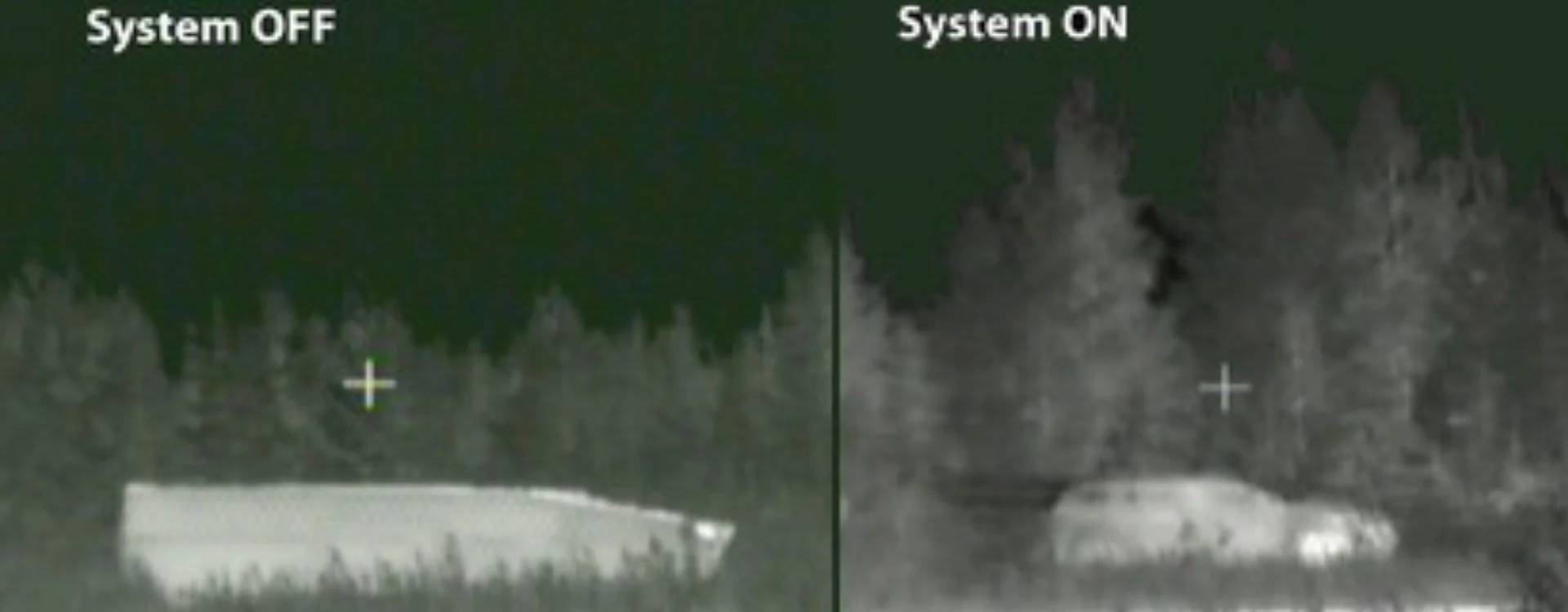
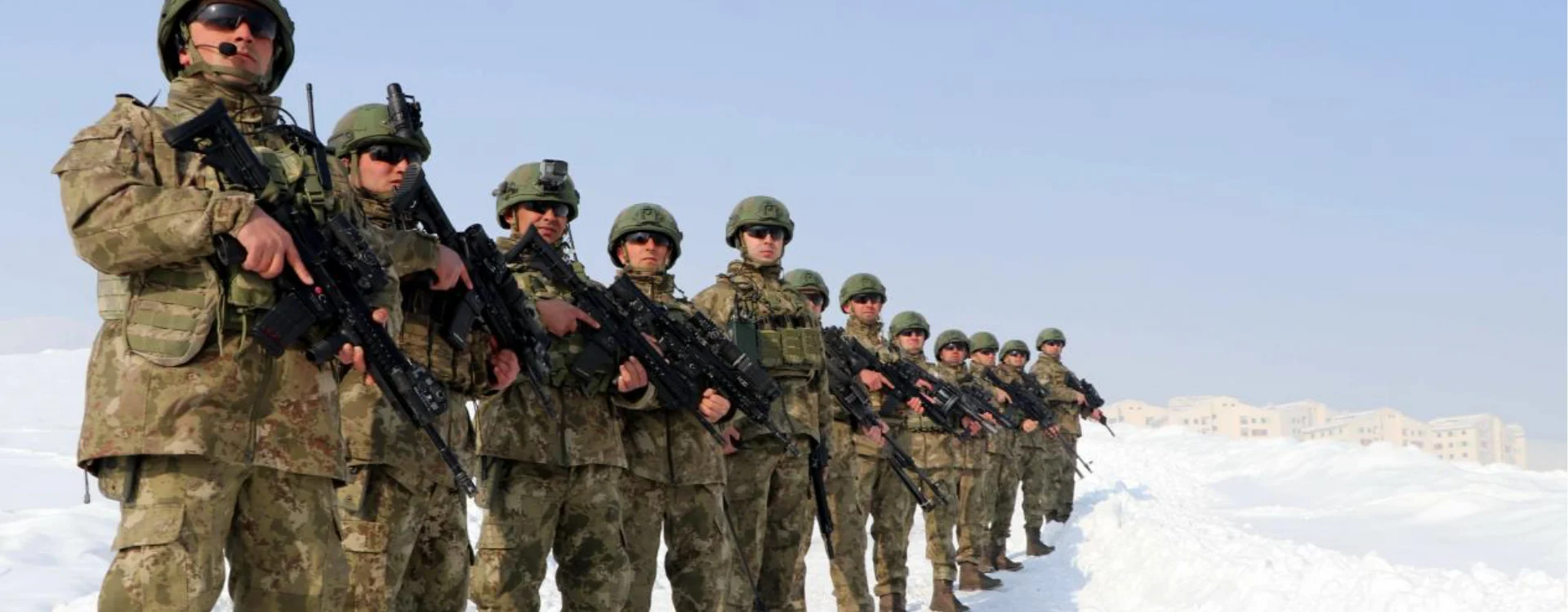
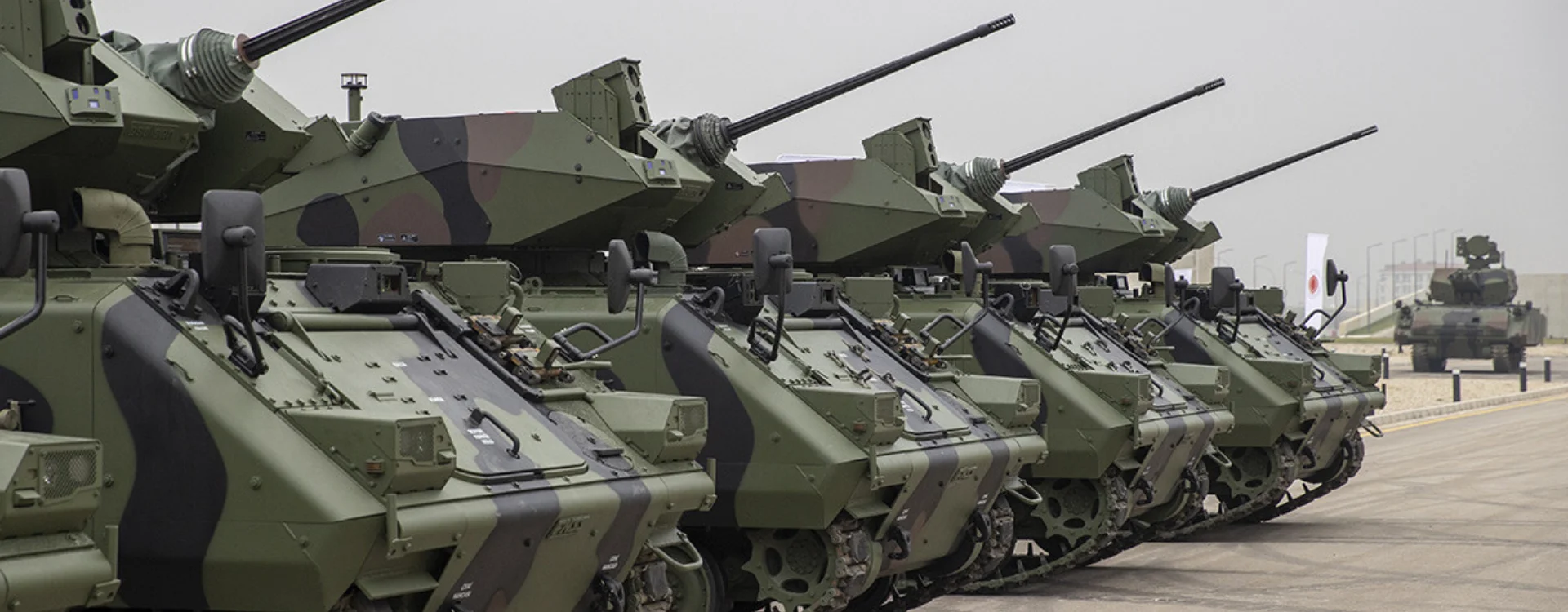
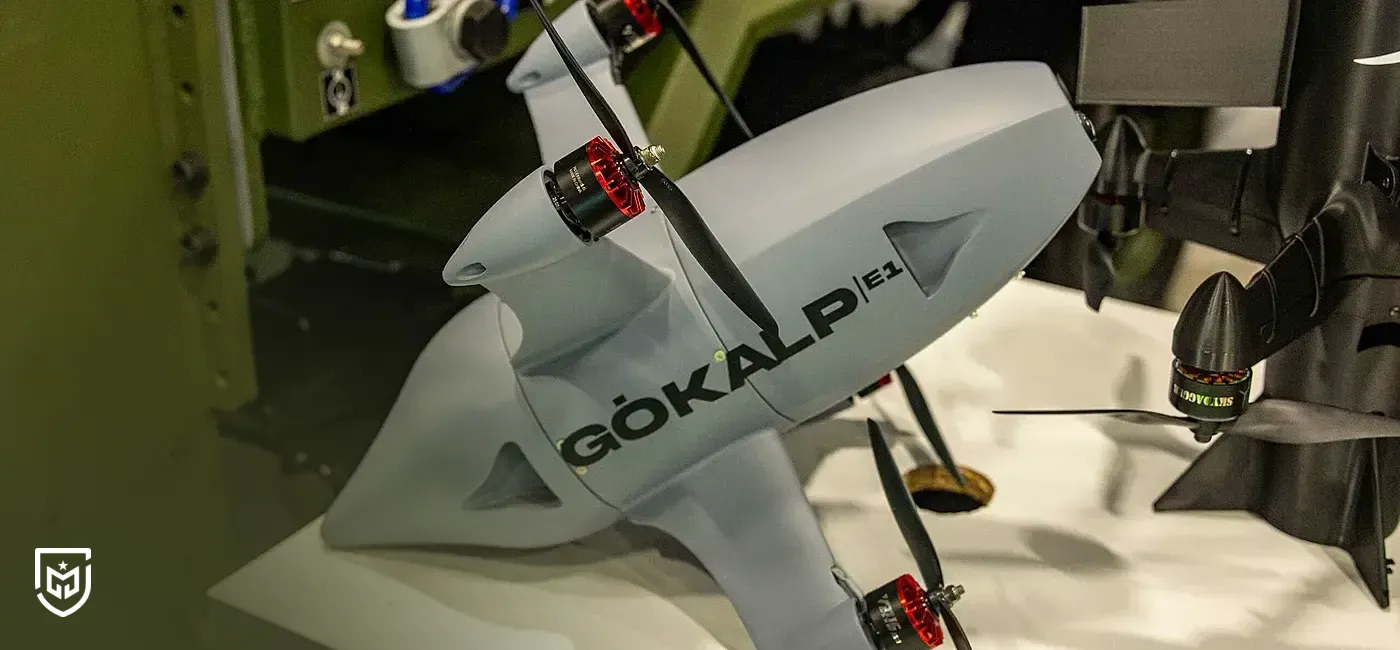
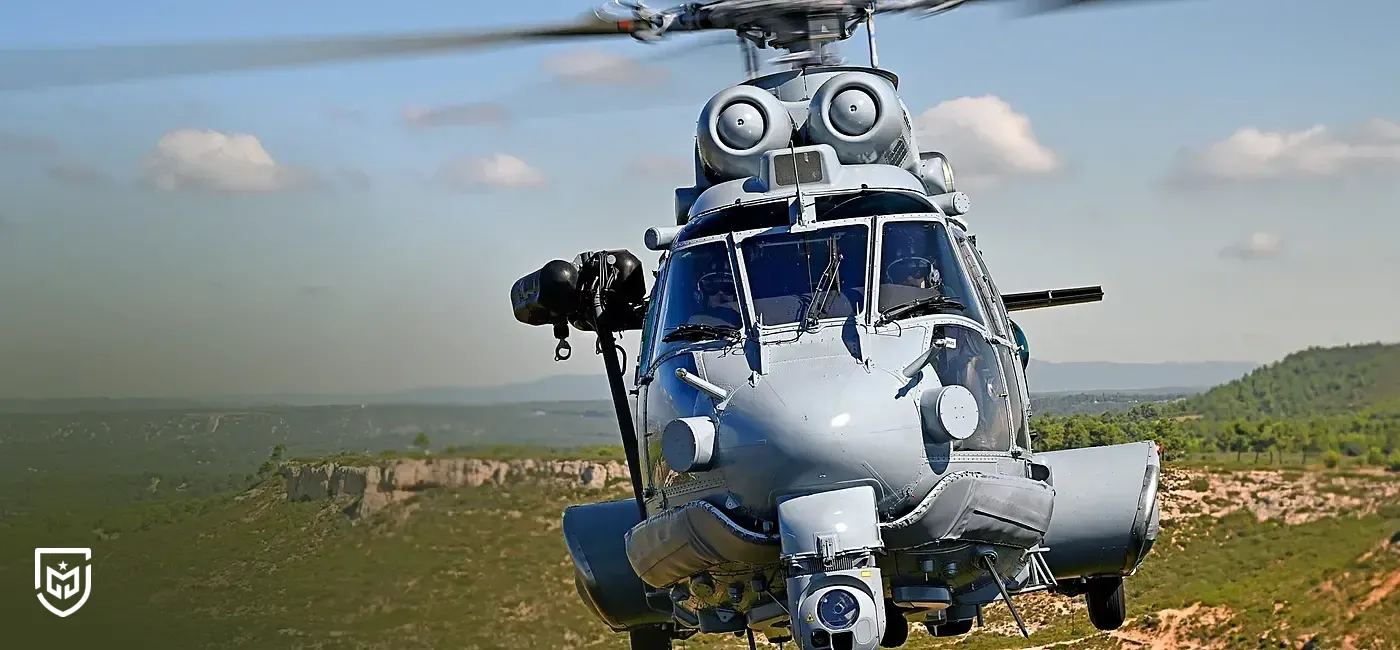
Thermal signature reduction techniques refer to the methods developed to minimize the risk of heat-based detection, particularly in military operations and high-security environments. With the advancement of thermal cameras and infrared detection systems, identifying a target even in complete darkness has become increasingly possible. For this reason, thermal signature reduction has become a critical component of modern defense concepts. Not only military vehicles but also unmanned aerial vehicles, armored platforms, and even personnel equipment are now designed with these technologies to reduce detectability.
From a technical perspective, thermal signature reduction involves a combination of heat dissipation control, thermal insulation, advanced surface coatings, and active cooling systems. Special infrared-suppressing coatings are engineered to allow surfaces to mimic ambient temperature levels, thereby reducing contrast in infrared imaging. In motorized platforms, cooling and diffusing exhaust gases play a vital role in lowering thermal visibility. In stealth-designed systems, engine placement, airflow management, and composite material usage are carefully integrated to reduce overall heat emissions. As Radar and Air Defense System technologies continue to evolve, managing infrared visibility has become just as important as minimizing radar cross-section. Today, low observability doctrine extends beyond radar evasion and firmly includes thermal signature control as a fundamental principle of modern warfare strategy.


The cookies used on our website are used to provide you with a better user experience and to improve our website. You can manage your cookie preferences from the options below.




 Süheyla Yıldız