BREAKING NEWS
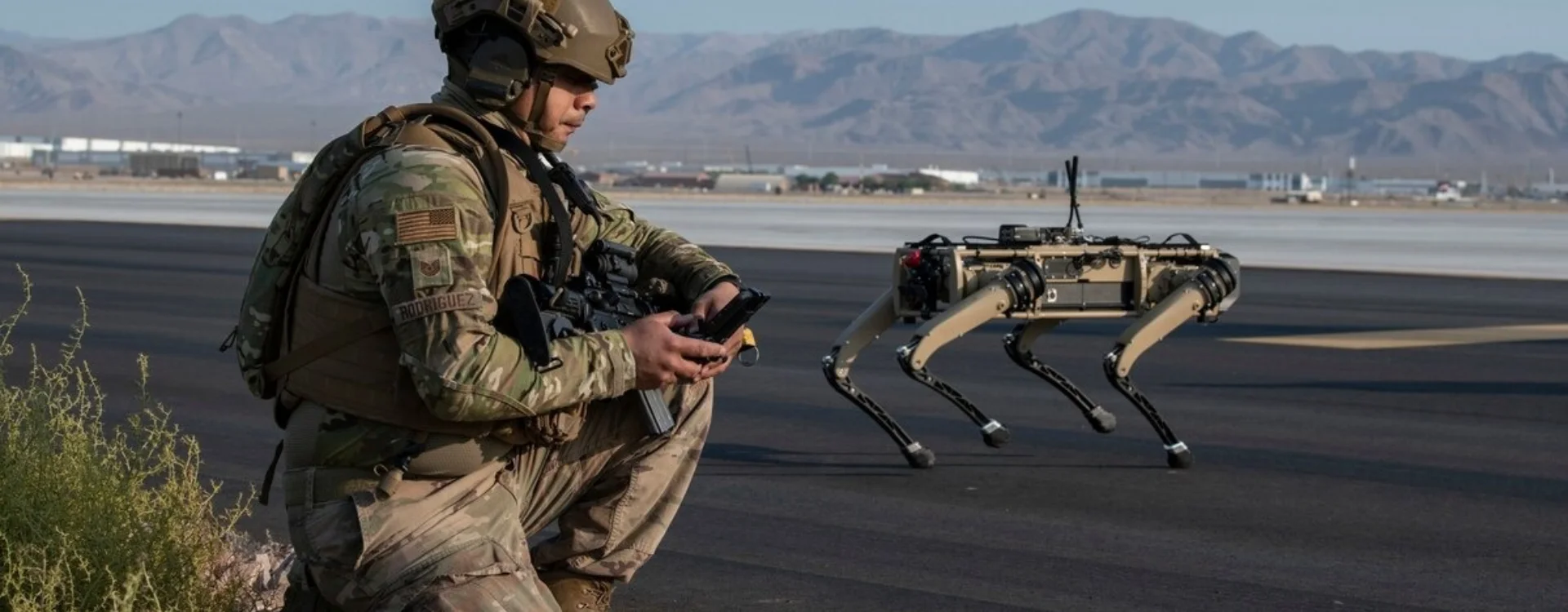
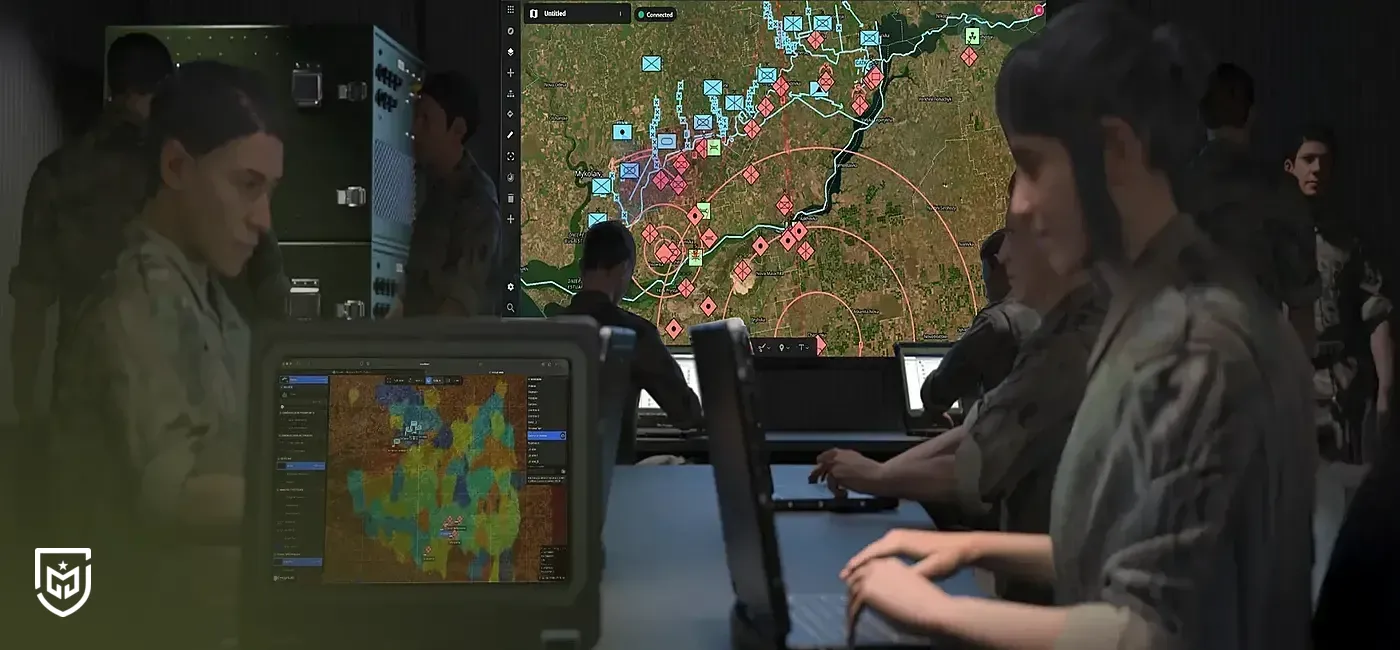
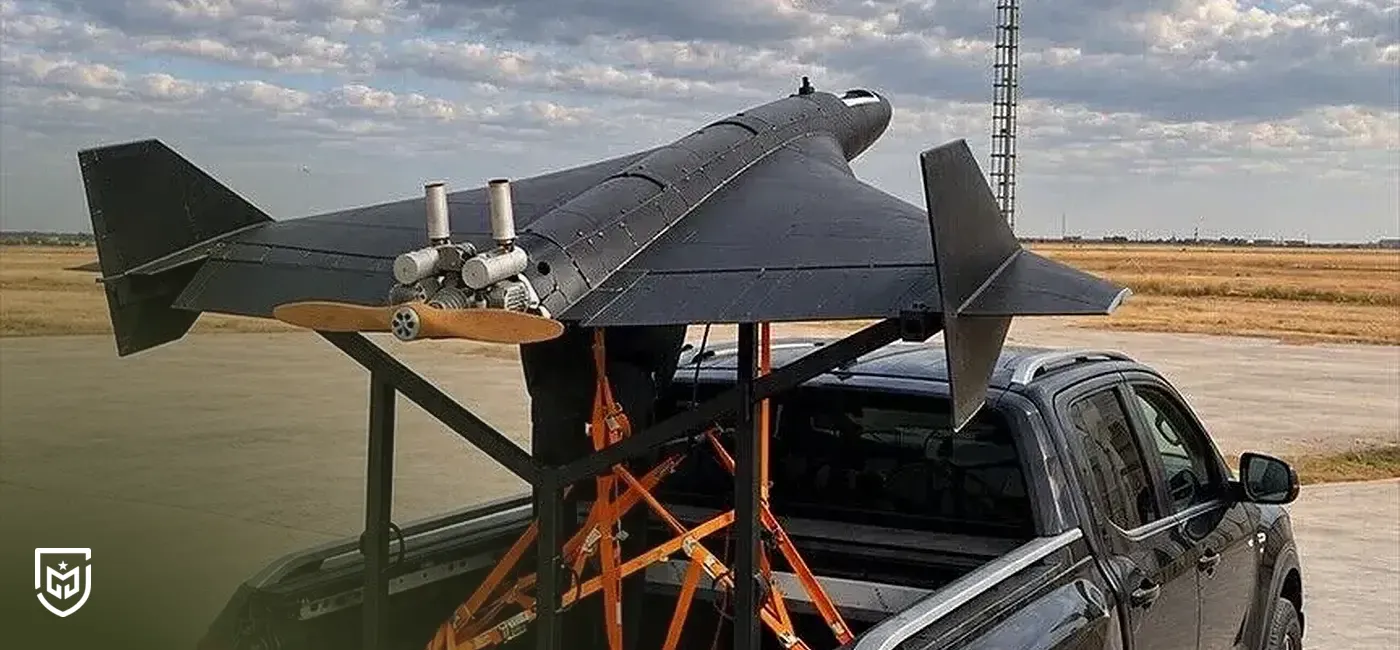
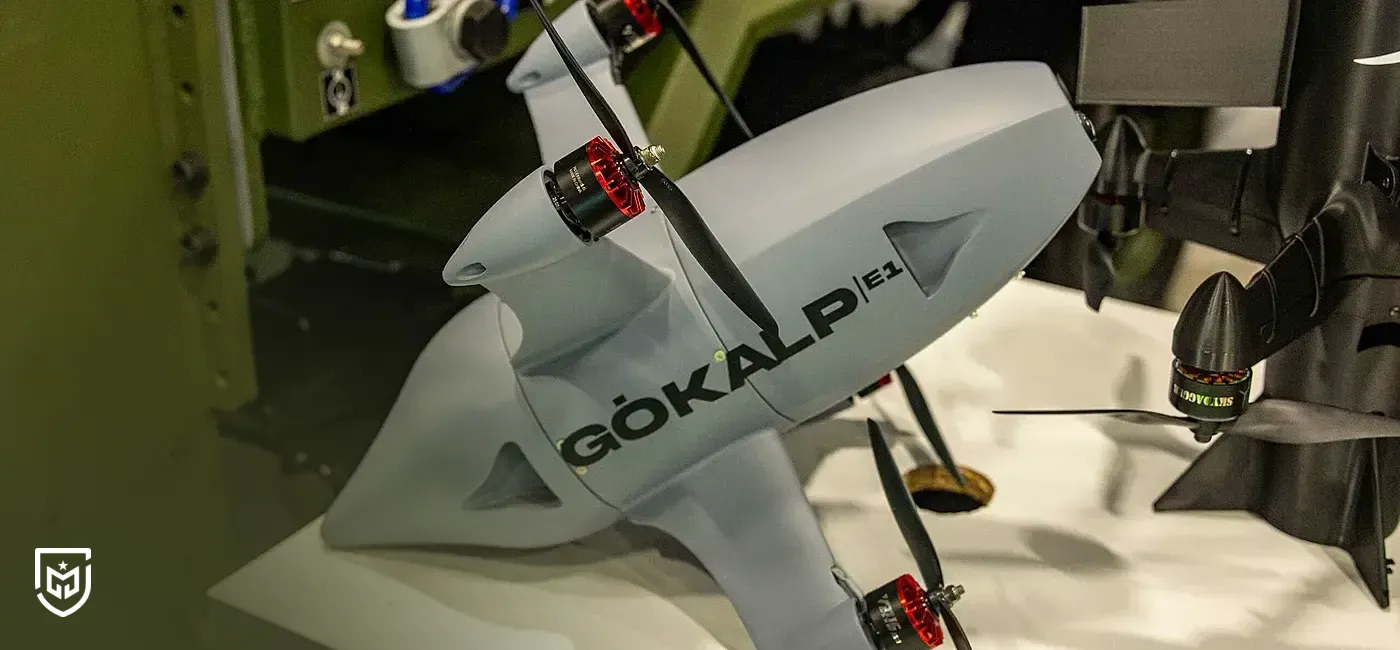
With the development of autonomous warfare technologies, the human role has become one of the most important discussion areas in modern defense strategies. Today, AI-supported unmanned aerial vehicles, autonomous ground systems, smart missile technologies, and digital command-control infrastructures provide faster analysis, automated target tracking, and high operational efficiency on the battlefield. However, despite all these technological advancements, strategic decision-making, ethical evaluation, crisis management, and human judgment remain at the center of warfare. Complex situations on the battlefield are managed not only through data analysis but also through experience, intuition, and human assessment skills.
In autonomous warfare systems, the human role is especially important through the “human-in-the-loop” approach. In this model, AI-supported systems actively support data collection, target analysis, reconnaissance, and operational planning processes, while critical attack decisions and strategic directions remain under human control. AI-supported decision systems, sensor networks, autonomous platforms, and real-time data analysis increase operational speed, while human operators ensure ethical boundaries and legal responsibility are maintained. Due to cybersecurity threats, data manipulation, and algorithmic error risks, human oversight is considered an indispensable element of modern warfare technologies. As autonomous systems are expected to become more widespread in the future, human strategic thinking, ethical responsibility, and decision-making power will continue to be the most critical factors on the battlefield.


The cookies used on our website are used to provide you with a better user experience and to improve our website. You can manage your cookie preferences from the options below.



 Süheyla Yıldız